
Thème d'affichage
Langue / Language
 Passer en Français
Join the FBKC
Create your free account and access all our services: pedigree requests, ratings, health tracking and more!
100% free & secure
A question about our services? Contact us directly!
Write on WhatsApp
Passer en Français
Create your free account and access all our services: pedigree requests, ratings, health tracking and more!
100% free & secure
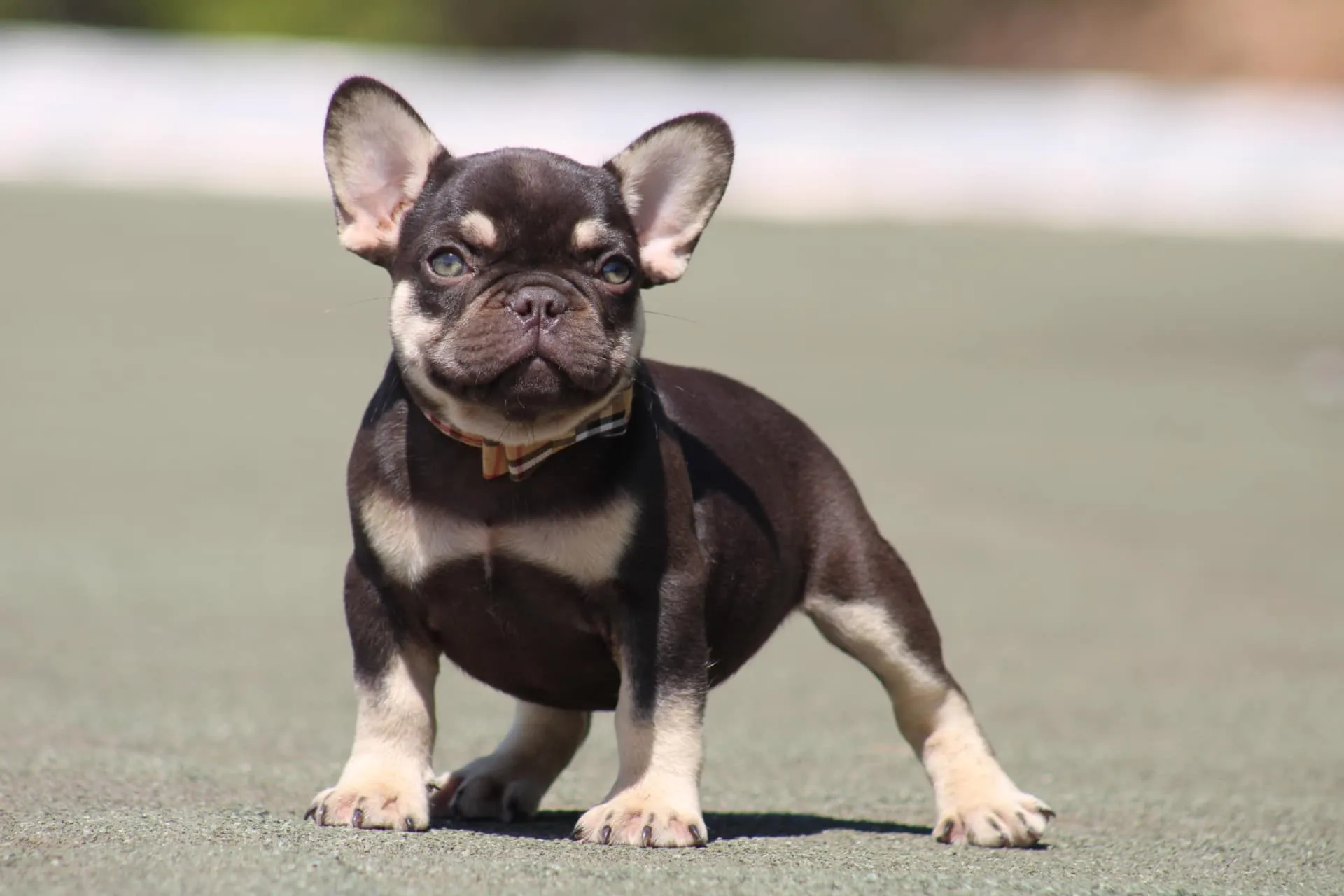
All dogs need a clear understanding of your role as leader within the home. For this, it is essential that all family members maintain consistency in establishing rules and boundaries, while fostering mutual understanding.
The owner must establish both physical and psychological boundaries for their pet. This includes designating a specific place for their basket, sleeping bed or any other space reserved for them. It is extremely important to give them a place in your home — a clear framework will allow them to acquire the reference points essential to their well-being.
When it comes to feeding your dog, it is crucial to bear a few fundamental principles in mind to ensure their health and well-being. First and foremost, make sure to choose a quality diet suited to your companion's age, size and specific needs. Dogs of different breeds and ages have different nutritional requirements, so consult your vet for precise recommendations.
Establish a regular feeding schedule for your dog. Meals at set times help maintain a healthy eating rhythm and can also make weight management easier. Avoid leaving food out permanently, as this can encourage excessive snacking.
As for portions, use the recommendations on the food packaging as a starting point, but adjust them according to your dog's physical activity and body condition. Monitor their weight and adapt portions accordingly to avoid being underweight or overweight.
Water is essential for their body to function properly, so make sure they always have access to fresh, clean water. Change the water in their bowl regularly to ensure freshness.
Finally, be alert to any food allergies or intolerances your dog may have. If you notice signs of sensitivity to certain foods, consult a vet or a specialist pet shop for advice on the best dietary approach.
In summary, a balanced diet, regular meals, appropriate portion management and attention to individual needs are the keys to maintaining their health and vitality throughout their life.
Your dog's health and well-being should be a priority for you. To ensure a happy and healthy life for your pet, here are some fundamental principles to keep in mind.
First of all, regular visits to the vet are essential to monitor your dog's health. Vaccinations, antiparasitic treatments and routine check-ups help prevent illness and detect health problems early.
Physical exercise is essential for maintaining your dog's physical fitness and stimulating their mind. Make sure they get activities appropriate to their energy level and breed.
Grooming and hygiene are also important. Brush their coat regularly, clean their ears and teeth, and keep their nails at the right length — either yourself or by asking your vet.
Finally, give them plenty of love and attention. A loving relationship with your dog promotes their emotional well-being. Listen carefully to their needs and signs of distress, and respond appropriately.
By following these basic principles of canine health, you will help ensure a long and happy life for your loyal four-legged friend.
Training a dog is an essential process for ensuring harmonious cohabitation between the animal and their family. There are several fundamental principles to follow for effective dog training.
First and foremost, consistency is crucial. All family members must be on the same page regarding the established rules. Dogs need clear reference points to understand what is expected of them.
Patience is a virtue when training a dog. Unwanted behaviours do not disappear overnight, and it takes time to correct and reinforce good ones.
Positive reinforcement is an effective way to encourage desired behaviours. When a dog does something right, it is important to reward them with praise, petting or treats. This strengthens their positive association with the desired behaviour.
Socialisation is also very important. Puppies and dogs should be exposed to various situations, people and animals from an early age to make them sociable and well-balanced.
Finally, it is particularly important to be patient and loving with your dog. Training must be based on mutual respect and an understanding of the animal's needs. By following these basic principles, you can build a strong and positive relationship with your canine companion.
Physical exercise plays a crucial role in a dog's life — it contributes to their physical and mental health. The rules surrounding exercise vary depending on the breed, age and energy level of your dog, but some general guidelines apply to all.
First, it is essential to understand your dog's specific exercise needs. Active breeds require more activity than calmer breeds. Active play sessions, regular walks and even the opportunity to run safely in a fenced area are generally necessary to keep a dog happy and fit.
Consistency from the owner is also a foundation of their pet's well-being. Establish a regular exercise schedule for your dog, taking into account their daily needs as well as your work schedule or other commitments. Walks are an excellent way to mentally and physically stimulate your dog, while strengthening the bond between you. Never forget that your dog depends on you for absolutely everything — eating, sleeping, going out, playing, care… you are the main players in their lives!
When exercising outdoors, make sure your dog is on a lead or fully under control, in accordance with the law. This ensures their safety and that of others. You know your dog, but other passers-by do not — this could cause unexpected reactions and accidents. Be responsible: your freedom ends where another's begins.
Finally, adapt the intensity of exercise according to the weather. In hot weather, avoid walks during the hottest hours of the day to prevent overheating. In winter, if your dog is a small breed — such as a Chihuahua — protect them from the cold with an appropriate coat.
By following these basic rules, you can give your dog the exercise they need to be in top form and thrive. Remember that every dog is unique, so adapt exercise to their individual needs to guarantee a healthy and happy life.
Dogs' psychological needs are often overlooked, but they are just as important as their physiological needs. Dogs are social and intelligent animals that require mental stimulation to remain balanced and happy.
One of the fundamental rules for meeting your dog's psychological needs is to provide them with sufficient social interaction. Dogs are social creatures that need human and canine company. Spend quality time with your dog, play with them, walk them and allow them to interact with other dogs.
Regular training can be a great way to stimulate your dog's brain. Learning new behaviours and tricks can keep their mind active and engaged. Make sure to provide positive reinforcement and rewards to encourage the desired behaviour.
Environmental enrichment is also important. Give your dog interactive toys, food puzzles and activities that keep them mentally active. Dogs love to search, dig and solve problems, so offer them appropriate challenges.
Finally, routine and habits are important for dogs. They feel more secure and balanced when they have a daily structure. Establish regular schedules for meals, walks and play, and try to keep them as consistent as possible.
In summary, to meet your dog's psychological needs, provide social interaction, training, environmental enrichment and a well-defined routine. This will help maintain their mental well-being and strengthen your bond with them.