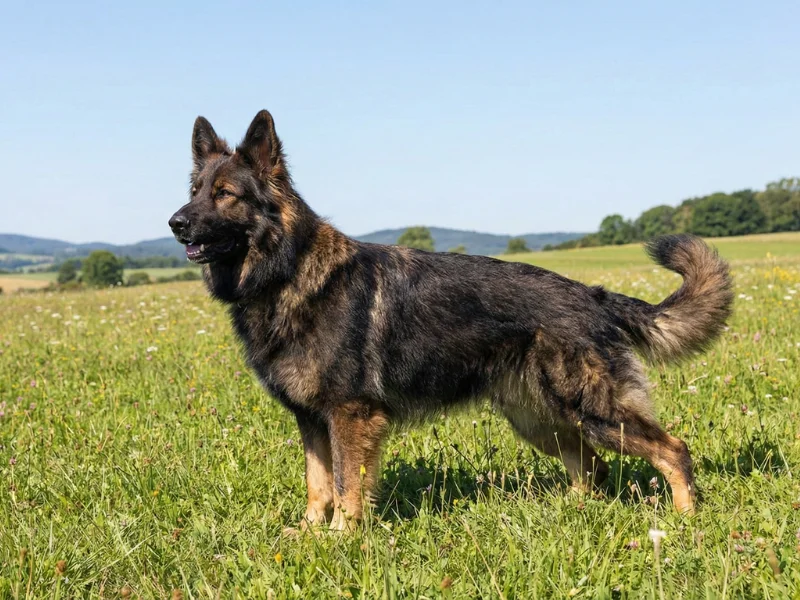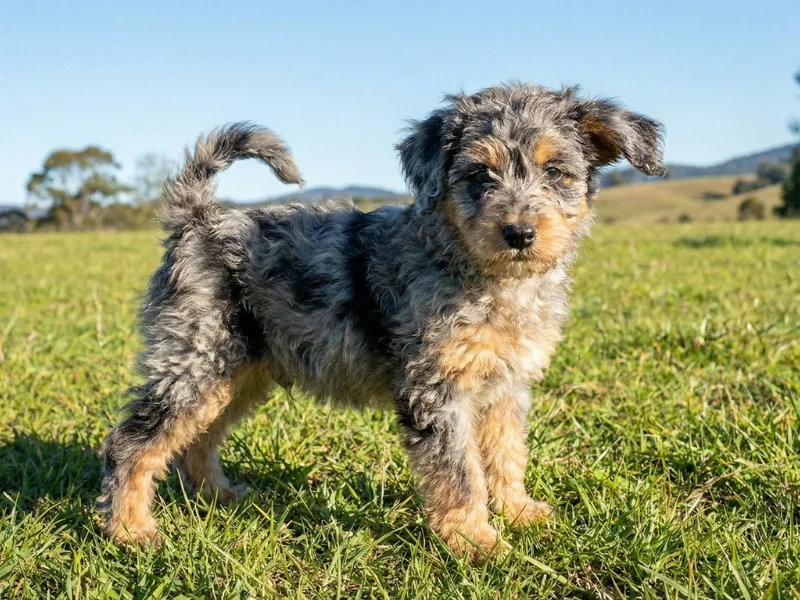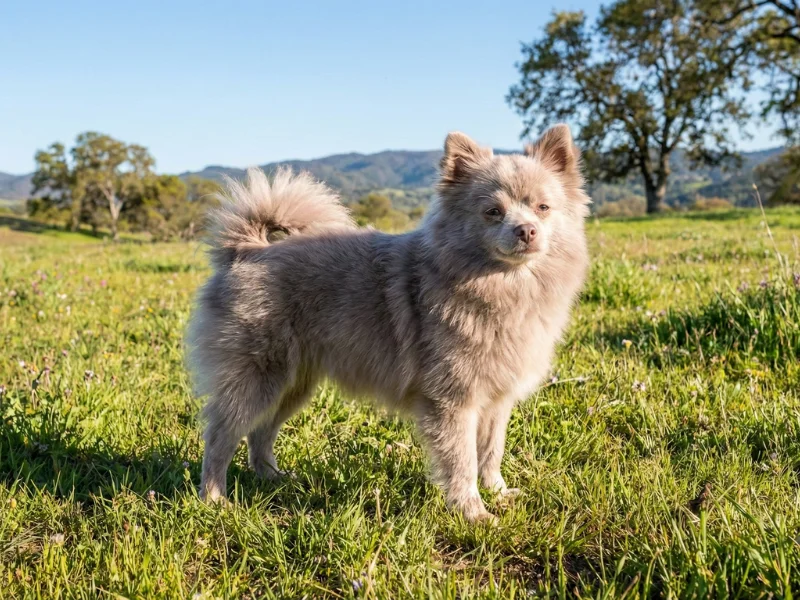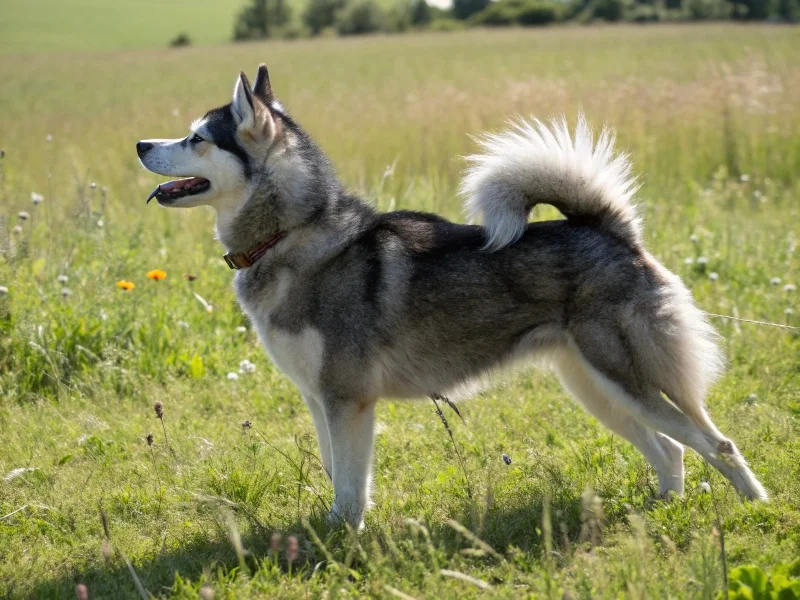

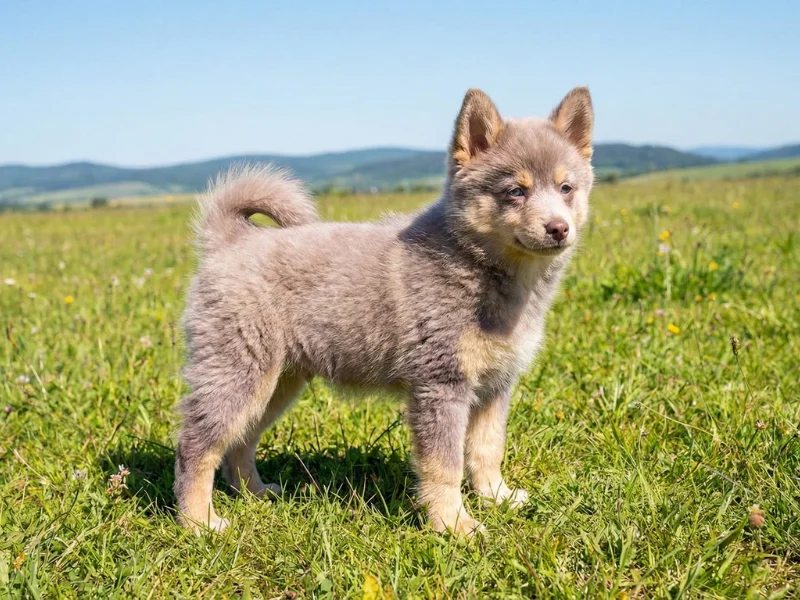
Pomsky
Other names: Pom-Sky, Pomski, Husky-Pom, Designer Dog Husky-Poméranien
Imagine a mini Husky with piercing eyes that fits right in your arms! The Pomsky captivates with its miniature wolf appearance, combining the striking beauty of the Siberian Husky with the compact size of the Pomeranian. This adorable living plush toy typically stands between 25 and 40 cm a... Read more
Are you a breeder or owner of a Pomsky?
Create your free account and request your dog's pedigree in just a few clicks. Use our tools to manage your kennel and select your breeding stock in the best conditions.
Are you a breeder or owner of a Pomsky?
Create your free account, manage your kennel and pedigree requests with our tools.
Create my accountHistory & Origin
T he history of the Pomsky began in a surprising way on the Internet in 2011, when a viral photo presented as a Husky-Pomeranian cross took American social media by storm. Ironically, the image actually showed a Finnish Lapphund puppy named Tequila!
Despite this initial confusion, the enthusiasm was so overwhelming that visionary breeders decided to make this canine dream a reality.
In March 2012, two American breeder friends from Tennessee, Tressa Peterson of Apex Pomskies and Joline Phillips of Arctic Design Pomskies, produced the first official cross.
Through artificial insemination between a female Siberian Husky and a male Pomeranian, the first authentic litter of Pomskies was born. This technique remains the preferred method to avoid complications related to the size difference between the two parent breeds.
Success was immediate and meteoric. In October 2013, a YouTube video titled "Blue eyed Pomskies" propelled this hybrid breed to international popularity.
American breeders then developed rigorous breeding programs, establishing different generations (F1, F2, F3) to stabilize physical and behavioral characteristics.
The goal: to create a dog suited to modern urban lifestyles, combining the Husky's appearance with a companion dog temperament.
• Breed generation breakdown
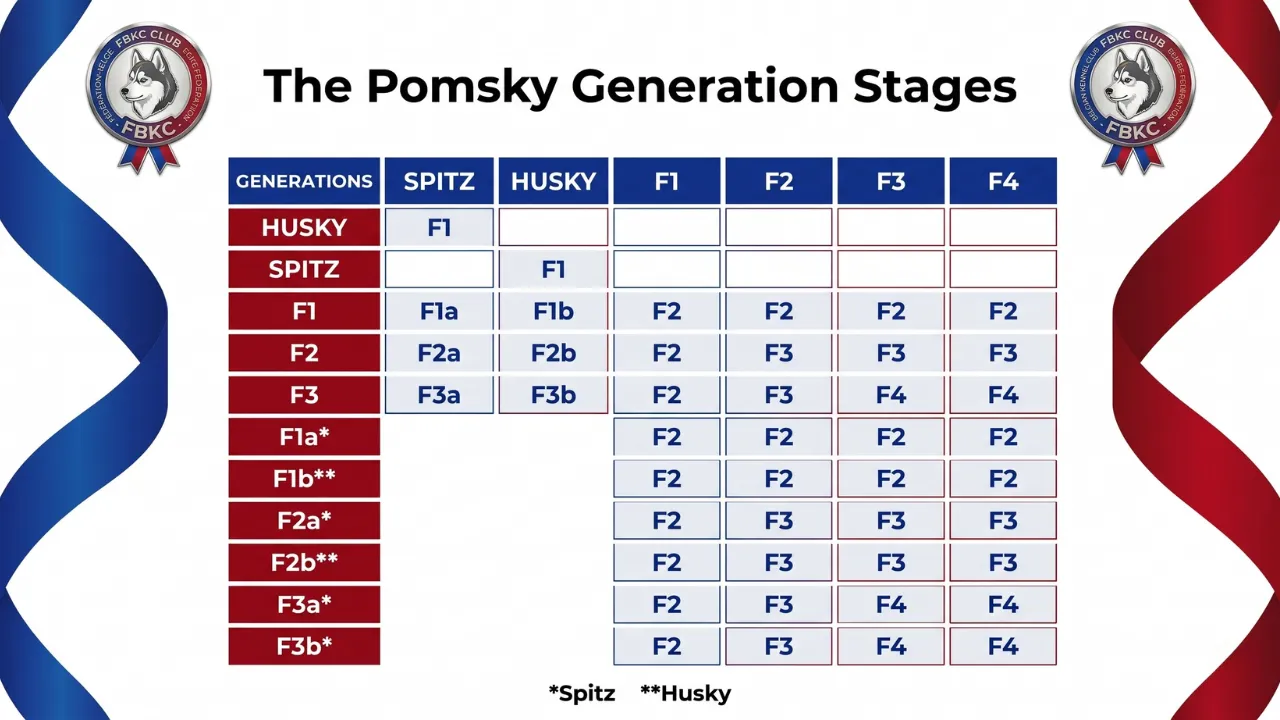
Pomsky crossbreeding chart
Today, although not officially recognized by the FCI, this developing breed benefits from dedicated associations such as the International Pomsky Association, which are working to establish official standards.
With over a decade of history, we can now confirm the remarkable hardiness and health of these dogs, the result of thoughtful and passionate selective breeding.
The FBKC offers Pomsky breeders a modern alternative with online management tools. Register your dogs, obtain a four-generation pedigree, and enjoy greater flexibility to manage your breeding program professionally.
Description
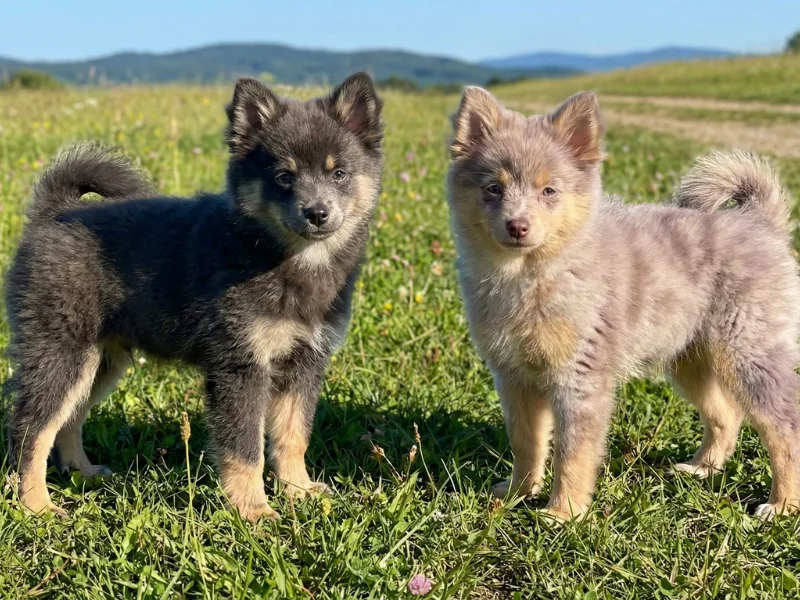
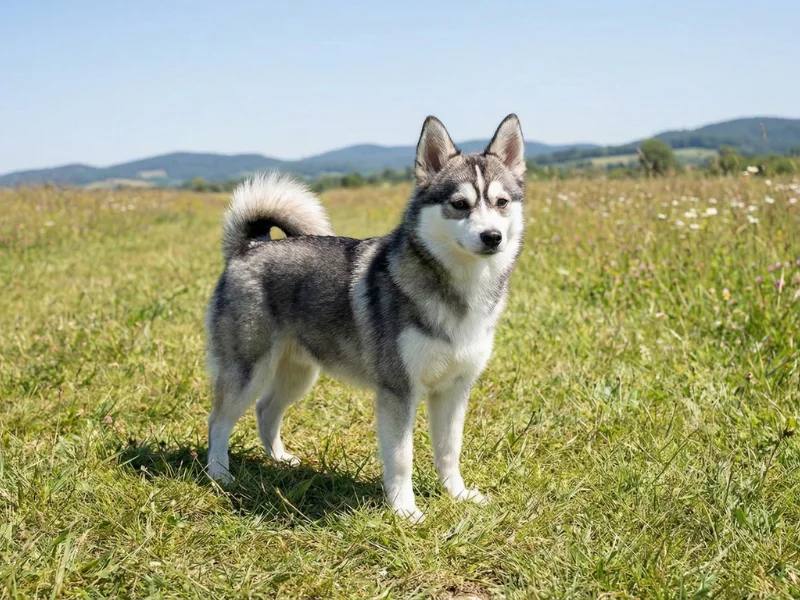
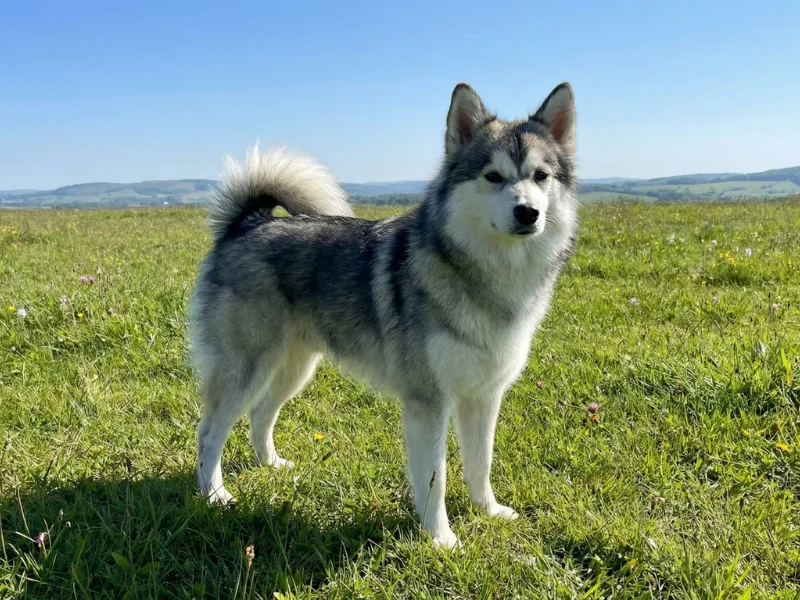
I magine a mini Husky with piercing eyes that fits right in your arms! The Pomsky captivates with its miniature wolf appearance, combining the striking beauty of the Siberian Husky with the compact size of the Pomeranian. This adorable living plush toy typically stands between 25 and 40 cm at the withers, with weight ranging from 5 to 14 kg depending on its generation and parentage.
Its dense double coat, inherited from its Nordic ancestors, displays a varied color palette: pure white, deep black, silver gray, warm brown, or mixed patterns sometimes featuring the Husky's characteristic facial mask.
Its expressive eyes, which may be glacial blue, caramel brown, or heterochromic (two different colors), immediately capture attention. The erect, triangular ears, always alert, add to its irresistible charm.
The well-proportioned body reveals firm musculature beneath a generous coat. Its bushy tail, often curled over the back like an elegant plume, accentuates its graceful bearing. In terms of temperament, the Pomsky combines keen intelligence with boundless energy, while remaining easier to train than the purebred Husky.
Playful and affectionate with its family, it seeks attention without being overbearing, requiring its moments of quiet time to decompress. Its natural sociability works wonderfully with people, although early socialization remains recommended to ensure a well-balanced and confident companion.
Personality
T he Pomsky radiates boundless energy inherited from its Nordic ancestors. Intelligent and inquisitive, this spirited companion combines the Husky's endurance with the Pomeranian's liveliness, creating an endearing and expressive personality.
Its affectionate nature is demonstrated daily through a desire for closeness with its family, though it retains appreciated moments of independence.
Naturally playful and mischievous, it delights in interactive play and knows how to capture the attention of its favorite humans. Its natural sociability facilitates encounters with other dogs, while its keen intelligence makes it responsive to training. However, this clever little dog may occasionally display a stubborn streak inherited from the Husky, gently testing established boundaries.
With children, the relationship requires thoughtful supervision: when properly socialized, it becomes a wonderful playmate, but may prove sensitive to noise and excessive commotion.
Its balanced temperament flourishes best in a structured environment where clear rules and generous affection coexist harmoniously.
Photo Gallery


Breed Characteristics
General Information
- Category: Approval
- Origin: United States
- FCI Recognition: No
- Est. monthly upkeep: 50-80
- Daily exercise: 90 minutes
Key Facts
- Height: 20.00 to 50.00 cm
- Weight: 2.00 to 20.00 kg
- Life expectancy: 12 to 15 years
- Average price: 1500.00 to 5000.00 €
-
Grooming frequency:7/10
Training Tips
Begin training as soon as the puppy arrives, ideally around 8 weeks, by prioritizing positive reinforcement. The Pomsky responds wonderfully to gentle methods combining rewards and encouragement. Early socialization is the key to a balanced temperament: gradually expose them to various situations, people, and animals. When faced with their occasional stubborn side, patience and consistency prove to be your best allies. Short and playful sessions keep their attention sharp while reinforcing fundamental learning.
Health & Common Conditions
General Health
The Pomsky benefits from a robust constitution inherited from both parent breeds, recognized for their vitality. Its double coat provides effective protection against the elements, allowing it to enjoy all seasons with ease.
This hybrid breed generally displays an encouraging life expectancy of 12 to 15 years, reflecting favorable genetics.
The cross between two purebred breeds provides what specialists call hybrid vigor, reducing certain risks of genetic diseases. A decade of observation confirms the remarkable health of these dogs, with no major specific pathology identified to date.
Their endurance and resistance to extreme temperatures make them adaptable companions.
Regular veterinary visits remain recommended to monitor the breed's development and maintain optimal health. Preventive care including vaccinations, deworming, and annual check-ups ensures your companion enjoys a long and fulfilling life.
Rigorous selection of breeding stock by reputable breeders also contributes to preserving this fine natural hardiness.
Common Conditions
Like its parent breeds, the Pomsky may exhibit a predisposition to certain hereditary conditions, primarily of articular and ocular origin. Hip dysplasia ranks among potential concerns, particularly in larger specimens.
Screening radiographs allow for early detection and appropriate management of this condition.
Ocular issues include cataracts and certain sensitivities inherited from the Spitz, sometimes manifesting as excessive tearing. Patellar luxation occasionally affects smaller specimens, resulting in intermittent lameness. Regular ophthalmologic examinations and gait monitoring enable prompt identification of these disorders.
The good news? DNA testing available today allows responsible breeders to select breeding stock free of genetic defects. This modern scientific approach, impossible during the earliest historical crosses, now ensures puppies in excellent health.
A balanced diet and optimal weight also serve as excellent preventive measures against joint problems.
Care & Living Environment
Daily Care
The Pomsky's dense double coat requires regular attention to maintain its natural luster. Under normal conditions, brushing two to three times per week is sufficient to aerate the coat and remove dead hair.
This routine also allows you to check the condition of the skin and strengthen the bond with your companion.
In spring and autumn, shedding seasons can literally transform your home into a snowstorm! Daily brushing becomes essential during these periods to manage the impressive hair loss characteristic of Nordic breeds. Investing in a brush designed for thick undercoats makes this task considerably easier.
The eyes merit particular attention, with gentle weekly cleaning to prevent irritation. Nails require monthly trimming, while teeth benefit from regular brushing to maintain optimal dental hygiene.
The erect ears, being well-ventilated, simply require occasional inspection. Unlike some breeds, the Pomsky does not require routine professional grooming, a considerable advantage for the family budget.
Recommended Living Environment
The Pomsky adapts remarkably well to apartment living thanks to its moderate size, provided it receives sufficient daily outings. A house with a fenced yard represents the ideal setting, offering a secure space for its spontaneous explorations.
Its escape artist instinct inherited from the Husky requires reliable fencing. This versatile companion thrives equally well in urban and rural environments, as long as its exercise needs are met. Constant proximity to its family takes priority over the size of the living space.
Recommended Activities
Search and retrieval games maintain its mental sharpness. Varied walks of at least two hours daily, interspersed with interactive play sessions, ensure its physical and mental balance. Improvised obstacle courses at the park also stimulate its natural abilities.
Frequently Asked Questions
The Pomsky makes a wonderful family companion thanks to its affectionate temperament and playful nature. It enjoys human company and loves participating in daily activities. Its moderate size makes it less imposing than a purebred Husky, facilitating family living. With children, supervision is still recommended as it can be sensitive to overly boisterous play. When properly socialized from an early age, it develops a harmonious relationship with all household members and becomes a faithful friend for life.
The price of a Pomsky puppy ranges from 1500 to 5000 euros depending on several criteria. Generation, size, color, and physical characteristics directly influence the price. Specimens displaying blue eyes or markings similar to the Husky are generally more sought after. The breeder, their expertise, and health testing performed on the parents also impact the cost. This price reflects the genetic selection work and the care provided to puppies during their first weeks of life.
The Pomsky has a dense double coat that sheds moderately throughout the year. Under normal circumstances, brushing two to three times per week is sufficient to manage hair loss. However, be mindful of seasonal shedding periods in spring and fall. During these periods, shedding becomes considerable and requires daily brushing to maintain a clean household. This characteristic inherited from its Nordic ancestors demands regular commitment but remains manageable with the proper grooming tools.
The adult Pomsky's size varies considerably depending on its genetics, ranging from 20 to 50 cm at the withers. Weight generally falls between 2 and 20 kg, creating three distinct categories. The Toy Pomsky measures up to 26 cm, the miniature reaches 36 cm, and the standard can reach up to 42 cm. This significant variability is explained by recent hybridization and the size difference between the parent breeds. Advanced generations tend to stabilize these characteristics for greater predictability when selecting a puppy.
The Pomsky adapts perfectly to apartment living thanks to its compact size and flexible temperament. Unlike the purebred Husky, its space requirements are moderate and compatible with urban housing. The key to its fulfillment lies in sufficient daily outings. Two hours of exercise spread throughout the day help channel its natural energy. Without a yard, provide multiple varied walks and interactive games. Its closeness to its family matters more than the size of the living space for its overall well-being.
Expert Rating
Overall rating for the Pomsky
This overall rating is calculated from 7 key criteria: activity level, trainability, guarding ability, child and animal friendliness, grooming frequency and barking level.
Activity level
Trainability
Sociability
Guarding ability
Parent Breeds
Discover the breeds that make up the Pomsky
About this crossbreed
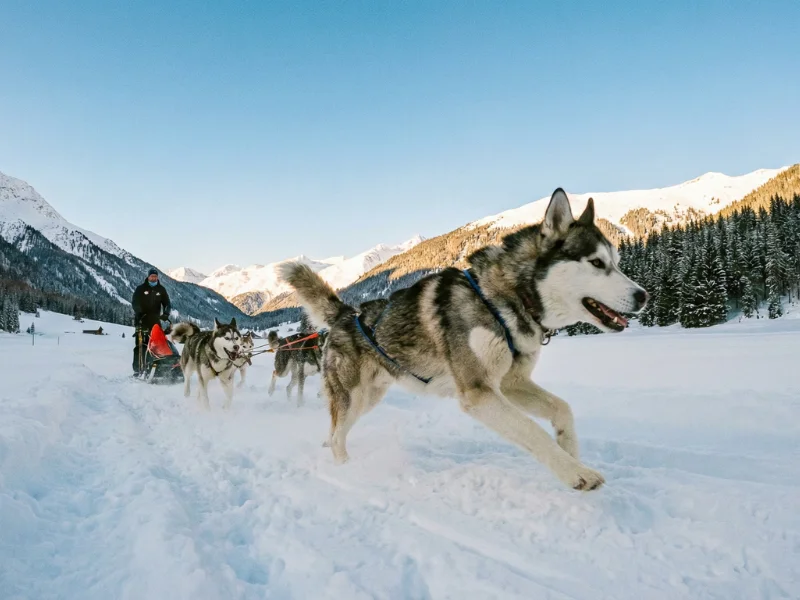
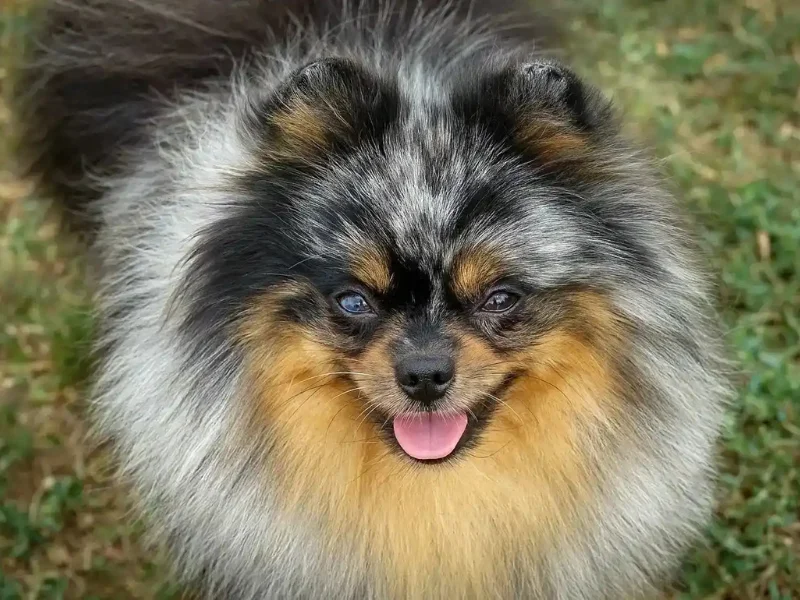
The Pomsky is the result of an intentional cross designed to create a dog combining the striking appearance of the Husky with the compact size and sociable temperament of the Pomeranian.
This hybrid meets the needs of modern living, offering a companion well-suited to urban environments while retaining the aesthetic appeal of Nordic breeds.
Breeders distinguish between several generations: the first generation, produced directly from a Husky parent and a Pomeranian parent, exhibits the greatest variability.
The second generation, resulting from the cross of two first-generation Pomskys, begins to stabilize characteristics. From the third generation and beyond, traits become progressively fixed, creating increasing uniformity in appearance and temperament.
Although not recognized by traditional kennel organizations such as the FCI, this hybrid breed is gaining legitimacy.
The FBKC officially recognizes the Pomsky, allowing professional breeders to register their dogs and obtain a four-generation pedigree. This alternative recognition provides a structured framework for the responsible development of this emerging breed, ensuring traceability and rigorous selection of breeding stock.
Latest registered Pomsky
Dogs of this breed recently added to the FBKC registry
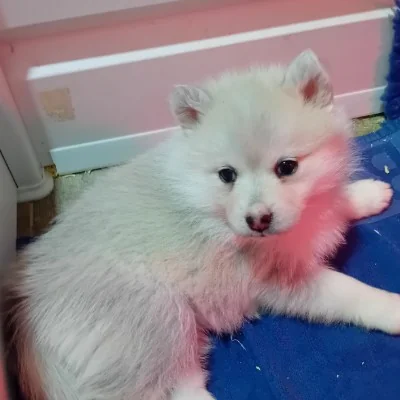
Boheme For Ever (F2)
SILVER
France
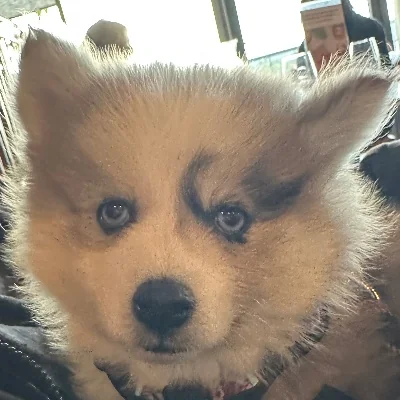
Des Fontaines de Vertiol Baya (F4)
WHITE AND MERLE
France
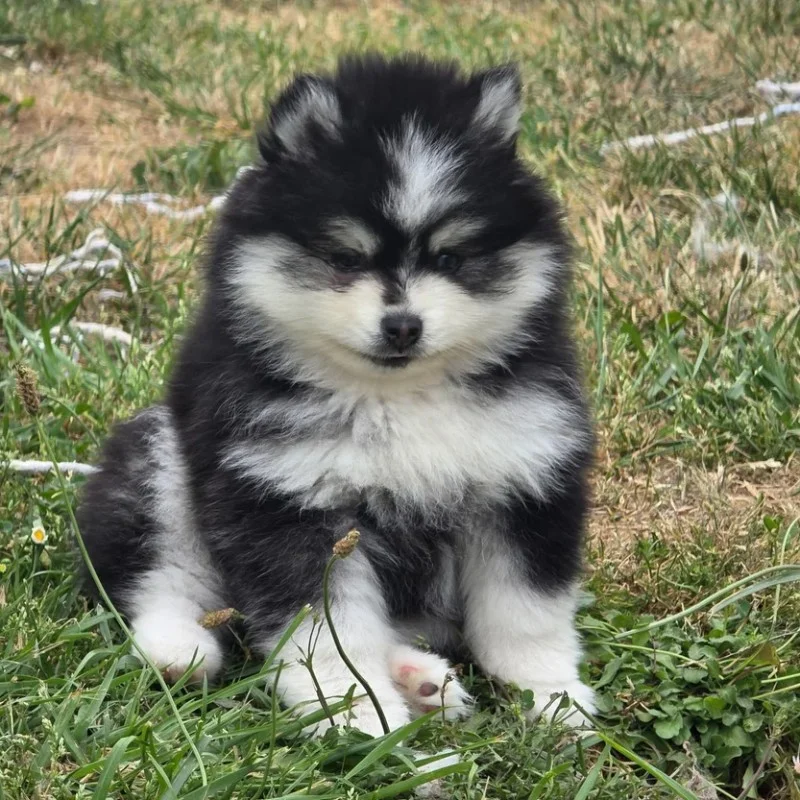
Bakun Des Fontaines de Vertiol (F4)
NOIR ET BLANC
France
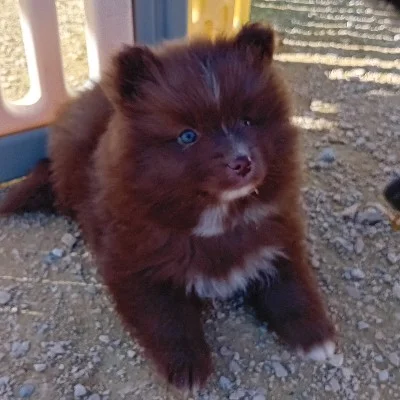
Kouma For Ever (F2)
CHOCOLATE
France
Other Non-FCI Recognised Breeds
Discover other breeds not officially recognised by the FCI