
Aussiedor
Other names: Australian Sheprador, Aussie Lab, Labrashepherd, Aussie-Lab
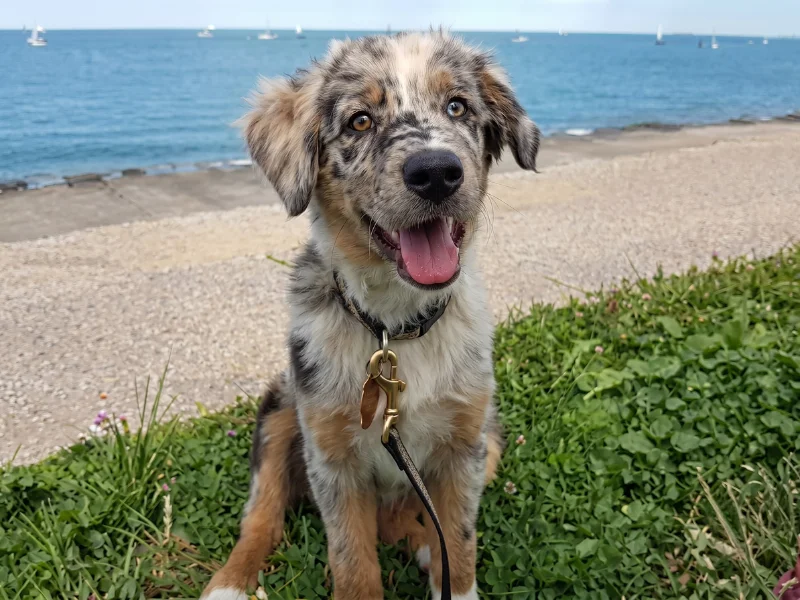
The Aussiedor instantly captures attention with its athletic appearance, combining the reassuring sturdiness of the Labrador with the unique aesthetic of the Australian Shepherd. This medium to large-sized dog presents a well-proportioned silhouette, built for action, covered with a dense coat that invites touch. Its coat i... Read more
Are you a breeder or owner of a Aussiedor?
Create your free account and request your dog's pedigree in just a few clicks. Use our tools to manage your kennel and select your breeding stock in the best conditions.
Are you a breeder or owner of a Aussiedor?
Create your free account, manage your kennel and pedigree requests with our tools.
Create my accountHistory & Origin
T he history of the Aussiedor is part of the recent "designer dog" trend, a movement that originated in North America toward the end of the 20th century with the aim of combining the strengths of established breeds. Although its parent breeds, the Labrador Retriever and the Australian Shepherd, possess centuries-old and prestigious histories, their intentional crossing is a modern phenomenon.
Breeders sought to create a dog that would possess the remarkable working intelligence of the Australian Shepherd while tempering its sometimes reserved guarding instinct with the sociability and emotional stability of the Labrador.
The primary goal was not merely aesthetic but also health-related, with the hope of benefiting from "hybrid vigor" to reduce certain genetic disorders inherent to purebred dogs. Over the past two decades, the Aussiedor has earned its reputation not in the show ring, but in the heart of family homes and on activity fields.
It quickly established itself as an excellent candidate for service dog and therapy roles, proving that this cross made sense beyond its attractive appearance alone.
Not being recognized by major kennel clubs as a breed in its own right, the Aussiedor does not have an official pedigree. However, hybrid breed clubs and enthusiast associations have begun documenting bloodlines to stabilize temperament traits.
Today, it represents a popular canine success story in the United States and Europe, symbolizing the evolution of owner expectations toward versatile dogs capable of adapting to modern family life while retaining undeniable athletic ability.
Description
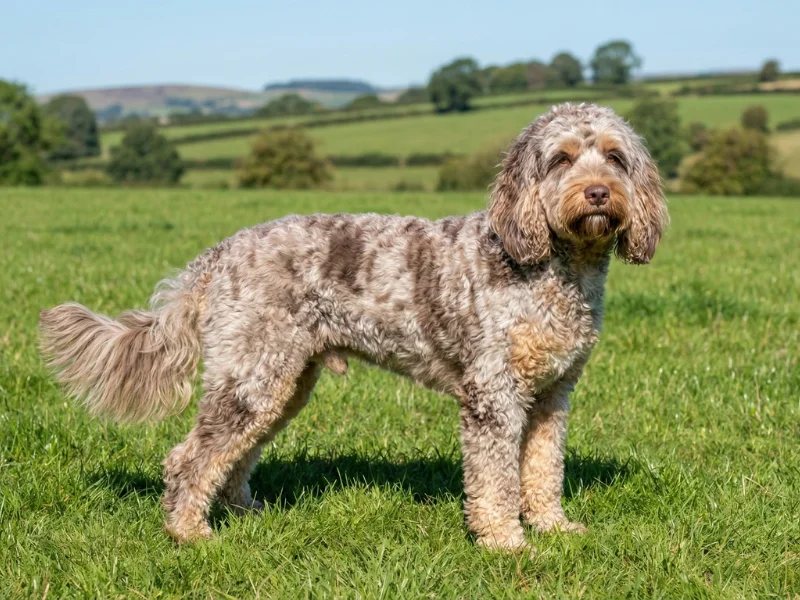
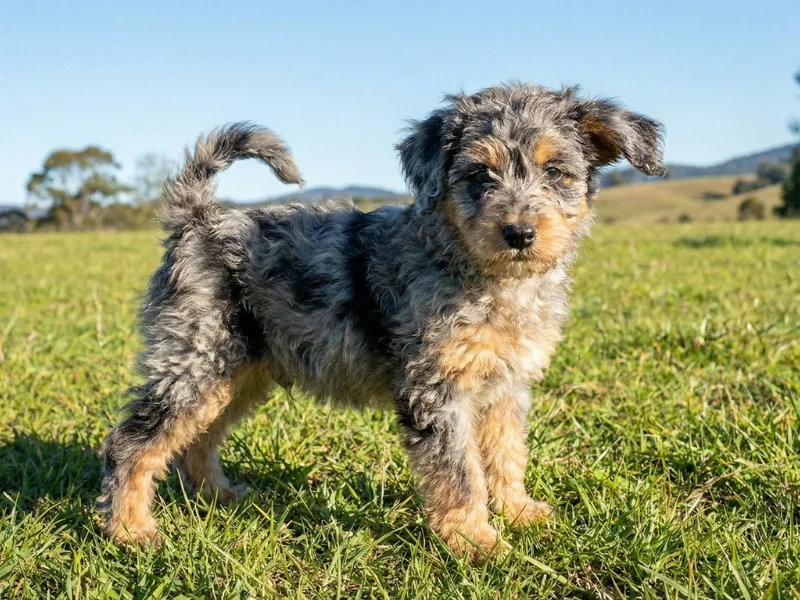
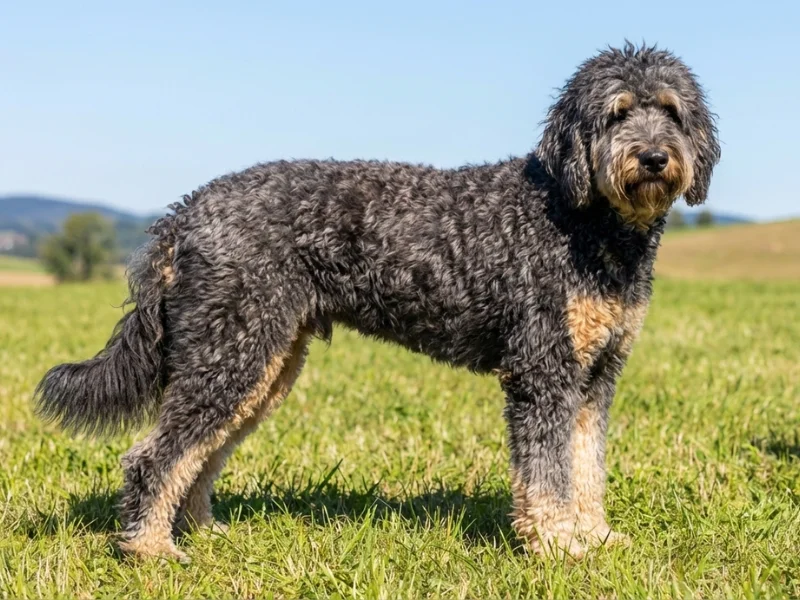
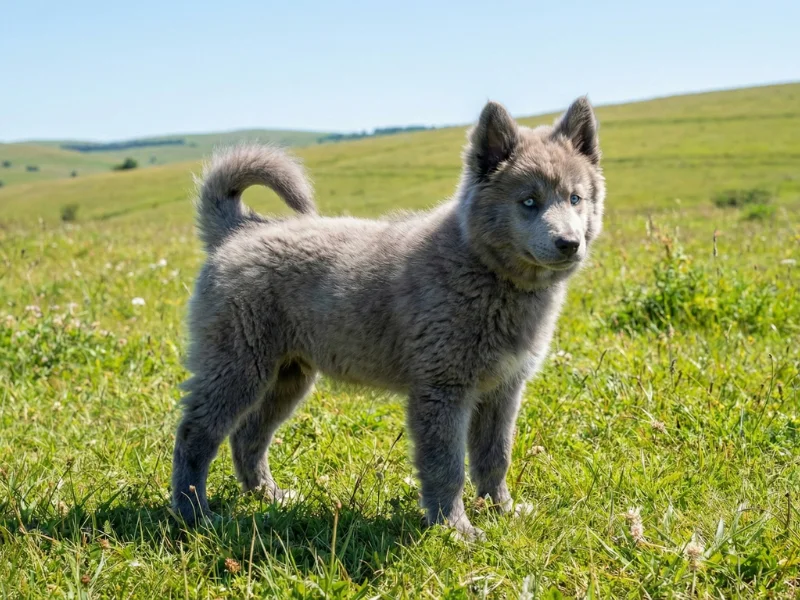
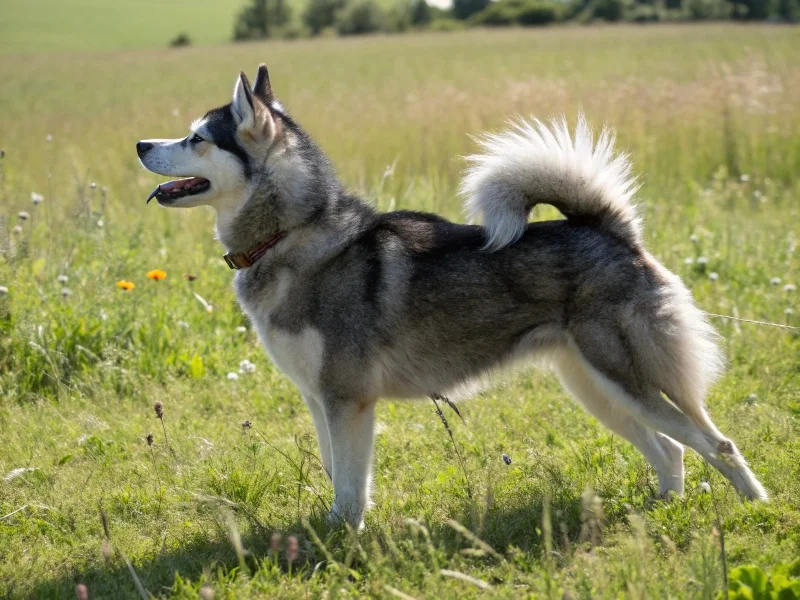
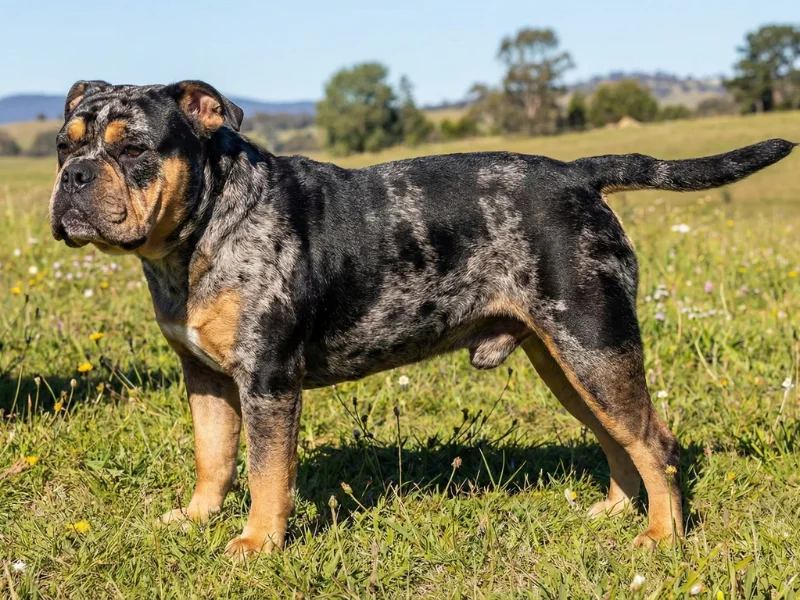
T he Aussiedor instantly captures attention with its athletic appearance, combining the reassuring sturdiness of the Labrador with the unique aesthetic of the Australian Shepherd. This medium to large-sized dog presents a well-proportioned silhouette, built for action, covered with a dense coat that invites touch. Its coat is a true genetic surprise package: it may display the solid, glossy color of the Labrador or feature the merle patterns and mottled markings typical of the shepherd, making each individual visually unique.
Its gaze sparkles with intelligence, and it is not uncommon to encounter a specimen with heterochromatic eyes or a piercing blue that contrasts with a dark facial mask.
In terms of temperament, the Aussiedor is a bundle of positive energy that always seems ready for a new adventure. It has inherited the retriever's unconditional love of water and the shepherd's cat-like agility, making it a tireless play partner.
Its tail, often in motion, reflects its constant enthusiasm and infectious zest for life. It conveys an impression of controlled power, capable of transitioning from a spirited run to attentive stillness at its handler's request.
This companion excels through its emotional versatility, capable of being an accomplished athlete in the morning and an affectionate family member in the evening. It displays great sensitivity and constantly seeks eye contact with its owner, awaiting direction with keen attentiveness.
Far from being merely a guard dog, it is above all a member of the pack that tolerates solitude poorly. It is an unapologetically devoted companion, combining the shepherd's protective loyalty with the legendary gentleness of the Labrador, creating a perfect balance for active families.
Personality
T he Aussiedor is a true ray of sunshine, displaying the constant good nature inherited from the Labrador. He is incredibly affectionate with his family, often seeking physical contact or snuggling up beside you on the couch.
This gentleness is paired with a keen intelligence from the Australian Shepherd, making him highly attentive to his surroundings.
Sometimes slightly reserved at first with strangers, he relaxes quickly once trust is established. He tolerates solitude poorly and can become somewhat clingy, following you from room to room. He is a tireless playmate for children, demonstrating admirable patience as long as he has had his daily dose of activity.
Photo Gallery


Breed Characteristics
General Information
- Category: Compagnon
- Origin: United States
- FCI Recognition: Yes
- Est. monthly upkeep: 80
- Daily exercise: 90 minutes
Key Facts
- Height: 50.00 to 60.00 cm
- Weight: 20.00 to 35.00 kg
- Life expectancy: 12 to 15 years
- Average price: 800.00 to 1500.00 €
-
Grooming frequency:6/10
Training Tips
Training this intelligent dog is a true pleasure, as he learns quickly and is eager to please. Begin as soon as he arrives home using positive reinforcement methods, incorporating play and rewards. Early socialization is key to tempering the guarding instinct that may sometimes be present.
Health & Common Conditions
General Health
Often benefiting from hybrid vigor, this dog typically enjoys a robust constitution and excellent vitality. Its life expectancy is favorable, often exceeding that of its purebred parent breeds thanks to this genetic diversity. It withstands inclement weather well due to its protective double coat.
To maintain this peak condition, careful weight management is necessary, as it inherits the Labrador's legendary appetite. Regular physical activity and a quality diet are often sufficient to keep it in good health. Routine veterinary visits help monitor the condition of its pendant ears and highly active joints.
Common Conditions
Although robust, the Aussiedor may be predisposed to hip and elbow dysplasia, common in dogs of this size. Eye health should also be monitored, particularly progressive retinal atrophy and cataracts.
The MDR1 gene, which causes sensitivity to certain medications, may be inherited from the Australian Shepherd parent.
Bloat or gastric torsion is a risk to keep in mind: avoid exercise immediately after meals. Fortunately, most of these conditions can be anticipated through genetic testing of the parents. Good prevention and careful monitoring ensure a long and healthy life.
Care & Living Environment
Daily Care
His dense coat requires rigorous weekly brushing to remove dead hair and prevent matting, increasing to daily during seasonal shedding periods. Using a curry brush helps manage hair loss, which can be significant. His drop ears retain moisture and require regular cleaning to prevent ear infections.
Don't forget dental hygiene with tooth brushing or appropriate dental chews. If your companion doesn't naturally wear down his nails during outings, monthly trimming is necessary for his comfort. This is a grooming ritual that strengthens your bond while ensuring his well-being.
Recommended Living Environment
A house with a fenced yard is the ideal setting for this breed to expend energy freely. He can adapt to apartment living if his owners are very active and available for long outings. He needs space to run and will not thrive if confined indoors all day.
Recommended Activities
Frequently Asked Questions
He is an ideal companion for active households. Combining the gentle nature of the Labrador with the energy of the Shepherd, he adores children and eagerly participates in all family adventures. He requires attention and does not tolerate being left alone for extended periods. His tender heart makes him a loyal and truly endearing friend.
Absolutely, this is not a couch potato. He inherits the endurance of both his parents and needs at least one hour of running per day. Without this, he may develop destructive behaviors. He excels at ball games and swimming, making him the ideal athletic partner for you.
Yes, his keen intelligence greatly facilitates training. He learns quickly and is eager to please. However, he may test your limits. Training based on play and rewards works wonderfully for him. Consistency is essential to properly channel his sometimes boundless energy.
Prepare your vacuum, because the answer is yes. With its double coat, it sheds year-round, with intense seasonal peaks. Regular brushing is required to keep the house clean. It's a small price to pay to enjoy the softness of its silky and magnificent coat.
That's the surprise of hybridization. He can weigh between 20 and 35 kg depending on whether he takes more after the Labrador or the German Shepherd. His growth is rapid until one year of age. In any case, you will have a medium to large-sized dog, robust and built for action, requiring space suited to his impressive size.
Expert Rating
Overall rating for the Aussiedor
This overall rating is calculated from 7 key criteria: activity level, trainability, guarding ability, child and animal friendliness, grooming frequency and barking level.
Activity level
Trainability
Sociability
Guarding ability
Parent Breeds
Discover the breeds that make up the Aussiedor
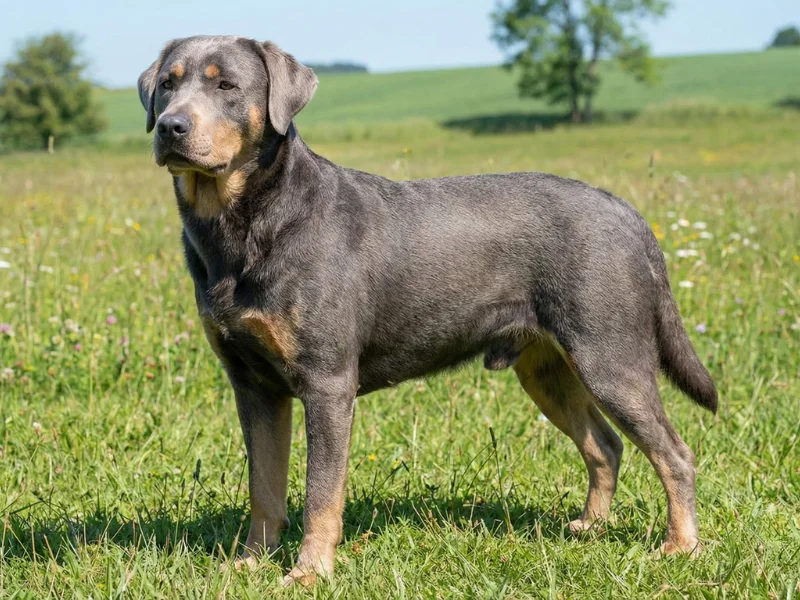
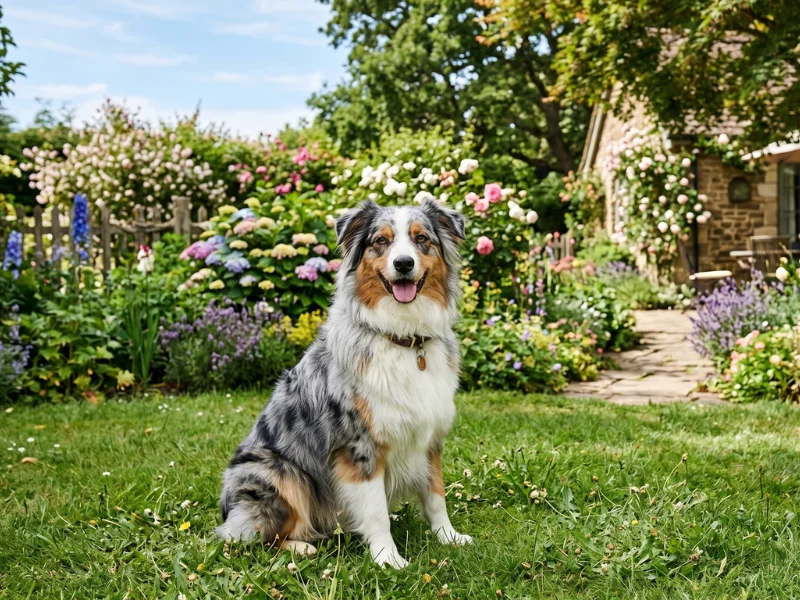
About this crossbreed
The Aussiedor is the result of a purposeful cross aimed at combining the working intelligence of the Australian Shepherd with the unflappable nature of the Labrador Retriever.
The goal is to produce a companion capable of learning complex tasks while remaining extremely sociable and tolerant. This blend often tempers the sometimes overwhelming herding instinct of the shepherd through the natural good nature of the retriever.
Puppies may inherit a random mix of physical and mental traits from both parents, making each litter unique. Although not recognized by major registries as a purebred, this hybrid is gaining popularity for its versatility.
The aim here is to achieve the well-known "hybrid vigor" while creating an ideal dog for active families or assistance work.
Latest registered Aussiedor
Dogs of this breed recently added to the FBKC registry
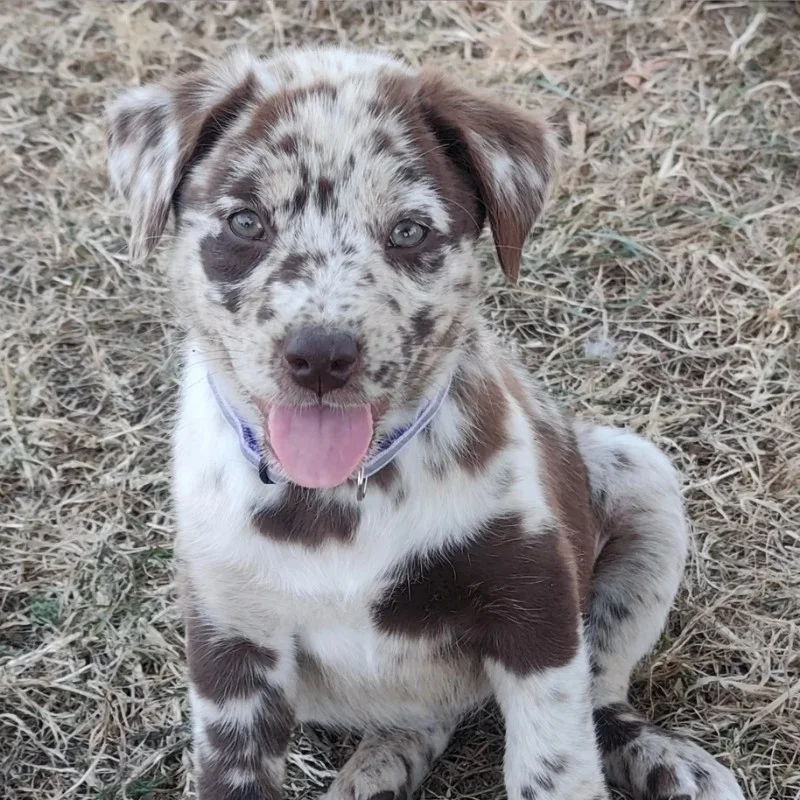
Biscotte De La Cité des Animaux
MERLE CHOCOLAT
France
Other Non-FCI Recognised Breeds
Discover other breeds not officially recognised by the FCI