
Shar Pei
Other names: Chien de combat chinois, Sharpeï, Shar-Peï
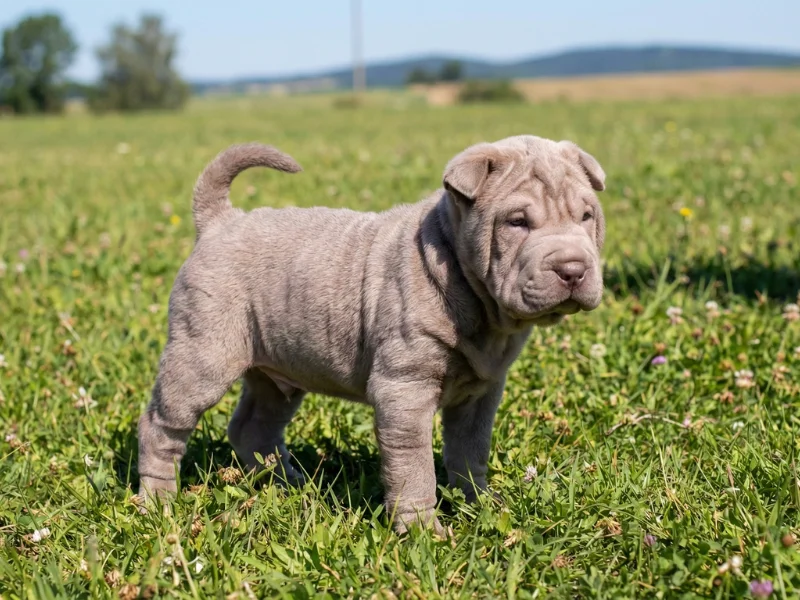
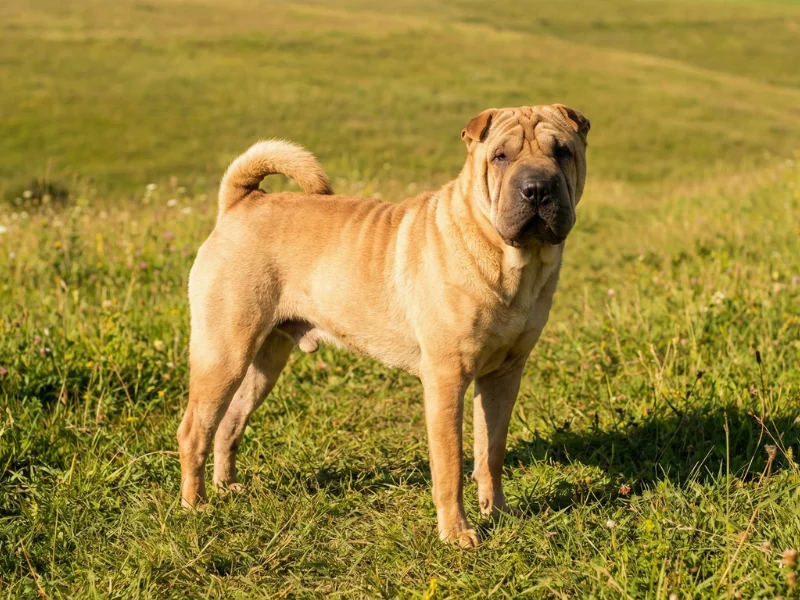
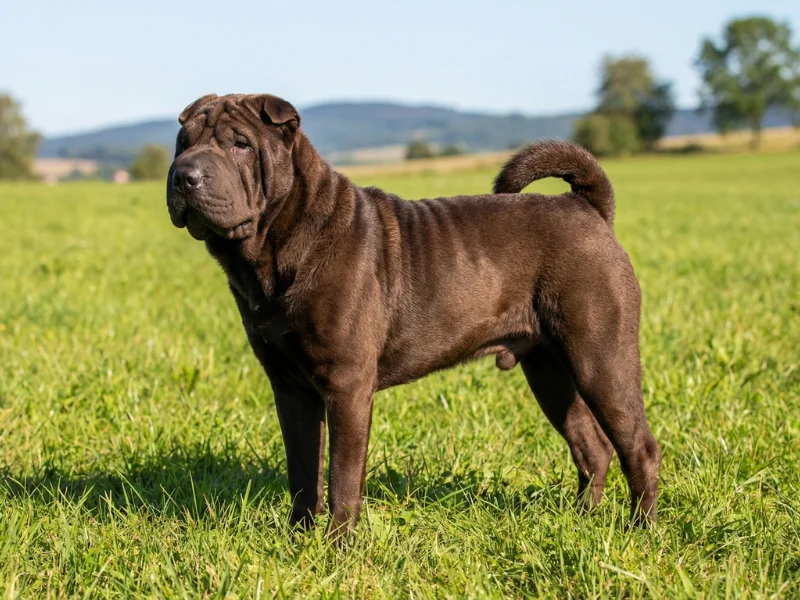
Instantly recognizable with its countless skin folds that give it the appearance of a wrinkled plush toy, the Shar Pei fascinates as much as it intrigues. This medium-sized dog with a compact, stocky body displays a unique silhouette, short and cobby, where each fold tells its ancient history.
Its m... Read more
Are you a breeder or owner of a Shar Pei?
Create your free account and request your dog's pedigree in just a few clicks. Use our tools to manage your kennel and select your breeding stock in the best conditions.
Are you a breeder or owner of a Shar Pei?
Create your free account, manage your kennel and pedigree requests with our tools.
Create my accountHistory & Origin
T he roots of the Shar Pei are buried deep in Chinese antiquity, dating back more than 2000 years in the coastal provinces of southern China, particularly Guangdong, whose capital is Guangzhou.
Terracotta statuettes discovered during archaeological excavations and dating from the Han Dynasty (206 BC to 220 AD) already bear witness to the existence of dogs featuring these characteristic wrinkles.
Unlike other Chinese breeds that adorned imperial palaces, the Shar Pei lived alongside peasants, fishermen, and poor farmers of the southern coastline.
A versatile and hardy dog, the breed excelled at farm and livestock guarding, hunting small game and rats, before being diverted to dog fighting, which was popular in rural areas and working-class neighborhoods of provincial towns alike.
Its distinctive physical features—loose skin difficult to grip, deep-set eyes protected by wrinkles, and curved fangs; were selectively bred to give it an advantage in the pit.
In the 19th century, the massive influx of Western breeds such as Bulldogs and Mastiffs, far more powerful fighting machines, gradually condemned the Shar Pei to obscurity.
The situation became critical with the establishment of the Communist regime around 1950, which imposed a heavy tax on dogs, dramatically accelerating the breed's decline.
By the late 1960s, only a handful of specimens survived in Hong Kong, Macau, and Taiwan. Salvation came from passionate local breeders such as Mr. Law and Mr. Chung, who issued a desperate appeal to Americans in 1973.
A groundbreaking article in a specialty magazine presenting the Shar Pei as the world's rarest dog sparked a spectacular surge of interest, generating over two hundred adoption requests.
The first Shar Pei arrived in the United States in the 1970s, then in Europe around 1980, and in France in 1981, with the first French-bred litters in 1983. The breed was officially recognized by the FCI in 1981, saved from total extinction just in time.
The FBKC officially recognizes the Shar Pei and offers professional breeders the opportunity to register the breed with our club. Take advantage of modern online breeding management tools and obtain four-generation pedigrees.
Description
I nstantly recognizable with its countless skin folds that give it the appearance of a wrinkled plush toy, the Shar Pei fascinates as much as it intrigues. This medium-sized dog with a compact, stocky body displays a unique silhouette, short and cobby, where each fold tells its ancient history.
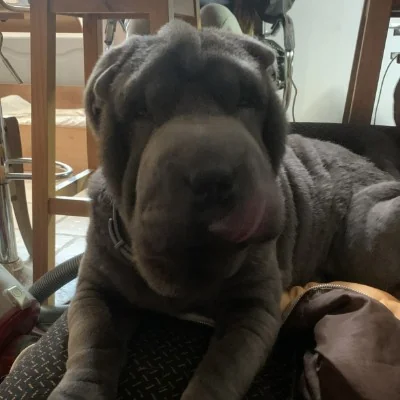
Its massive head, proportionally imposing compared to the rest of the body, is covered with deep wrinkles that give it that perpetually worried, almost melancholic expression that makes up all its charm.
Its broad, flat muzzle, often compared to that of a hippopotamus, extends into thick flews and a remarkable characteristic: a blue to bluish-black tongue that it shares only with its cousin the Chow Chow.
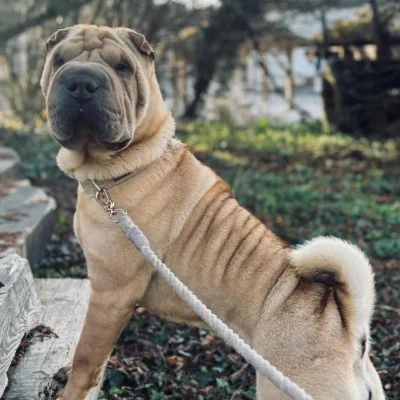
Its small triangular ears, thick and lying flat against the head, appear tiny against the breadth of its skull. The short, harsh, bristly coat fully justifies its Chinese name, which literally means "sand skin," a rough texture to the touch, almost prickly, that leaves no one indifferent.
Two coat varieties exist: the horse coat, very short and not exceeding 1.5 cm, and the brush coat, slightly longer at around 2 cm.
All solid colors are permitted, from deep black to delicate cream, including fawn, beige, red, or blue-gray; only white remains excluded from the standard.
Its tail, thick at the base and tapering to the tip, is carried proudly curled over the back in a characteristic corkscrew fashion.
Beneath this distinctive appearance that never fails to attract attention and comments lies a calm and composed temperament, a natural guardian endowed with unwavering loyalty to its family.
Personality
T he Shar-Pei displays a calm and composed temperament that distinguishes it from many other breeds. Naturally reserved, it shows unconditional loyalty to its family, forming deep and lasting bonds with its owners.
Its attachment proves particularly strong, often following its humans from room to room while maintaining a certain independence typical of its character.
An excellent watchdog, it possesses a keen sense of property and is naturally wary of strangers, alerting to any suspicious presence without becoming aggressive.
With children in the family, it demonstrates remarkable patience and surprising gentleness, tolerating their play with good nature.
Sometimes described as a "cat-dog" for its unique temperament, it appreciates moments of tranquility as much as play sessions, knowing how to alternate between protective vigilance and affectionate tenderness toward its family.
Photo Gallery


Breed Characteristics
General Information
- Category: Approval
- Origin: China
- FCI Recognition: Yes (Group 2)
- Est. monthly upkeep: 50-80
- Daily exercise: 60 minutes
Key Facts
- Height: 44.00 to 51.00 cm
- Weight: 18.00 to 25.00 kg
- Life expectancy: 9 to 11 years
- Average price: 1200.00 to 1800.00 €
-
Grooming frequency:6/10
Training Tips
Shar Pei training ideally begins at 2 months of age with intensive early socialization involving various people, other dogs, and diverse situations. Positive reinforcement methods based on rewards and repetition work remarkably well with this intelligent breed that quickly understands expectations. A certain firm yet gentle approach is necessary given their independent and determined temperament. Novice owners would benefit from consulting a professional dog trainer to establish solid foundations from the start and prevent behavioral issues.
Health & Common Conditions
General Health
Le Shar Pei présente une constitution plutôt robust and hardy, a heritage of its Chinese peasant origins. Its body handles daily activities well and its overall resilience remains satisfactory when provided with appropriate care.
However, its distinctive morphology with characteristic wrinkles requires specific and regular attention.
Owners must pay particular attention to the hygiene of its wrinkled skin, which can easily harbor moisture and bacteria.
Annual veterinary checkups allow for early detection of eye problems common in the breed.
Average life expectancy ranges between 9 and 11 years, which can be extended through a balanced diet and conscientious medical monitoring. Prevention remains the best ally in ensuring a long and fulfilling life for this endearing companion.
Common Conditions
Dermatological conditions dominate health concerns in the Shar Pei. Generalized demodicosis, caused by the proliferation of mites in the hair follicles, and pyoderma frequently affect this breed.
The skin folds also promote irritations, allergies, and infections requiring regular and thorough cleaning.
Eye problems represent another notable weakness. Entropion and ectropion, where the eyelids roll inward or outward respectively, cause corneal irritations often requiring surgical correction.
Glaucoma constitutes a veterinary emergency that can lead to blindness.
Shar Pei Familial Fever, a breed-specific genetic disease causing recurrent febrile episodes, can lead to renal amyloidosis. Fortunately, responsible breeders performing appropriate health screenings contribute greatly to reducing these hereditary risks.
Care & Living Environment
Daily Care
Coat maintenance for the Shar Pei remains relatively simple with weekly brushing using a brush suited to its short, harsh coat.
Shedding periods in spring and autumn, however, require daily brushing to manage the increased hair loss. The critical point concerns the meticulous cleaning of the skin folds, which must be inspected and wiped regularly with a soft, dry cloth to prevent moisture buildup and infections.
Occasional baths with a pH-neutral shampoo recommended by your veterinarian maintain skin health. The eyes require regular cleaning with a cotton pad moistened with water to prevent irritation.
Nails should be trimmed monthly and teeth should be brushed several times a week to prevent tartar buildup.
Ears should be checked weekly. This grooming routine, while specific, quickly becomes an enjoyable bonding experience.
Recommended Living Environment
The Shar-Pei adapts to various environments but distinctly prefers a house with a fenced yard offering personal outdoor space.
Apartment living remains feasible provided three to four substantial daily outings are offered. Its short coat without undercoat makes it sensitive to cold and humidity, requiring a cozy, heated shelter during winter.
This dog particularly appreciates indoor comfort and detests life in an outdoor kennel, which is absolutely unsuitable for its human-oriented nature.
Recommended Activities
Leash walks in different environments stimulate his natural guarding and hunting instincts. Tracking activities and scent work pleasantly engage his well-developed sense of smell.
Puzzle games and treat-dispensing toys effectively occupy his intelligence. The Shar-Pei is not a highly athletic dog but enjoys regular outings that allow for olfactory exploration and territorial marking.
Frequently Asked Questions
The characteristic wrinkles of the Shar-Pei trace their origin to his past as a fighting dog in ancient China. This loose, wrinkled skin provided him with remarkable protection during confrontations, making it difficult for an opponent to secure a firm grip and inflict deep wounds. Today, these wrinkles constitute his distinctive visual signature. Puppies are born extremely wrinkled, then the skin gradually tightens with growth, leaving only wrinkles on the head and sometimes at the withers in the adult.
The Shar-Pei makes an excellent family companion for those who understand its unique temperament. Calm and composed in daily life, it displays deep loyalty toward its family and proves particularly patient with children in the household, whom it naturally protects. Its independent character, however, requires firm training from an early age and extensive socialization. Reserved with strangers, it excels as a vigilant guardian without ever resorting to unwarranted aggression, simply alerting to any unusual presence.
Wrinkle care requires regular attention but is simple to perform. The skin folds should be inspected and cleaned several times a week with a clean, soft, slightly damp cloth, then dried thoroughly to prevent moisture buildup that can lead to infections and skin irritation. After each walk in the rain or outing in wet conditions, thorough drying is particularly essential. During warm weather, extra vigilance is required as perspiration and heat promote bacterial growth in these sensitive and confined areas of the body.
The Shar-Pei can adapt quite well to apartment living despite its medium size, provided its fundamental needs are met. Its calm temperament and moderate activity level greatly facilitate this urban adaptation. Three to four daily outings of approximately fifteen to twenty minutes each are generally sufficient for its physical and mental well-being. This breed particularly appreciates the cozy comfort of a heated indoor environment. Without a yard, walks should provide olfactory stimulation and exploration to compensate for the lack of personal outdoor space.
The price of a Shar-Pei puppy registered with a reputable kennel club generally ranges from 1000 to 1800 euros depending on several determining factors. The breeder's reputation, the parents' lineage, health testing performed on breeding stock, and the guarantees offered directly influence this purchase price. Responsible breeders who conduct hereditary disease screenings command higher prices justified by their rigorous work. This initial cost represents an investment in the dog's future health and the owner's peace of mind regarding verified origins.
Expert Rating
Overall rating for the Shar Pei
This overall rating is calculated from 7 key criteria: activity level, trainability, guarding ability, child and animal friendliness, grooming frequency and barking level.
Activity level
Trainability
Sociability
Guarding ability
Latest registered Shar Pei
Dogs of this breed recently added to the FBKC registry
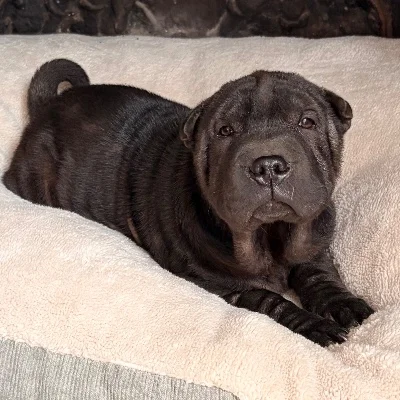
La Maison du Bou-Shar Béka
BLACK
France
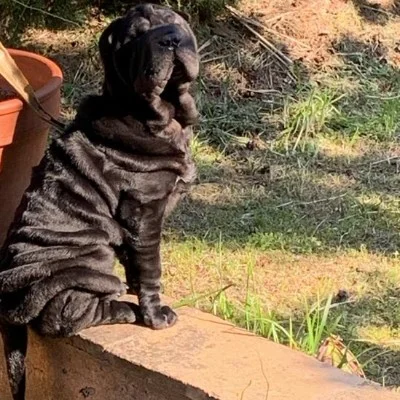
Moomin
BLACK BRINDLE
France
Vayana
BLUE BRUSH
France
Les Shar-Peï du Mont-d’Or Tsuki
FAUVE ROUGE
France
Breeds from the Same Group
Discover other dog breeds from the same group