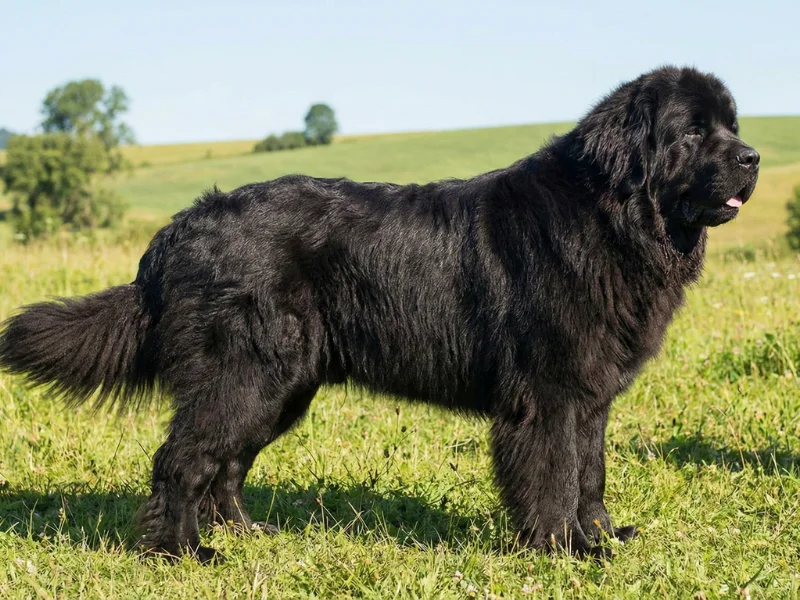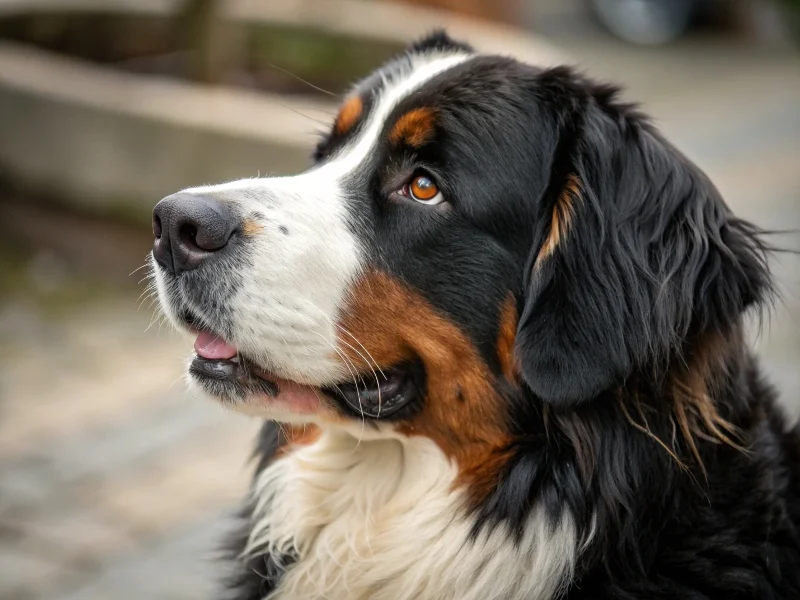


Cane Corso
Other names: Cane Corso Italiano, Chien de cour italien, Italian Cane Corso, Dogue italien, Molosse italien
An imposing guardian with a tender heart, the Cane Corso embodies the elegant power of Italian molossers. This large dog, standing 60 to 68 cm at the withers and weighing 40 to 50 kg, displays an athletic, muscular silhouette that exudes quiet strength while maintaining the natural elegance characteristic of Italian working... Read more
Are you a breeder or owner of a Cane Corso?
Create your free account and request your dog's pedigree in just a few clicks. Use our tools to manage your kennel and select your breeding stock in the best conditions.
Are you a breeder or owner of a Cane Corso?
Create your free account, manage your kennel and pedigree requests with our tools.
Create my accountHistory & Origin
T he history of the Cane Corso traces its roots back to ancient Rome, as a direct descendant of the legendary Canis Pugnax, those powerful mastiffs that accompanied the Roman legions.
These war dogs served as escorts to the Praetorian Guard and impressed with their strength and loyalty on the battlefields. Their name derives from the Latin "cohors" meaning "protector, guardian of the farm".
After the fall of the Roman Empire, these mastiffs dispersed throughout Italy, evolving according to the needs of local populations. In the southern Italian countryside, particularly in Apulia and adjacent regions, they found their calling as farm and livestock guardians. These robust dogs protected cattle, hunted large game such as bear and wild boar, and defended properties with formidable efficiency.
The 20th century nearly marked the disappearance of the breed. Industrialization and the World Wars drastically reduced their numbers, confining the last representatives to isolated rural areas.
In 1970, faced with this imminent extinction, a group of dedicated Italian enthusiasts mobilized to save this national canine heritage. Their meticulous work in surveying and selective breeding allowed them to reconstitute a quality breeding population.
The Fédération Cynologique Internationale granted provisional recognition to the breed in 1996, followed by full recognition in 2007, placing it in Group 2, Section 2.1 under standard number 343.
Today, the Cane Corso enjoys growing popularity far beyond Italian borders. This guardian, protection, police, and tracking dog continues to exercise its ancestral talents while establishing itself as a remarkable family companion for experienced owners.
We offer you the opportunity to register your Cane Corso with our club, a modern alternative providing greater freedom for breeders and powerful breeding management tools.
Description
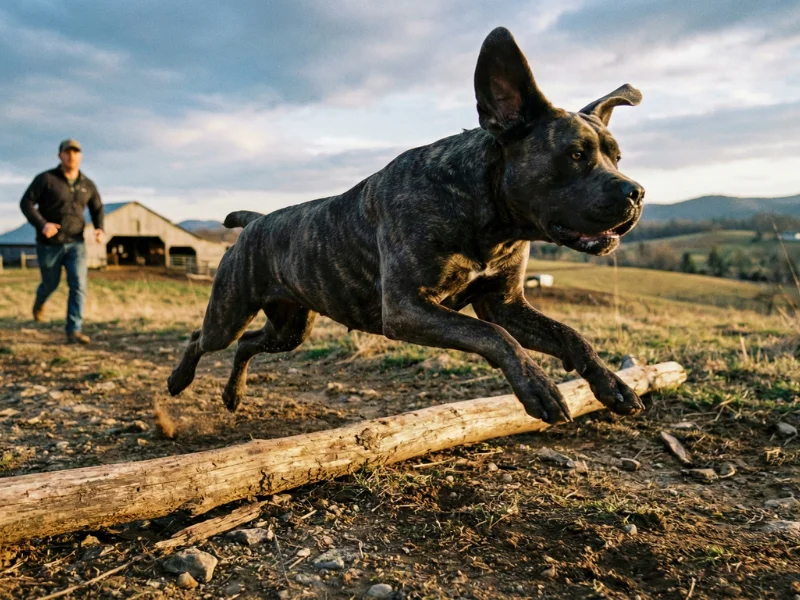
A n imposing guardian with a tender heart, the Cane Corso embodies the elegant power of Italian molossers. This large dog, standing 60 to 68 cm at the withers and weighing 40 to 50 kg, displays an athletic, muscular silhouette that exudes quiet strength while maintaining the natural elegance characteristic of Italian working dogs.
Its robust and compact stature reveals lean, powerful musculature, sculpted by centuries of functional selection. The body, slightly longer than tall, presents harmonious proportions. The deep chest and massive shoulders demonstrate its exceptional athletic capability.
The broad, massive head constitutes its distinctive signature, typical of molossoid breeds with its slightly convergent planes. The well-defined frontal furrow and pronounced brow ridges give it that characteristic thoughtful expression. The triangular ears fall naturally on each side of the skull. The always-black nose and the broad, deep muzzle complete this powerful yet noble expression.
The short, dense, and glossy coat perfectly follows the muscular contours of the body. The coat comes in several shades: black, lead gray, slate gray, light gray, or fawn shades ranging from light to dark, often brindle. A black or gray mask systematically adorns the muzzle of fawn or brindle specimens. A small white patch on the chest is permissible.
Behind this Roman gladiator appearance lies a calm and well-balanced temperament. Loyal to the point of absolute devotion, this natural protector holds deep affection for its family. Intelligent and tractable with appropriate training, it becomes an extraordinary companion that combines quiet vigilance with family tenderness in remarkable balance.
Personality
T he Cane Corso is a calm and confident guardian who displays unwavering loyalty to his family. This intelligent mastiff develops a deep bond with his owners, showing remarkable affection toward the children of the household.
His balanced temperament is evident in his daily behavior: watchful yet never nervous, protective without unwarranted aggression.
Naturally reserved with strangers, he quietly surveys his territory with constant vigilance. This natural reserve only turns to defensive action when faced with a genuine threat. His powerful protective instinct requires early socialization to distinguish between normal situations and true danger.
Docile and responsive with his owner, this affectionate and sensitive mastiff is keenly attuned to his family's emotions. His active and alert nature requires regular mental stimulation.
Despite his impressive power, he displays great gentleness within his family, alternating between energetic play sessions and periods of quiet composure.
Photo Gallery



Breed Characteristics
General Information
- Category: Guard
- Origin: Italy
- FCI Recognition: Yes (Group 2)
- Est. monthly upkeep: 80-120
- Daily exercise: 60 minutes
Key Facts
- Height: 60.00 to 68.00 cm
- Weight: 40.00 to 60.00 kg
- Life expectancy: 10 to 12 years
- Average price: 1200.00 to 2500.00 €
-
Grooming frequency:4/10
Training Tips
Training begins at 8 weeks of age with a firm yet gentle and consistent approach. This intelligent mastiff responds excellently to positive motivation and reinforcement. Early and intensive socialization remains essential to channel his protective instinct. An experienced handler or guidance from a professional ensures a well-balanced and reliable dog in all circumstances.
Health & Common Conditions
General Health
The Cane Corso boasts a robust constitution inherited from its Roman ancestors, providing it with an impressive general resilience.
Its solid bone structure and powerful musculature are testaments to its ironclad health when living conditions are properly adapted. With a life expectancy of 10 to 12 years, this large mastiff enjoys a respectable longevity for its size.
However, as with all large breeds, certain precautions are necessary. Gastric dilatation-volvulus (bloat) constitutes a life-threatening emergency that can be prevented by dividing meals into smaller portions and avoiding strenuous exercise after feeding.
The joints require particular attention during the growth period, when the skeletal system is developing.
Biannual veterinary examinations allow for early detection of potential health issues. A high-quality diet formulated for large breeds, regular exercise without overexertion during growth, and maintaining proper weight within breed standards will preserve this dog's vitality and physical well-being for years to come.
Common Conditions
The Cane Corso exhibits a predisposition to hip and elbow dysplasia, joint malformations that can cause lameness, pain, and early-onset arthritis. Radiographic screening of breeding stock and controlled growth help limit these risks. Symptoms include difficulty rising, reluctance to jump, or climb stairs.
Gastric dilatation-volvulus syndrome requires constant vigilance: abdominal distension, restlessness, excessive salivation, and unproductive attempts to vomit constitute an absolute life-threatening emergency.
Ocular conditions such as entropion or ectropion occasionally affect the breed, though these are surgically correctable. Cardiac conditions may also develop in certain individuals.
Rigorous breeding selection with genetic testing, combined with appropriate nutrition, moderate exercise during growth, and regular preventive veterinary care, contribute significantly to maintaining this magnificent molossoid breed in excellent health throughout its life.
Care & Living Environment
Daily Care
The Cane Corso's grooming proves remarkably simple thanks to its short, tight coat. Weekly brushing with a stiff bristle brush or rubber grooming mitt is sufficient to remove dead hair and maintain natural shine.
During spring and fall shedding seasons, increase frequency to two or three brushings per week.Baths remain occasional, every 2 to 3 months or as needed, using a mild shampoo suitable for large breeds.
The pendant ears require weekly inspection and cleaning with saline solution to prevent infections. The eyes also demand regular monitoring to detect irritation or discharge.
Nails should be trimmed monthly if natural wear is insufficient. Dental brushing two to three times weekly effectively prevents tartar buildup and oral health issues.
Pay particular attention to joint condition and maintain optimal weight to preserve mobility and comfort throughout the dog's life.
Recommended Living Environment
The Cane Corso requires a house with a large fenced yard, ideally in the countryside or a suburban area. Urban apartment living is not suitable for this large, active mastiff, who needs to spend more time outdoors than indoors.
It tolerates various climatic conditions well, thanks to its adapted coat and natural robustness. The Cane Corso requires a home with a large fenced yard, ideally in a rural or suburban setting.
Urban apartment living is not suitable for this large, active mastiff-type breed that needs to spend more time outdoors than indoors. The breed tolerates various weather conditions well, thanks to its well-adapted coat and natural hardiness.
Recommended Activities
The Cane Corso requires a house with a large fenced yard, ideally in the countryside or a suburban area. Urban apartment living is not suitable for this large, active mastiff, who needs to spend more time outdoors than indoors.
He tolerates various climatic conditions well thanks to his adapted coat and natural robustness. Retrieving games and mental stimulation exercises maintain his optimal physical and psychological balance.
Frequently Asked Questions
The Cane Corso is an excellent family dog for experienced owners. This loyal mastiff develops a deep affection for the children in the household and proves protective without unwarranted aggression when properly socialized. Its calm nature makes it a wonderful family companion. This vigilant guardian requires consistent training from 8 weeks of age to properly channel its powerful protective instinct.
The Cane Corso stands between 60 and 68 cm at the withers, with males generally being larger than females. Weight ranges from 40 to 50 kg depending on sex and build, with a tolerance of plus or minus 2 cm for height. This large mastiff-type breed displays an athletic and muscular silhouette that is slightly longer than tall, maintaining harmonious proportions that combine power with the natural elegance typical of Italian working dogs.
The Cane Corso has a predisposition to hip and elbow dysplasia, joint malformations causing pain and lameness. Gastric dilatation-volvulus syndrome constitutes a life-threatening emergency requiring prevention through divided meals. Eye and cardiac problems sometimes affect the breed. Rigorous breeding selection with genetic testing, appropriate nutrition, and biannual veterinary examinations significantly reduce these hereditary risks and preserve the breed's natural robustness.
The Cane Corso is not suited to apartment living due to its large size and significant space requirements. This active mastiff-type breed requires a home with a large fenced yard, ideally in a rural or suburban setting. It should spend more time outdoors than indoors for proper physical and mental balance. Daily outings of at least 60 to 90 minutes remain essential to maintain its athletic condition and channel its natural energy.
The price of Cane Corso registered with a reputable registry ranges from 1200 to 2500 € depending on the lineage, the breeder's reputation, and conformity to the breed standard. Puppies from champion parents or those that have been genetically tested command prices at the higher end. In addition to the purchase price, expect monthly expenses of 80 to 120 euros covering quality nutrition for a large breed, preventive veterinary care, and appropriate supplies. Pet health insurance is strongly recommended for this large breed.
Expert Rating
Overall rating for the Cane Corso
This overall rating is calculated from 7 key criteria: activity level, trainability, guarding ability, child and animal friendliness, grooming frequency and barking level.
A 10-point bonus is added as this breed is among the most popular!
Activity level
Trainability
Sociability
Guarding ability
Latest registered Cane Corso
Dogs of this breed recently added to the FBKC registry
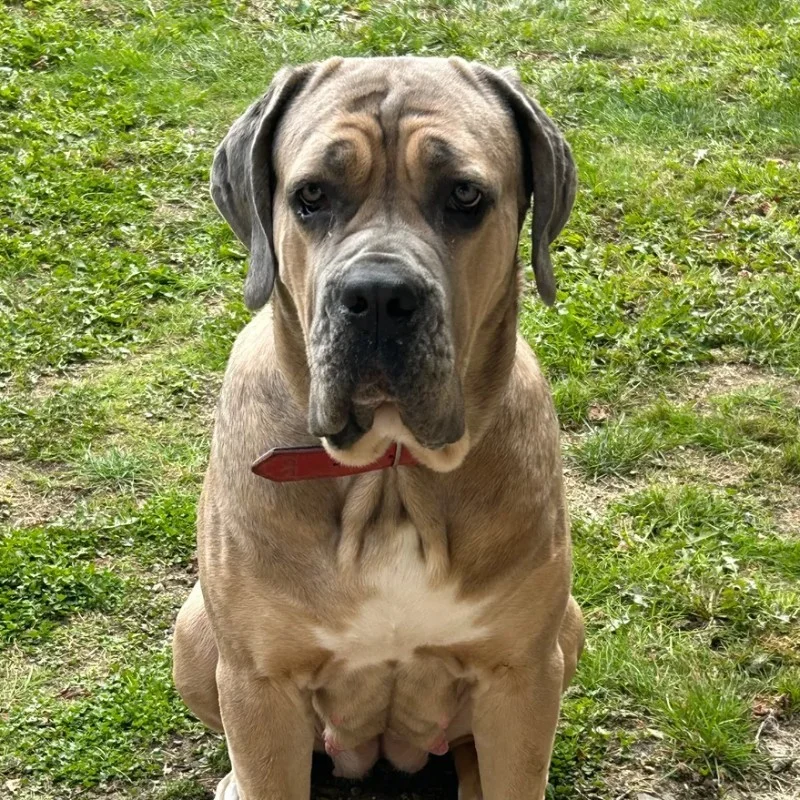
U’Sansa du Clan de Nemausus
FROMENT MASQUE BLEU
France

Octave du Fond de la Chênaie
BLEU
France

Aslan du Royaume des Hauts de Nimes
FROMENT MASQUE BLEU
France

Snoopy du Royaume des Hauts de Nimes
BLEU
France
Breeds from the Same Group
Discover other dog breeds from the same group