
Huskita
Other names: Akita Husky Mix, Husky Akita Mix, Siberian Akita
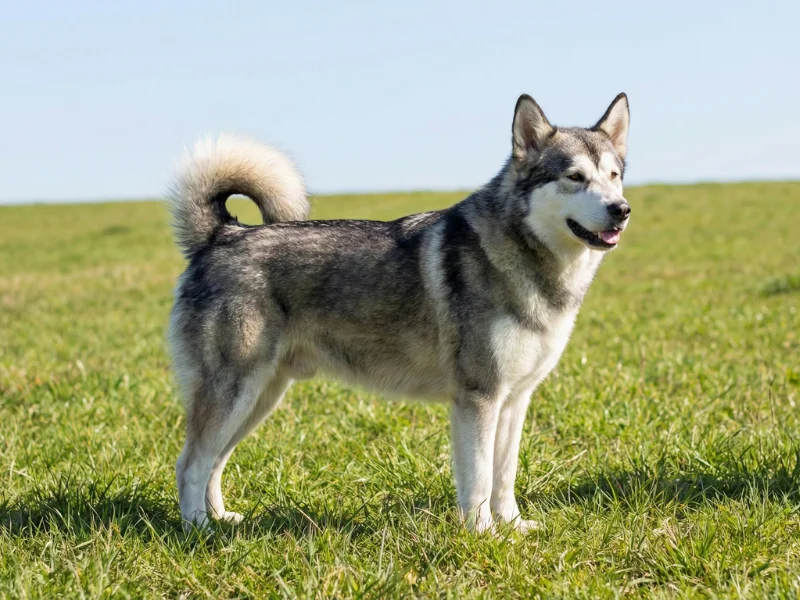
Imposing and fascinating, the Huskita combines the power of the American Akita with the athletic elegance of the Siberian Husky in a remarkable silhouette. This large-sized dog, weighing between 23 and 34 kg and standing 56 to 64 cm at the withers, exudes an impression of contained strength and natural agility. Its well-pro... Read more
Are you a breeder or owner of a Huskita?
Create your free account and request your dog's pedigree in just a few clicks. Use our tools to manage your kennel and select your breeding stock in the best conditions.
Are you a breeder or owner of a Huskita?
Create your free account, manage your kennel and pedigree requests with our tools.
Create my accountHistory & Origin
T he Huskita represents a relatively recent creation in the world of hybrid breeds, emerging in the United States during the 1990s.
Unlike its parent breeds with their rich thousand-year history, this deliberate cross reflects the modern trend of designer dogs combining the specific qualities of two legendary lineages.
The Siberian Husky, one of the foundation breeds, traces its origins to the nomadic tribes of Siberia where it excelled as an enduring sled dog.
Selectively bred for its resistance to extreme cold, its pulling capacity, and its sociable temperament, it accompanied the Chukchi people in their travels across the frozen tundra.
The American Akita, descended from the Japanese Akita Inu, has symbolized loyalty and bravery in Japan for centuries. Originally used for hunting large game such as bear and wild boar, then as a guardian to Japanese nobility, it embodies dignity and protection.
American breeders undertook to combine the legendary endurance and playful spirit of the Husky with the vigilant nature and unwavering loyalty of the Akita.
This careful blending aimed to produce a versatile companion thriving in cold climates, capable of providing both protection and active companionship. The cross also sought to create a robust family dog with a strong work ethic.
Although the Huskita has not achieved official recognition from the American Kennel Club, it has been registered with the Dog Registry of America since the early 2000s.
Its popularity continues to grow steadily among owners seeking an active dog with a strong character.
Today, the Huskita stands proudly as a modern hybrid reflecting the ancient traditions of two distinct cultures while adapting perfectly to contemporary family life.
Our FBKC club offers Huskita breeders a modern alternative with greater flexibility. Officially recognized by the FBKC unlike traditional organizations, register your Huskitas online and obtain four-generation pedigrees through our powerful breeding management tools.
Description
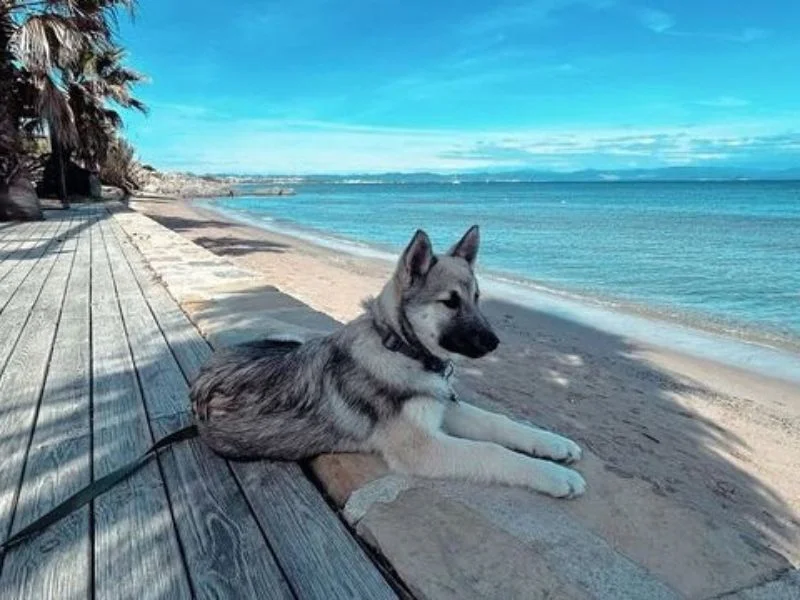
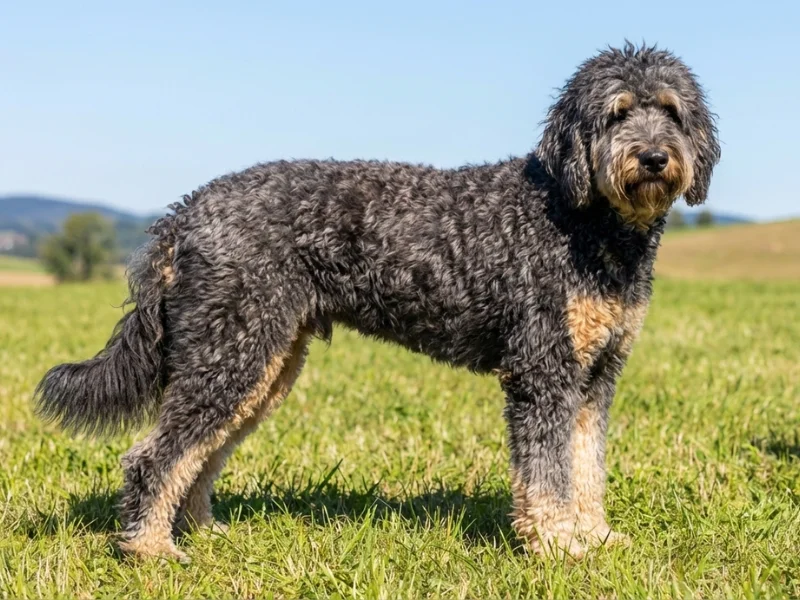
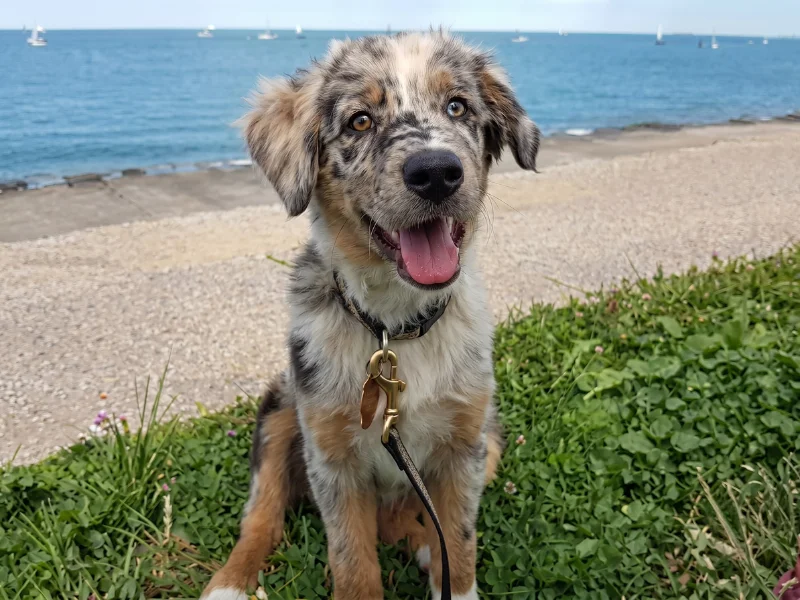
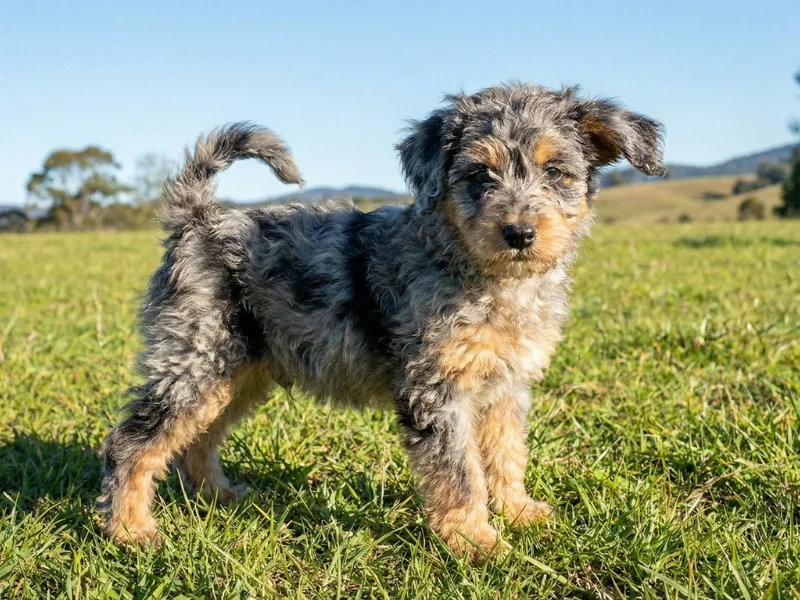
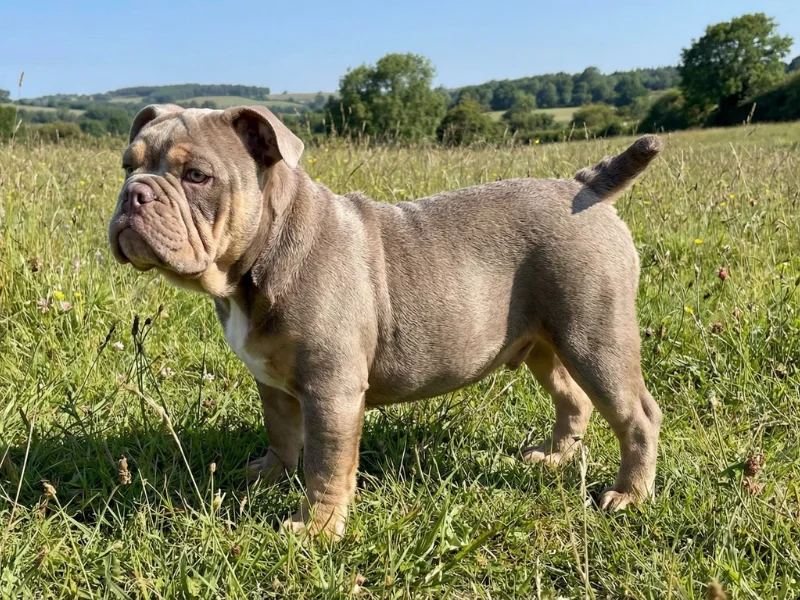
I mposing and fascinating, the Huskita combines the power of the American Akita with the athletic elegance of the Siberian Husky in a remarkable silhouette. This large-sized dog, weighing between 23 and 34 kg and standing 56 to 64 cm at the withers, exudes an impression of contained strength and natural agility. Its well-proportioned muscular build is reminiscent of an endurance athlete, capable of sustained effort.
The broad, well-defined head reflects the nobility of the Akita combined with the piercing gaze of the Husky. Its erect triangular ears, medium-sized and well-spaced, capture the slightest sound with vigilance.
The powerful, slightly tapered muzzle terminates in a black nose. The almond-shaped eyes, brown or blue, sometimes heterochromatic, shine with a captivating intensity that reflects keen intelligence. The bushy tail curls gracefully over the back, a direct inheritance from both parents.
Its dense double coat provides remarkable protection against the elements. The medium to long-length fur comes in a varied palette: black, white, gray, cream, red, or bicolor combinations, often enhanced by characteristic facial masks that accentuate the noble expression.
The thick, soft undercoat is complemented by a slightly harsh outer coat that naturally repels moisture.
Behind this impressive appearance lies a complex and nuanced personality. The Huskita combines the unwavering loyalty and protective instinct of the Akita with the playful curiosity and boundless energy of the Husky.
Intelligent yet independent, affectionate yet reserved with strangers, this well-balanced companion requires an experienced owner capable of channeling its assertive character and considerable need for activity.
Personality
T he Huskita combines the unwavering loyalty of the Akita with the curious and playful spirit of the Husky in a fascinating personality.
Intelligent and alert, this natural guardian observes its surroundings with constant vigilance, initially showing reserve with strangers before bestowing its trust.
Its deep attachment to its family contrasts with its marked independence, which can translate into a certain stubbornness.
Energetic and brimming with vitality, it alternates between moments of enthusiastic play and periods of protective calm. Its balanced temperament requires an experienced owner capable of channeling its assertive character.
Early socialization proves essential to temper its instinct for dominance toward other dogs. Affectionate with its family, it exhibits a considerable need for physical and mental activity to thrive fully.
Photo Gallery
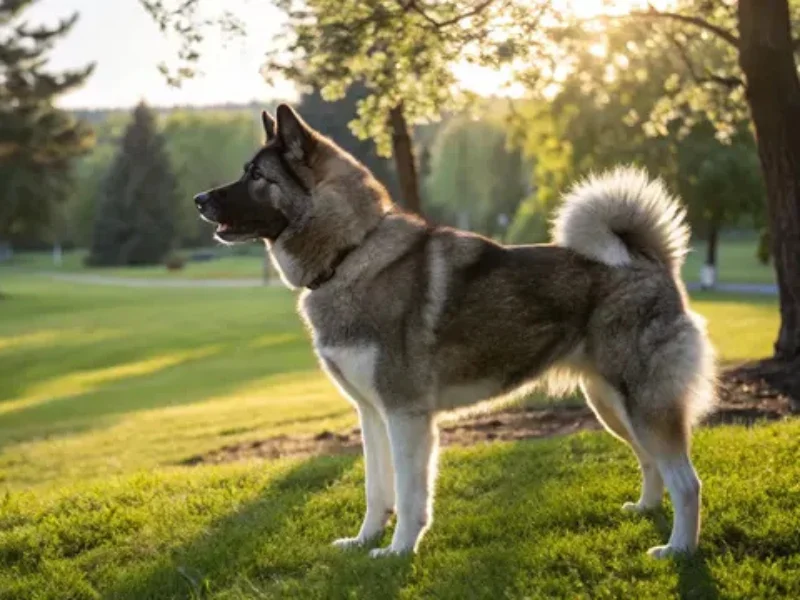
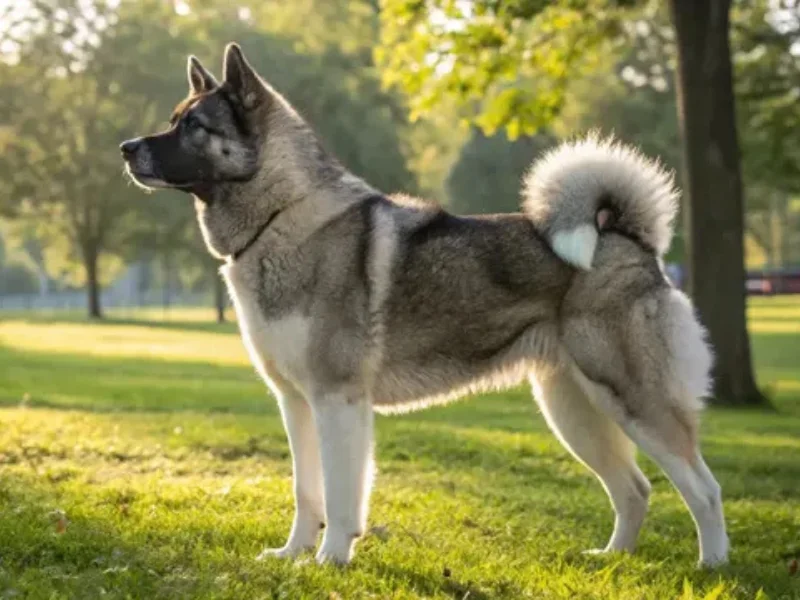
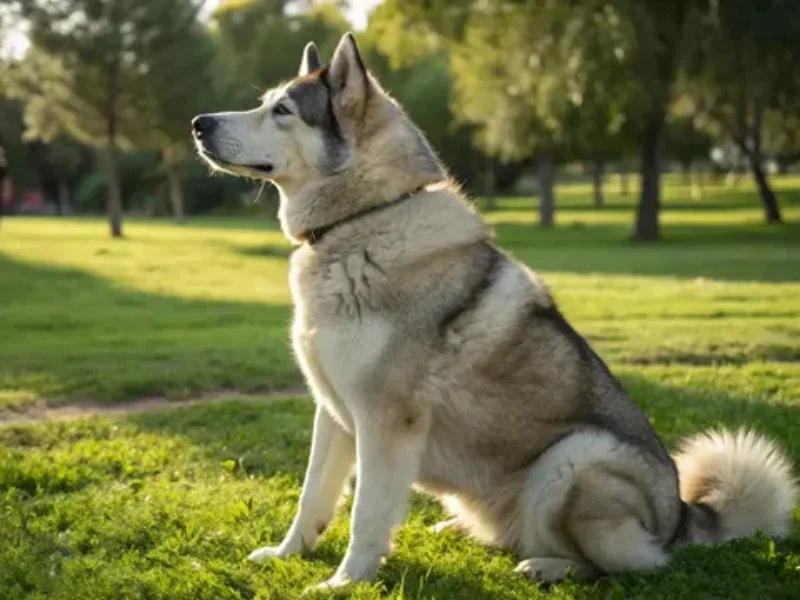


Breed Characteristics
General Information
- Category: Approval
- Origin: United States
- FCI Recognition: No
- Est. monthly upkeep: 80-120
- Daily exercise: 90 minutes
Key Facts
- Height: 56.00 to 64.00 cm
- Weight: 23.00 to 35.00 kg
- Life expectancy: 10 to 14 years
- Average price: 1200.00 to 2500.00 €
-
Grooming frequency:8/10
Training Tips
Begin training at 8 weeks of age using firm positive methods and consistent techniques. This breed's natural independence and keen intelligence require an experienced handler capable of establishing respectful leadership. Intensive socialization with people, children, and other animals from an early age tempers the protective instinct and tendency toward dominance. Patience and consistency are essential when working with this assertive temperament.
Health & Common Conditions
General Health
The Huskita benefits from a robust constitution inherited from its working parent breeds, giving it a life expectancy of 10 to 13 years. Its natural vigor and remarkable endurance reflect a generally sound genetic heritage.
This athletic dog tolerates cold climates well thanks to its insulating double coat and recovers quickly after sustained physical exertion.
As with any large hybrid, particular attention must be paid to joint development during growth. Maintaining an optimal weight preserves long-term mobility.
A calcium-rich diet formulated for large breeds, regular exercise without undue joint stress, and biannual veterinary examinations ensure a long and active life. Prevention remains essential in addressing hereditary predispositions from its parent breeds.
Common Conditions
The Huskita exhibits a predisposition to hip dysplasia, a hereditary condition manifesting through lameness, difficulty rising, or reluctance to exercise.
Screening radiographs and weight management help limit its impact. Idiopathic epilepsy may occur, identifiable by seizures requiring lifelong medication.
Hypothyroidism affects metabolism, causing lethargy, weight gain, and a dull coat. A simple blood test enables diagnosis, and hormone replacement therapy restores balance.
Von Willebrand's disease, a bleeding disorder, and progressive retinal atrophy constitute other potential concerns. Fortunately, genetic testing of breeding stock and attentive veterinary monitoring allow for effective management of these conditions.
Care & Living Environment
Daily Care
The Huskita's dense double coat requires twice-weekly brushing during normal periods with a pin brush and metal comb to reach the undercoat.
During the two seasonal shedding periods in spring and fall, daily brushing becomes essential to manage the heavy hair loss and prevent mat formation. A specific deshedding tool facilitates the removal of dead undercoat.
Baths remain occasional, spaced two to three months apart to preserve the natural protective oils. Nails require monthly trimming, teeth need brushing three times weekly with a canine toothpaste.
The erect ears require inspection and cleaning every two weeks. The heavy shedding period demands patience and perseverance, temporarily transforming the home into a cozy nest of fur.
Recommended Living Environment
The Huskita thrives in a home with a large fenced yard offering space to burn off energy and mental stimulation. Apartment living does not suit this breed due to its size, boundless energy, and considerable exercise requirements.
It excels in cold climates thanks to its insulating coat but does not tolerate excessive heat and humidity well.
Recommended Activities
Tracking games, agility courses, and swimming engage both body and mind. Advanced obedience sessions and search exercises stimulate his keen intelligence while strengthening the bond with his handler.
Frequently Asked Questions
The price of a Huskita ranges from 800 to 2000 euros depending on the breeder's reputation, the parents' lineage, and the health testing performed. This price typically includes initial vaccinations, microchip identification, and registration papers. Specimens from champion bloodlines command prices at the higher end. In addition to the initial investment, expect monthly expenses of 80 to 120 euros covering appropriate nutrition for large breeds, veterinary care, and coat maintenance for their dense double coat.
The Huskita can coexist with children provided there is early socialization and constant supervision. Its large size and exuberant energy may cause it to be clumsy around toddlers. This breed generally displays affection toward children within the family, though its protective nature requires vigilance. Its independent temperament and tendency toward dominance require that children respect its moments of quiet time. This dog is better suited to families with older, responsible children.
The Huskita is not suited for apartment living due to its large size, considerable energy, and daily exercise requirements of 90 to 120 minutes. Its high activity level and tendency to dig or escape when bored absolutely require a large fenced yard. Its vocal nature inherited from the Husky can also cause problems with neighbors. A house with property in a rural or semi-rural environment is the ideal habitat for this active and independent hybrid breed.
The Huskita is not naturally aggressive but possesses a strong protective instinct inherited from the Akita. When properly socialized from an early age, this breed proves loyal and affectionate toward its family. Its natural reserve with strangers and tendency toward dominance with other dogs require firm and consistent training. Its independent temperament may manifest as territorial possessiveness. Intensive socialization and an experienced handler capable of establishing respectful leadership effectively prevent any undesirable behavior.
The Huskita requires between 90 and 120 minutes of intense daily exercise to channel its boundless energy. Long hikes, canicross, pulling sports, and swimming perfectly meet its considerable activity needs. Without sufficient outlet, it develops destructive behaviors such as digging or escaping. This working dog also requires regular mental stimulation through tracking games, agility courses, and advanced obedience sessions. Its sled dog and hunter heritage demands an athletic owner available on a daily basis.
Expert Rating
Overall rating for the Huskita
This overall rating is calculated from 7 key criteria: activity level, trainability, guarding ability, child and animal friendliness, grooming frequency and barking level.
Activity level
Trainability
Sociability
Guarding ability
Parent Breeds
Discover the breeds that make up the Huskita
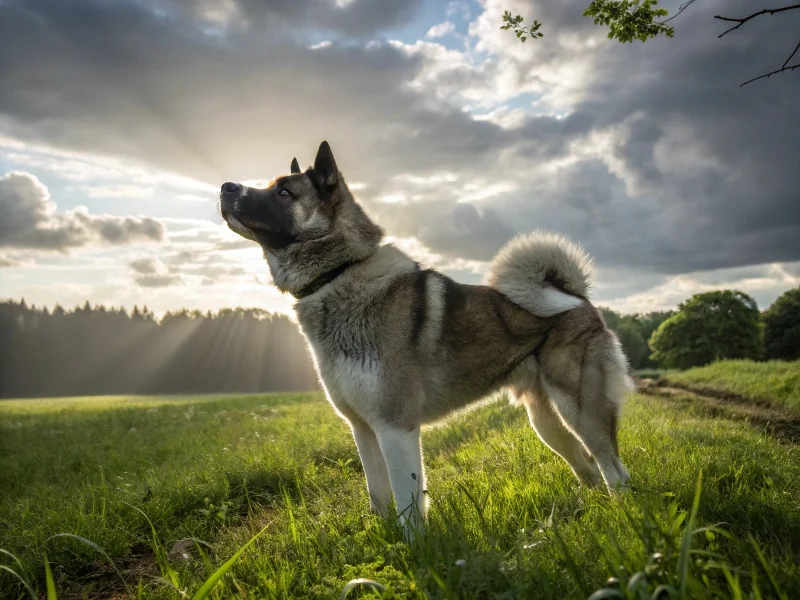
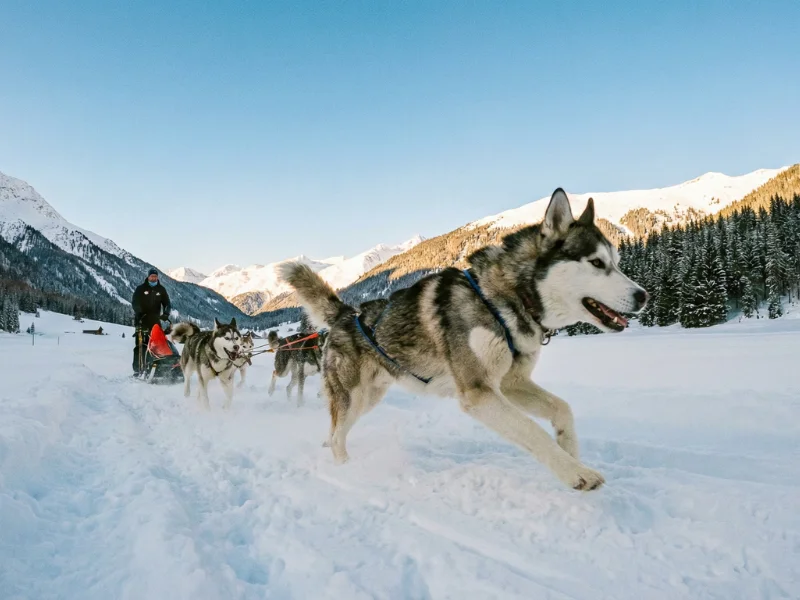
About this crossbreed
The Huskita is the result of a deliberate cross between the Siberian Husky and the American Akita, two working breeds with complementary qualities.
American breeders began this cross in the 1990s to combine the exceptional endurance and energy of the Husky with the unwavering loyalty and protective instinct of the Akita.
This cross was intended to create a versatile companion suited to cold climates, possessing both remarkable athletic ability and a guardian temperament.
Puppies inherit variable traits from each parent, with some leaning more toward the Husky with a more playful temperament, while others favor the Akita with a more reserved nature.
This genetic variability typical of first-generation hybrids makes each Huskita unique.
Although not recognized by the FCI or AKC, the Huskita is registered with several American registries. Our FBKC club officially recognizes this hybrid breed unlike traditional organizations, offering responsible breeders the opportunity to establish traceable pedigrees spanning four generations.
Latest registered Huskita
Dogs of this breed recently added to the FBKC registry

Élevage des Terres de Réha Akira
Gri.Agouti
France
Élevage des Terres de Réha Carmela
Gri.Agouti
France
Élevage des Terres de Réha Goku
Gri.Agouti
France
Élevage des Terres de Réha Amour
NOIR GRIS HUSKY PAN BLANC
France
Other Non-FCI Recognised Breeds
Discover other breeds not officially recognised by the FCI