


Dog-to-Human Diseases: The Risks Vets Won't Say
Can your dog actually make you sick? The answer is yes, and it deserves a clear, level-headed explanation, not panic.
Some diseases genuinely do pass from dogs to humans, but the real risks are often misunderstood or blown out of proportion. Most are easy to prevent with a few simple daily habits.
Here are the diseases involved, and what actually protects you.
Can Dogs Really Pass Diseases to Humans?
Yes, it can really happen. Every year, dogs pass certain germs to their owners, often without anyone realizing it. The risk stays rare, well documented, and easy to manage with a few simple habits.
• How Animal-to-Human Transmission Works
A zoonotic infection is a pathogen that jumps from animals to humans. In dogs, transmission follows several direct paths. Saliva, through a bite or a lick on an open wound, can be enough on its own. Scratches open another way in. Some parasites spread through contact with feces or contaminated soil.
Others travel through standing water, as with leptospirosis. Even a healthy looking dog can carry one of these agents without any visible sign.
The CDC tracks these transmission routes closely across the country. Close contact with an animal raises exposure, but it does not guarantee infection.
• Who's Most at Risk?
Some people face higher exposure than others. Young children often touch their mouths right after petting a dog. Older adults and people with weakened immune systems tend to react more strongly to an infection a healthy adult would barely notice. Pregnant women also fall into this closer watch group.
A well cared for dog rarely poses a real threat. Good hygiene, regular deworming, and routine vet visits cut the risk significantly.
Check out our well being page for the habits that protect both your dog and your family.

Common Bacterial Infections From Dogs
Bacteria make up the most common family of canine zoonoses. Three infections show up again and again in vet clinics: one linked to dirty water, one tied to food, and one caused by a simple scratch. Here's how to spot each one and stay protected.
• Leptospirosis: The Hidden Water Hazard
Leptospirosis comes from bacteria that live in the urine of infected rodents. It spreads easily through standing water, puddles, ponds, and slow moving rivers. A dog that drinks or swims in contaminated water picks it up fast. The bacteria enter through a small cut or a mucous membrane, in dogs and humans alike.
Symptoms range from a mild fever to serious kidney damage. A vaccine protects dogs that spend time near water regularly. After a walk by a pond, drying your dog off thoroughly already cuts the risk.
• Salmonella: Not Just a Food Problem
Salmonella isn't just about recalled kibble bags. It also spreads through raw diets, dried treats, and the waste of a dog carrying the bacteria without any symptoms. In people, it usually causes diarrhea, vomiting, and fever. Children and people with weaker immune systems react more strongly to it.
Good hand hygiene after handling food bowls, kibble, or litter breaks the chain most of the time. Keeping food cool and wiping down surfaces regularly cuts the risk even further at home.
• Cat Scratch Disease (Dogs Carry It Too)
This condition carries the cat's name, but dogs can pass it on too, though rarely. Bartonella henselae bacteria travel through fleas, then reach humans through a scratch or a bite. A small red mark shows up first, sometimes followed by a swollen lymph node for a few weeks.
Most healthy adults recover without any lasting issue at all. People with weakened immune systems need to stay more careful. Regular flea treatment and cleaning any scratch right away go a long way in cutting exposure.

Parasites and Worms: The Silent Threat
Some risks stay completely invisible. Mites, ticks, and intestinal worms take advantage of everyday contact with a dog to reach humans. Rarely serious, these parasites still deserve real attention, especially around children and people with weaker immune systems.
• Mange and Tick-Borne Risks
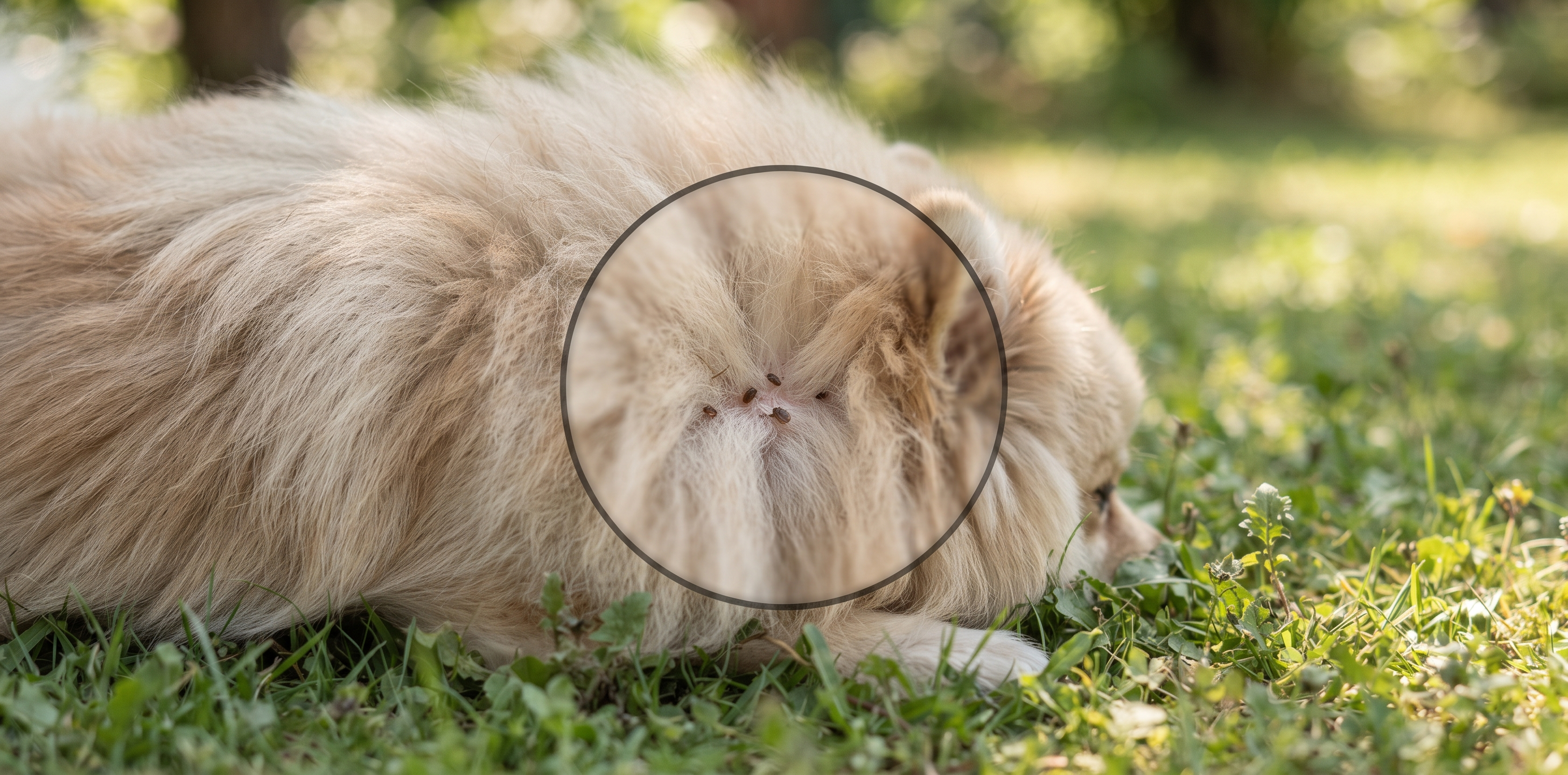
Sarcoptic mange is a skin condition caused by a microscopic mite. An infested dog can pass it to its owner through close, regular contact. On human skin, the mite can't reproduce, and the itching clears up on its own within days. Ticks work differently, and they deserve their own attention.
A dog can't pass Lyme disease straight to its owner, but a tick that drops off its coat can later bite a person nearby instead. Regular antiparasitic treatment cuts both risks significantly, indoors and outdoors, all year round.
• Intestinal Worms (Toxocariasis)
Intestinal worms, especially Toxocara canis, lay eggs that leave the body through a dog's stool. These eggs survive for months in soil or sand, exactly where kids love to play. Accidental ingestion can cause digestive trouble or, less often, affect the eyes.
Regular deworming, especially in puppies, cuts this risk sharply over time. A responsible breeder deworms every litter before adoption, starting in the first weeks of life.
Picking up waste quickly in the yard or at the park rounds out this everyday prevention nicely.
Rabies and Viruses: What Actually Matters
Rabies remains the most feared virus, and for good reason. Other canine viruses are far more reassuring, most never cross over to humans at all. Here's what the current situation actually calls for, without giving in to panic.
• Rabies Today: How Real Is the Risk?
The United States has been free of dog maintained rabies since 2007, a major public health milestone. Nearly all human cases still recorded each year come from bites abroad, or from wildlife like bats, raccoons, and foxes at home. Once symptoms appear in a person, this illness remains almost always fatal, with no real treatment available at that stage.
The CDC tracks every suspected case and travel related exposure closely across the country. A dog with up to date vaccination, especially before international travel, removes nearly all of this risk for the whole household.
• Other Canine Viruses to Watch
Here's the reassuring part, most canine viruses stay confined to dogs. Parvovirus and canine distemper, highly contagious between dogs, never cross over to humans at all. These are entirely different agents from anything that infects people.
Kennel cough follows the same pattern and poses no real risk to owners day to day. Vaccinating your dog mainly protects its own health, not yours directly. Outside of rabies, no common canine virus poses a serious everyday threat to humans or their families.
How to Stay Safe Without Giving Up Your Dog
Staying safe doesn't mean cutting back on cuddles or walks. A few simple habits, repeated daily, take care of most of the risk. Here are the habits that actually matter, without turning your dog into a constant source of worry.
• Everyday Hygiene Habits That Work
Hand washing remains the single most effective habit, after petting, after mealtime, after picking up waste. Keep your dog from licking your face or an open wound, especially around young children. Clean bowls, toys, and bedding regularly with a suitable product.
Store food properly and wipe down surfaces after handling kibble or raw meals. For people with weaker immune systems, disinfecting every scratch or bite right away, even a small one, makes a real difference. These habits take seconds, but they pay off over time.
• Vaccines and Vet Checkups
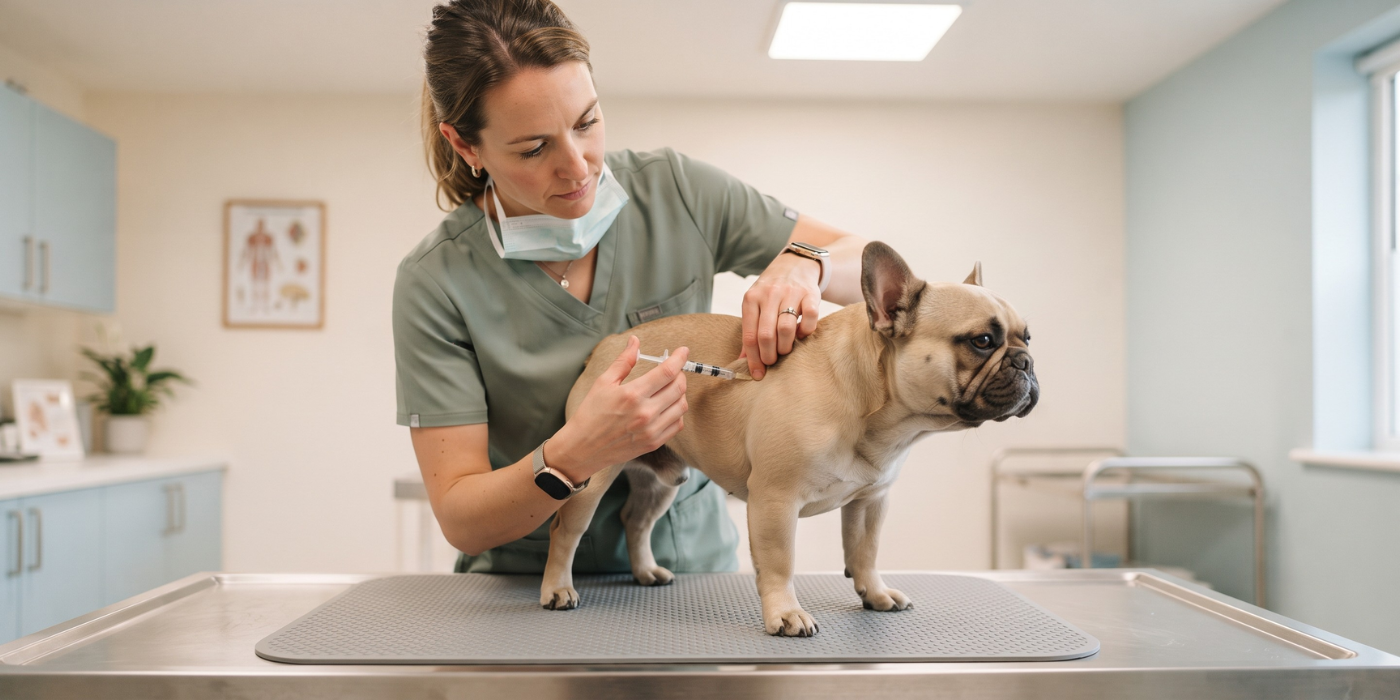
Vaccination remains the best protection, for your dog and for you. Rabies, leptospirosis, parvovirus, and distemper make up the core protocol most vets recommend. Regular boosters keep immunity strong throughout the year. External and internal deworming rounds out this routine, especially in spring and summer.
An annual vet visit catches health issues early, before they get worse or pose any risk to the household. This steady routine is really the foundation of a relaxed, worry free relationship with your dog.
• Warning Signs You Shouldn't Ignore
Some signs call for a quick check, in your dog and in yourself. Unusual fever, sudden fatigue, ongoing diarrhea, or skin lesions in your dog deserve attention. After a scratch or bite, watch for redness, a swollen lymph node, or fever in the days that follow.
If something unexpected shows up after contact with your dog, mention it to your doctor right away. That single detail often speeds up diagnosis far more than people realize, and puts everyone's mind at ease quickly.

Frequently asked questions
Yes, some bacterial, viral, or parasitic infections can pass from dogs to humans.
The risk stays low and is easy to prevent with good hygiene and regular vet checkups.
Yes, this bacteria lives in contaminated water and can cause fever or kidney damage in humans. A vaccine protects dogs exposed to puddles, ponds, and rivers.
Dog maintained rabies has been eliminated in the US since 2007. Remaining cases usually come from wildlife or travel abroad. Vaccinating before travel removes most of the risk.
Worms like Toxocara canis release eggs in dog stool that survive for months in soil. Accidental ingestion, especially in children, can cause a digestive infection.
Washing your hands, avoiding face licks, keeping vaccines current, and yearly vet visits cut everyday risk significantly.
Breeds mentioned in this article