


How to Become a Dog Breeder in Europe: 2026 Guide
Becoming a dog breeder in Europe appeals to more people every year, but the rules differ sharply from one country to the next and keep shifting in 2026.
Which country? What paperwork? Which new regulations? The real question isn't whether you can, it's where and how.
This guide answers that clearly: the shared EU framework, the national differences and the latest reforms, country by country.
What Being a Breeder Actually Involves
Breeding dogs sparks plenty of dreams, but the reality goes far beyond a basket of adorable puppies. Behind the project sits a real profession built on responsibility, knowledge and daily commitment. Here is what truly defines this activity today.
• Hobby Breeder or Professional: Where's the Line?
The line usually comes down to one figure: how many litters you sell each year. In France, the very first sale already places you inside a clear legal framework. A single yearly litter, with pedigree puppies, qualifies for a lighter hobby status.
Cross that point and your status shifts to professional, with registration and a business number. Every European country sets its own thresholds, which changes everything depending on where you settle. Knowing this line upfront saves you from nasty surprises.
• Breeding for Passion vs. for Profit
Most people start out of love for a breed and spend hours with their dogs. That passion stays the engine, yet it never works alone. Some focus on recognised traditional breeds, while others back fast growing hybrid breeds.
Before long, running a breeding program feels like running a small business: accounting, contracts, vet care and welcoming families. The enthusiast becomes a manager without ever losing touch with the animals. Balancing both is what makes the project worthwhile.
• The Skills You Need Today
The job calls for a broad set of skills. Genetics, nutrition and puppy socialisation form the technical core. Understanding the goals behind a cross also guides better decisions, as our article on hybrid breeds explains.
Human qualities matter just as much: patience, rigour and people skills. A good breeder advises future families and offers honest follow up. Ongoing learning stays the surest way to improve and earn the trust of adopters.

One EU Framework, Many National Rules
Europe now shares a common baseline to protect dogs, yet each country keeps its own room to manoeuvre. Identification, health, welfare: some rules apply everywhere, others shift at the border. Grasping this shared base helps you see clearly before picking a country.
• Microchipping, Pet Passports and Animal Health
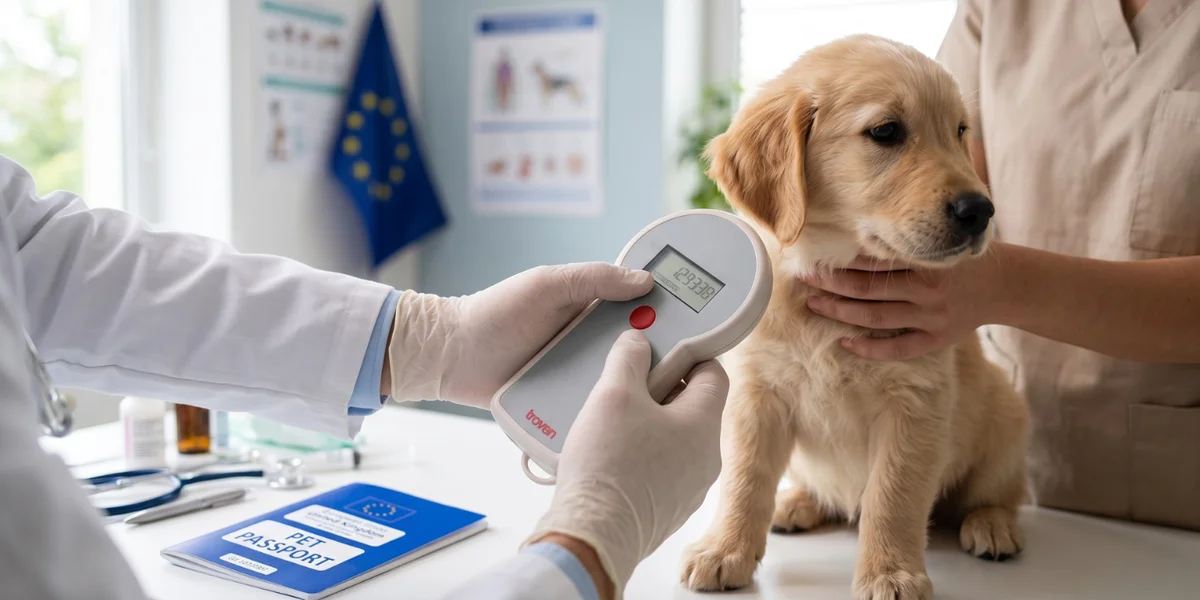
Any dog moving across the Union must carry a microchip and hold a European pet passport. That document records the animal's identity and vaccines, including rabies, required to cross any border. These rules apply everywhere, with no exception.
National databases are gradually becoming interoperable between countries. A puppy registered in France stays traceable elsewhere in Europe. For the future professional, mastering identification from birth makes every sale and every trip far smoother.
• The Welfare Baseline Set by the EU
In late 2025, Europe approved its first common rules on dog welfare. They set clear minimums inside breeding facilities: space, temperature, water, food and stimulation. Training also becomes mandatory for anyone overseeing reproduction.
This baseline targets commercial operations, not the owner placing a single litter every eighteen months. Our page on dog well-being explains our approach. Planning ahead for these standards is a real advantage.
• Pedigrees and Registries: Beyond the FCI
A pedigree certifies a dog's official ancestry. In France, the LOF plays that role, like other national stud books across Europe. Each country runs its own reference registry, often tied to the large international federation.
Yet that model leaves gaps. Many traditional and hybrid breeds sit outside these frameworks. Alternative registries like ours then step in, giving the breeder solid recognition for bloodlines that classic books still overlook.
Sharply Different Legal Regimes
Beyond the European baseline, every country draws its own lines. A simple declaration here, a strict licence there, plus varied taxes and training: the gaps are real. Yet a shared floor against abuse now applies everywhere.
• Registration, Licensing and Status
Depending on the country, the entry point shifts completely. In France, a simple declaration gets you started, with a status that changes from the first sale. In the United Kingdom, you must secure a licence from the local council.
That British licence kicks in at three litters a year, or sooner if the activity looks like a business. Legal status therefore differs sharply across borders. Checking the exact regime of your target country before any commitment pays off.
• Thresholds, Taxes and Running Costs
The thresholds that tip you into professional status vary widely. Number of litters, of females or of sales: each country sets its own markers. In France, going past one litter a year already triggers tax and social obligations.
Costs differ just as much. A British licence is paid yearly, often several hundred pounds, with a vet inspection on top. Elsewhere, social contributions weigh more. Working out these charges before picking a country protects your bottom line.
📋 The Basic Rules, Country by Country
A quick reference to place each market before you choose. The listed threshold triggers the shift to professional status.
| Country | Threshold & status | Training | Key point |
|---|---|---|---|
| France | Declaration from the first sale, business number above one litter a year | ACACED course (14 h) mandatory, even for hobby | Lighter regime for a single pedigree litter per year |
| Belgium | Up to 3 litters a year without pro status | Proven competence for the permit | Regional permit needed for regular activity |
| United Kingdom | Local licence at 3 litters a year, or the "business test" | Welfare conditions to prove | Around £250 to £700 a year, plus a vet inspection |
| Germany | §11 permit (welfare law) for commercial activity | Competence proven before the vet office | Dangerous breeds heavily restricted |
| Austria | Among the strictest frameworks in Europe | Health tests to document | Breeding dogs with genetic disorders banned from 2026 |
| Sweden | Very high housing standards | Competence and follow up required | Welfare first, frequent inspections |
Thresholds and obligations change fast. Always check the current rule in your target country before starting.
• Required Training and Qualifications
Training is not optional everywhere. In France, the ACACED certificate stays mandatory, even for hobby activity, with fourteen hours of coursework. Other countries ask for vet approval or a recognised qualification before allowing reproduction.
The new European rule goes further and makes training compulsory for any breeder overseeing reproduction. Getting qualified early becomes a smart move. It reassures families and prepares you for the inspections now multiplying across Europe.

The New Laws Reshaping the Field
Dog breeding is entering a new era. Europe has set its first common rules, while several countries tighten their own in parallel. Welfare, traceability, online sales: almost everything is shifting. Here are the changes that truly matter for anyone starting out today.
• The Welfare Crackdown
Europe has set clear minimums inside breeding facilities: space, temperature, food and stimulation. Breeding between close relatives is being curbed, along with the most contested practices. Training also becomes mandatory for anyone overseeing the birth of puppies.
Several countries tighten the screws too, especially on so called sensitive breeds. France, for instance, is reviewing the status of the American Bully, as our dedicated article on its classification explains. Tracking these shifts keeps you clear of nasty surprises.
• Sales, Traceability and Online Platforms
Today, nearly six adoptions out of ten happen online. The new rules therefore tightly frame online sales. Only identified and registered dogs may appear in a listing, and the seller must register too.
Traceability becomes the standard: a microchip before any transfer and entry in a national database. Selling through pet shops is also fading fast. For a serious project, these rules push out shady competition and reward transparent, declared work.
• What Really Changes in 2025-2026
The European deal, sealed in late 2025, starts the countdown. Professionals get about four years to comply, time to adapt their facilities and records. Microchipping, meanwhile, gradually extends to every dog.
For any future breeder, the message is simple: get ahead. Identifying each puppy, caring for housing conditions and training now sets up the rest with confidence. Those who plan early will meet these reforms as a strength, not a burden.

Where to Set Up in Europe? A Comparison
That leaves the big question: where to settle? From one country to the next, access to the trade swings completely. Some throw the door wide open, others regulate every detail. Here are the markers to place each market and pick the territory that fits your plan.
• The Most Accessible Countries
Several countries keep a flexible entry point. In Belgium, Denmark, Germany, the Czech Republic and the United Kingdom, you can produce up to three litters a year without professional status. Enough to start gently, on a small scale.
That flexibility naturally appeals to newcomers. A detailed European comparison, like this country by country overview, helps you see clearly. Testing your project calmly becomes possible before any major commitment, with no crushing paperwork upfront.
• The Most Tightly Regulated Markets
At the other end, some countries control every detail. Austria has tightened its welfare law, taking effect from 2026, banning the breeding of dogs that carry genetic disorders. Paperwork is required to prove it.
Sweden, Germany and Switzerland also enforce strict standards, sometimes even banning the showing of certain breeds. These markets demand rigour and investment. In return, they strongly reward serious, recognised work in the eyes of families.
• Matching the Country to Your Plan
The right country depends first on your ambition. For a small scale passion project, a flexible framework is plenty. For a structured commercial activity, a clear country, even a demanding one, secures every step over the long run.
The chosen breed matters too: some stay sensitive under local laws. A savvy future breeder weighs taxes, training and dog type before deciding. Our team stays by your side to support that choice, wherever you settle.

Video
Frequently asked questions
No diploma is required, but training is. In France, the ACACED certificate stays mandatory, even for hobby breeding, with fourteen hours of coursework. The new EU rule also makes training compulsory for anyone overseeing reproduction.
In France, selling a single litter a year with pedigree puppies keeps you under a lighter hobby regime. From the second yearly litter, or for non pedigree puppies, a declaration and a business number become mandatory.
Several countries keep a flexible entry. In Belgium, Denmark, Germany, the Czech Republic and the United Kingdom, you can produce up to three litters a year without professional status, ideal for starting on a small scale.
In late 2025, Europe agreed its first common rules: mandatory microchipping and registration before any sale, minimum welfare standards in kennels, compulsory training and tighter online sales. Breeders get about four years to comply.
The American Bully is not banned in France, and no law names it directly. It can still be classified as Category 1 or 2 based on its build, after a vet diagnosis. A review of its status was confirmed in 2025.


Breeds mentioned in this article