
Labrador Retriever
Other names: Labrador Retriever, Retriever du Labrador, Lab, Chien de Saint-John
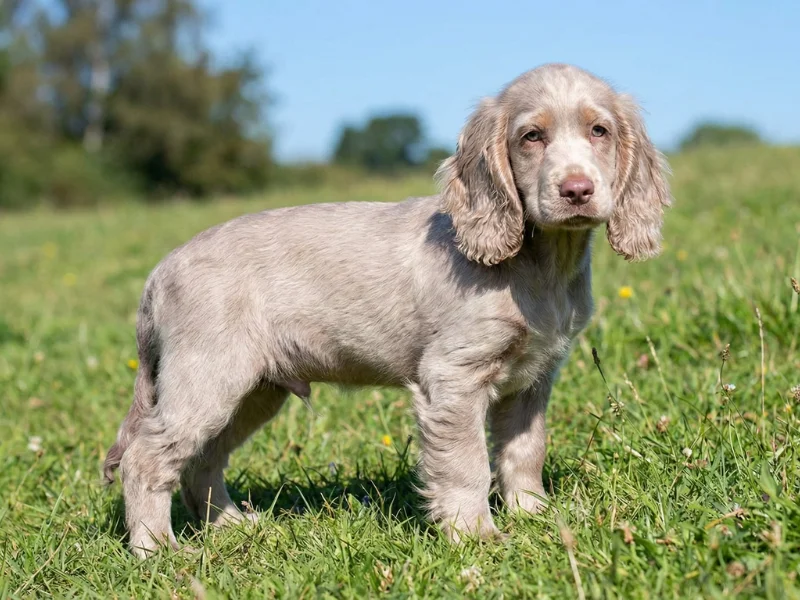
Impossible to resist the charm of this companion with his gentle gaze and perpetually jovial expression! The Labrador Retriever captivates with his sturdy and well-balanced silhouette, his powerful build without excessive heaviness. Of medium size, he displays balanced proportions that reflect his natural a... Read more
Are you a breeder or owner of a Labrador Retriever?
Create your free account and request your dog's pedigree in just a few clicks. Use our tools to manage your kennel and select your breeding stock in the best conditions.
Are you a breeder or owner of a Labrador Retriever?
Create your free account, manage your kennel and pedigree requests with our tools.
Create my accountHistory & Origin
T he Labrador's story begins on the foggy shores of Newfoundland, Canada, in the 18th century. There, cod fishermen relied on the St. John's dog, the direct ancestor of today's Labrador.
These courageous companions helped retrieve fish that escaped from nets and even hauled boats to shore.
In 1814, British sailors discovered these exceptional dogs and brought them back to England. Colonel Peter Hawker and the Earl of Malmesbury were captivated by these outstanding retrievers.
It was the Earl of Malmesbury who named the breed "Labrador," likely in reference to the Canadian province. Beginning in 1822, meticulous selective breeding commenced, including crosses with British hunting dogs such as the Pointer.
The Kennel Club (UK) officially recognized the breed in 1903, marking a decisive milestone. The first breed club was established in 1916, thanks to Countess Lorna Howe, who drafted the first breed standard. Initially, only black Labradors existed.
The yellow color appeared in 1899 and gained recognition in 1923, followed shortly by chocolate. The first specimens arrived in France as early as 1896, and the Retriever Club of France was founded in 1911.
Today, the Labrador ranks among the most popular breeds worldwide, both as a family companion and as an assistance, search and rescue, or detection dog.
We offer the opportunity to register your Labradors with FBKC, a modern alternative providing greater flexibility for breeders. Obtain a four-generation pedigree using our online tools.
Description
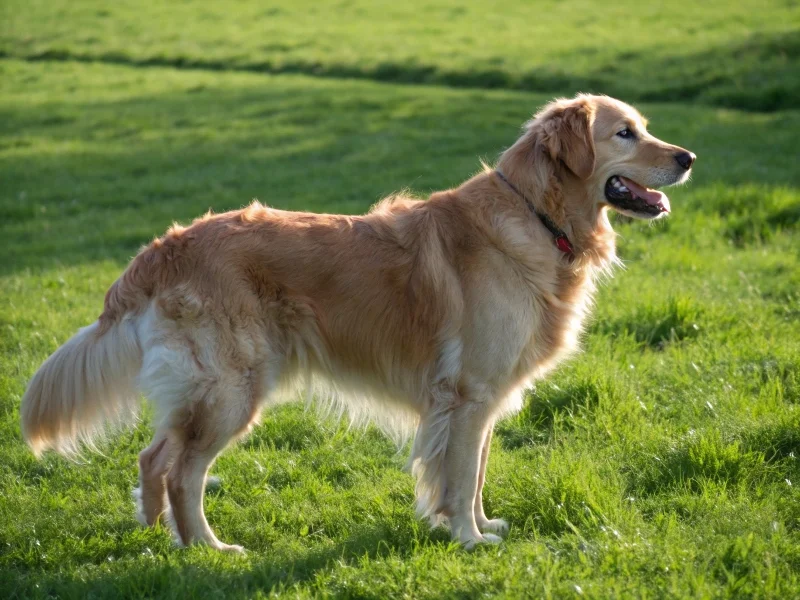
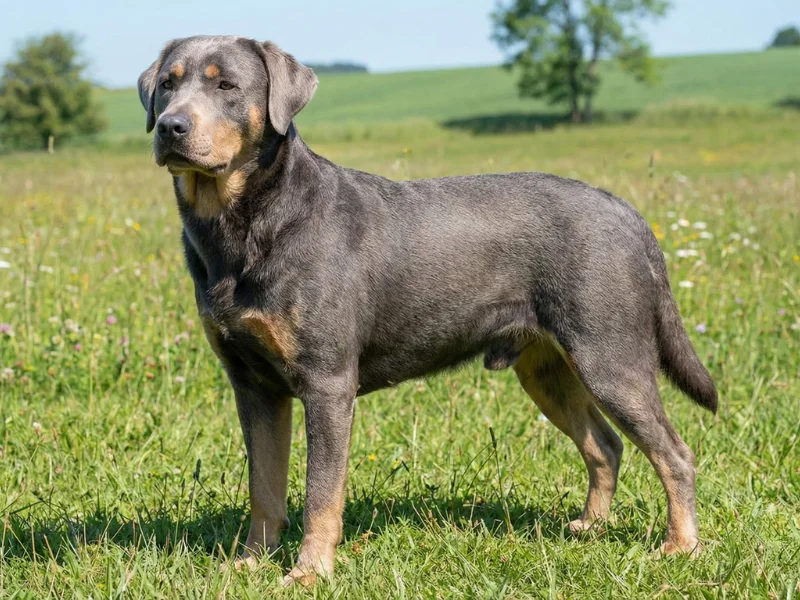
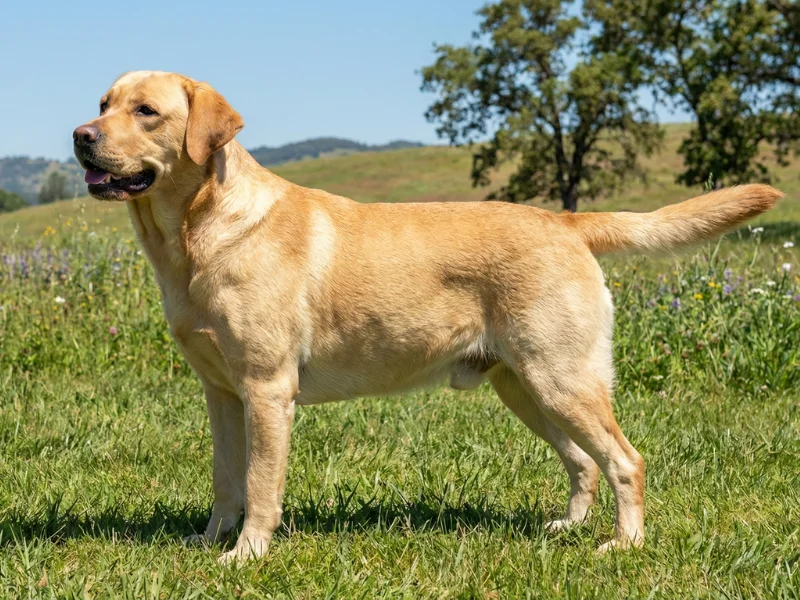
I mpossible to resist the charm of this companion with his gentle gaze and perpetually jovial expression! The Labrador Retriever captivates with his sturdy and well-balanced silhouette, his powerful build without excessive heaviness. Of medium size, he displays balanced proportions that reflect his natural athletic abilities.
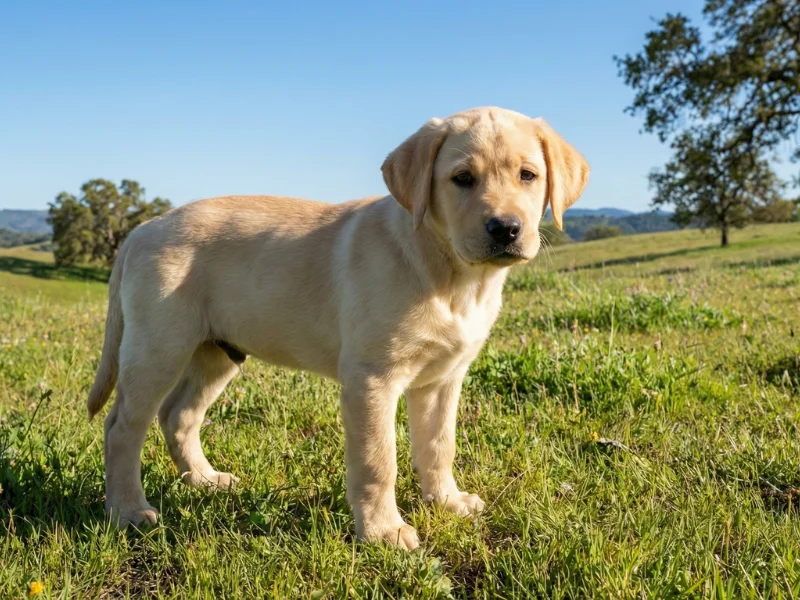
His short, dense coat with a slightly harsh texture serves as true armor against the elements. The water-resistant undercoat reveals his origins as a tireless water worker. The coat comes in three solid colors: deep black, yellow ranging from pale cream to rich fox-red, or warm chocolate. His broad head with a well-defined skull features almond-shaped eyes of hazel or brown, brimming with kindness. The pendant ears frame his expressive face harmoniously.
The famous otter tail represents his distinctive trademark: thick at the base, tapering toward the tip, it serves as a rudder during his aquatic adventures.
With his broad chest, well-sprung ribs, and strongly built limbs, this natural swimmer combines athleticism and endurance. His radiant temperament works wonders with families: affectionate without being intrusive, playful without being boisterous, he displays legendary patience with children while remaining watchful and devoted.
Personality
T he Labrador embodies the very definition of the ideal family companion. Its well-balanced temperament combines natural gentleness with an infectious energy that brightens every day.
Deeply devoted to its family, it willingly follows its humans from room to room, expressing affection through tender gazes and loving physical contact.
Its legendary patience with children is truly remarkable: it tolerates their play with admirable forbearance, seamlessly transitioning from confidant to cuddle partner to adventure companion.
Its keen intelligence greatly facilitates training, while its natural eagerness to please makes education a rewarding experience. Sociable by nature, it greets visitors with enthusiasm yet without aggression.
A tireless playmate, it retains its puppy spirit well beyond adolescence. Its retrieving instinct manifests daily: balls, sticks, or toys become occasions for shared play sessions.
Be mindful, however, of its notorious food drive, which requires constant vigilance! This spirited nature is accompanied by a surprising sensitivity: capable of perceiving its owners' emotions, it intuitively adapts its behavior to any situation.
Photo Gallery


Breed Characteristics
General Information
- Category: Hunting
- Origin: Canada
- FCI Recognition: Yes (Group 8)
- Est. monthly upkeep: 80-100
- Daily exercise: 90 minutes
Key Facts
- Height: 54.00 to 57.00 cm
- Weight: 25.00 to 40.00 kg
- Life expectancy: 10 to 12 years
- Average price: 1000.00 to 1800.00 €
-
Grooming frequency:3/10
Training Tips
Begin as soon as the puppy arrives home, ideally around 8 weeks of age. The positive reinforcement method based on rewards works wonderfully with this naturally cooperative dog. Treats, enthusiastic praise, and play transform training into quality bonding time. His food motivation becomes a valuable asset here! Focus on short, engaging sessions to maintain his attention. Early socialization with people, other dogs, and varied environments develops a well-balanced adult. Pay particular attention to recall training, as his retrieving instinct may lead him to wander far afield. Be consistent in your commands: this intelligent dog learns quickly but appreciates consistency.
Health & Common Conditions
General Health
The Labrador displays an overall robust constitution that allows him to fully enjoy life for approximately ten years. His working dog heritage provides him with natural endurance and notable resistance to varied weather conditions.
His water-resistant coat and dense undercoat effectively protect him against cold and moisture.
However, his naturally solid build and voracious appetite represent a challenge that requires careful monitoring. Excess weight quickly threatens this unrepentant food lover if diet is not strictly controlled.
As with medium to large-sized dogs, his joints deserve particular attention, especially during growth. Regular veterinary visits, ideally annual, allow for early detection of potential health concerns.
A balanced diet suited to his activity level, sufficient daily exercise, and optimal weight constitute the pillars of a long, healthy life. Hip and elbow evaluations in breeding stock contribute to the continuous improvement of breed health.
Common Conditions
Hip and elbow dysplasia rank among the primary hereditary concerns in the Labrador. This progressive joint malformation can cause lameness and discomfort.
Radiographic screening of breeding stock and maintaining optimal weight considerably reduce the risks. Progressive retinal atrophy, a degenerative eye condition, also affects certain lines and warrants regular ophthalmologic examinations.
Limber tail syndrome, also known as "cold water tail," sometimes occurs following prolonged swimming in cold water. The pendant ears predispose to recurrent otitis, requiring regular preventive cleaning.
Additionally, a genetic tendency toward obesity predisposes to various metabolic and joint complications.
Fortunately, responsible selection, available health testing, and proactive prevention now make it possible to minimize the impact of these conditions. Attentive veterinary care and informed breeding decisions help ensure years of shared happiness.
Care & Living Environment
Daily Care
Grooming the Labrador remains remarkably straightforward despite its dense coat. A weekly brushing is typically sufficient to maintain a lustrous coat and remove dead hair.
However, during spring and fall shedding seasons, daily brushing becomes necessary as hair loss intensifies considerably! These periods require patience and frequent vacuuming.
The pendant ears require regular monitoring: weekly cleaning with an appropriate solution effectively prevents infections.
Dental hygiene also warrants attention: brushing several times weekly or alternative solutions such as dental chews help limit tartar buildup. Nails generally wear down naturally if the dog exercises regularly on hard surfaces; otherwise, monthly trimming is required.
After each swim, particularly in cold water, thorough drying of the base of the tail prevents "limber tail" syndrome. Eyes require occasional cleaning with a sterile pad.
Overall, this low-maintenance companion allows owners to fully enjoy its company without tedious grooming rituals.
Recommended Living Environment
A house with a fenced yard represents the ideal environment for this natural athlete. There he finds the space necessary for his daily play and exploration.
However, apartment living remains possible provided that long and varied outings are guaranteed, at least two hours daily.
This versatile dog adapts remarkably well to temperate to cold climates thanks to his protective coat. City or countryside, the environment matters less than the regular presence of his family and opportunities to expend energy.
Note: prolonged solitude weighs heavily on him and can lead to undesirable behaviors.
Recommended Activities
Agility, canicross, and tracking effectively channel his boundless energy while stimulating his intelligence. Exploratory walks in the forest satisfy his need for scent-based discoveries.
Also consider mental activities: search games, hide-and-seek with treats, or learning fun tricks. This enthusiastic worker particularly enjoys game retrieval disciplines that showcase his ancestral abilities.
Musical freestyle harmoniously combines physical exercise and partnership.
Frequently Asked Questions
The Labrador represents the ideal family companion thanks to its natural patience and legendary gentleness. It adores children and tolerates their play with admirable forbearance. Its playful temperament makes it an excellent partner for family activities. However, be mindful of its puppy exuberance, which could inadvertently knock over small children.
The Labrador's legendary appetite requires constant vigilance! An active adult typically consumes between 300 and 450 grams of kibble daily, divided into two meals. This amount varies based on age, weight, and activity level. Adjust portions to maintain optimal weight: you should be able to feel the ribs beneath your fingertips without them being visible.
This natural athlete requires a minimum of 1.5 to 2 hours of daily activity to thrive fully. Brisk walks, retrieving games, and swimming make up his ideal exercise program. Without sufficient exercise, he may gain weight quickly or develop undesirable behaviors due to boredom. Swimming remains his favorite activity, providing harmonious exercise for his entire body.
Yes, provided his exercise needs are met! Apartment living is suitable if you ensure long and varied outings several times a day. This versatile dog adapts remarkably well to urban environments. Access to a yard is an appreciated bonus but not essential. Regular presence of his family and opportunities to expend energy matter more than the size of the living space.
Expert Rating
Overall rating for the Labrador Retriever
This overall rating is calculated from 7 key criteria: activity level, trainability, guarding ability, child and animal friendliness, grooming frequency and barking level.
A 10-point bonus is added as this breed is among the most popular!
Activity level
Trainability
Sociability
Guarding ability
Latest registered Labrador Retriever
Dogs of this breed recently added to the FBKC registry
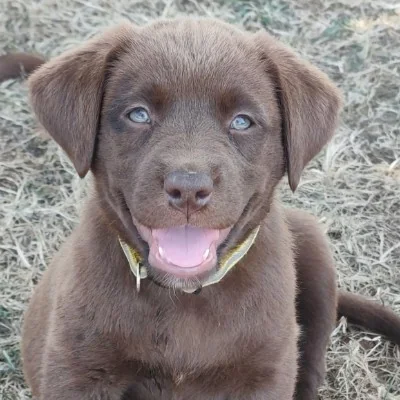
Azula De La Cité des Animaux
CHOCOLAT
France
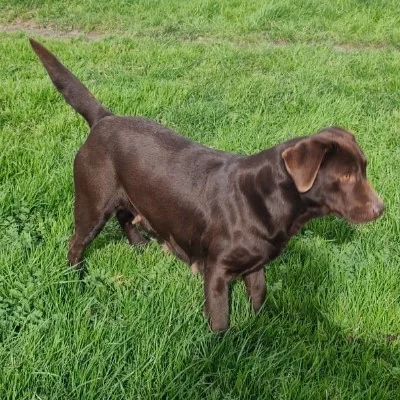
Shayen de la Cité des Animaux
CHOCOLAT
France

Paddie du Moulin le Comte
CHOCOLAT
France
Breeds from the Same Group
Discover other dog breeds from the same group