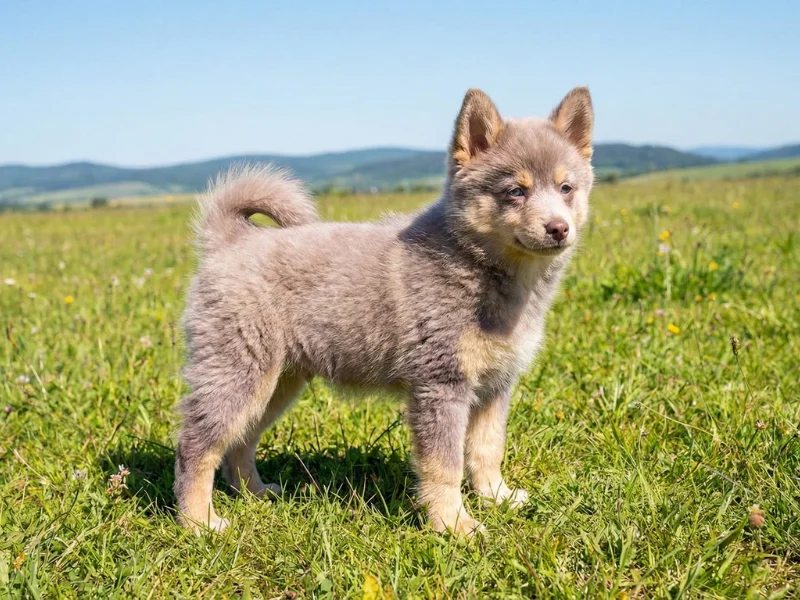

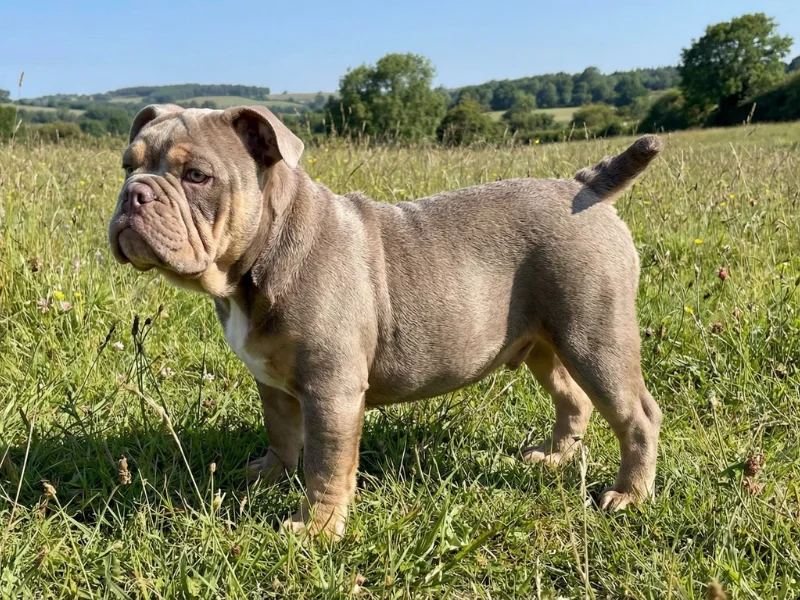
New English Bulldog
Other names: Olde English Bulldogge, NEB, Bulldog Anglais Alternatif
Imagine a bulldog that combines athletic power with natural elegance. The New English Bulldog embodies this vision of a canine companion blending quiet strength with impressive mobility, free from the respiratory constraints that sometimes affect its more extreme-typed cousins.
Its compact physique r... Read more
Are you a breeder or owner of a New English Bulldog?
Create your free account and request your dog's pedigree in just a few clicks. Use our tools to manage your kennel and select your breeding stock in the best conditions.
Are you a breeder or owner of a New English Bulldog?
Create your free account, manage your kennel and pedigree requests with our tools.
Create my accountHistory & Origin
T he history of the New English Bulldog begins in the 1970s in the United States, driven by a desire to restore the qualities of the 18th-century working bulldog.
At that time, the modern English Bulldog suffered from numerous health problems linked to excessive selection favoring appearance over functionality.
Passionate breeders, inspired by historical descriptions of the original Old English Bulldog, undertook an ambitious breeding program.
Their goal was clear: to recreate a more athletic bulldog with improved breathing and robust health, while retaining the breed's affectionate temperament. These pioneers relied on carefully planned crosses between modern English Bulldogs, American Bulldogs, Bullmastiffs, and Pit Bulls, in calculated proportions to achieve the desired type.
This approach of purposeful recreation produced dogs capable of sustained physical activity, free from severe respiratory disorders, and maintaining a functional body structure.
The New English Bulldog gradually distinguished itself as a viable alternative to the overtyped English Bulldog, appealing to enthusiasts seeking a bulldog-type dog with greater versatility.
Today, the New English Bulldog enjoys official recognition from alternative canine registries such as the United Kennel Club in the United States.
Although not recognized by the Fédération Cynologique Internationale or the SCC in France, it is gaining popularity among European breeders who appreciate its balance between authentic bulldog type and preserved health.
This modern breed reflects a responsible approach aimed at reconciling historical heritage with animal welfare.
The FBKC offers the opportunity to register your New English Bulldogs with greater flexibility for breeders. Our online tools allow you to manage your breeding stock and obtain a four-generation pedigree.
The New English Bulldog represents a purposeful recreation of the historical working bulldog, developed in the 1970s.
Breeders methodically combined the modern English Bulldog (approximately 50%) with the American Bulldog, Bullmastiff, and Pit Bull (equal proportions for the remaining 50%) to restore the athleticism, functional breathing, and robust health of ancestral bulldogs.
This breeding program aimed to preserve the characteristic bulldog appearance while eliminating severe respiratory problems and physical limitations.
After several generations of stabilized selection, the New English Bulldog now displays remarkable consistency in type, temperament, and physical capabilities.
Our FBKC club officially recognizes this recreated breed, offering a modern alternative to traditional organizations that have been slow to accept it, thereby enabling responsible breeders to showcase this work of canine preservation.
Description
I magine a bulldog that combines athletic power with natural elegance. The New English Bulldog embodies this vision of a canine companion blending quiet strength with impressive mobility, free from the respiratory constraints that sometimes affect its more extreme-typed cousins.
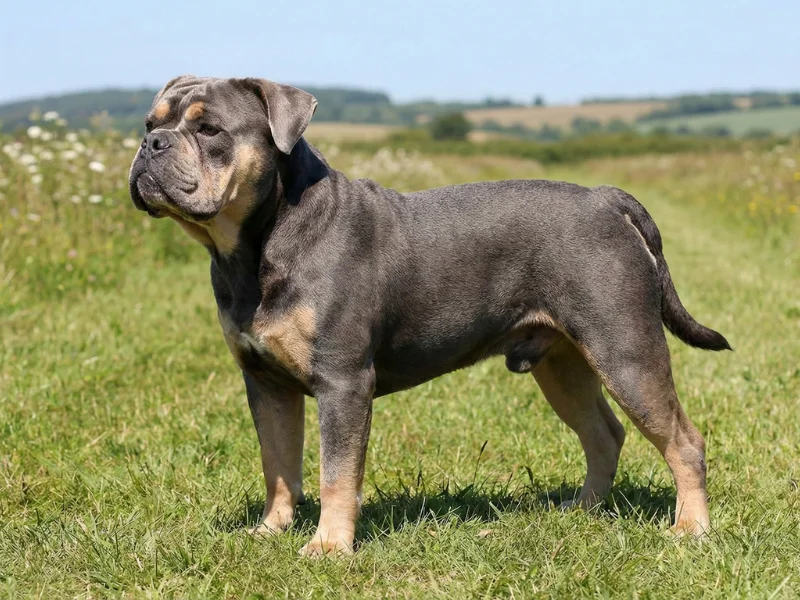
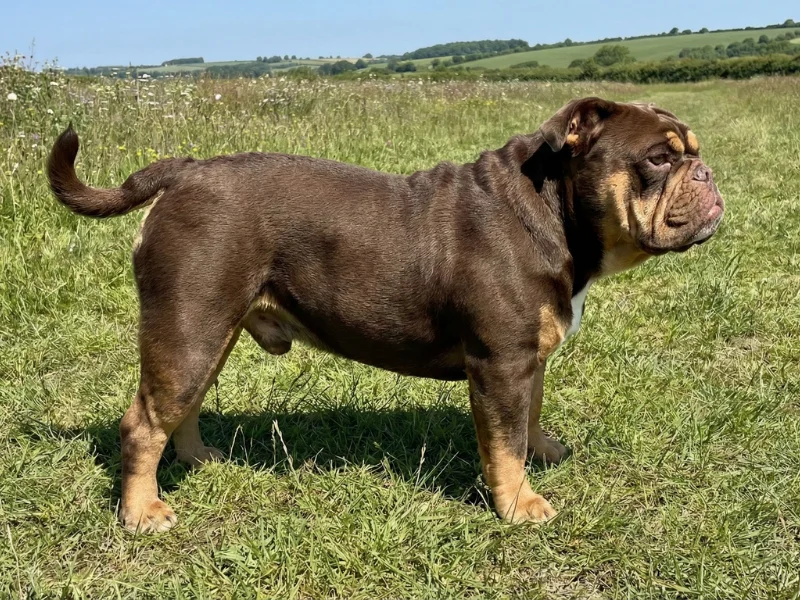
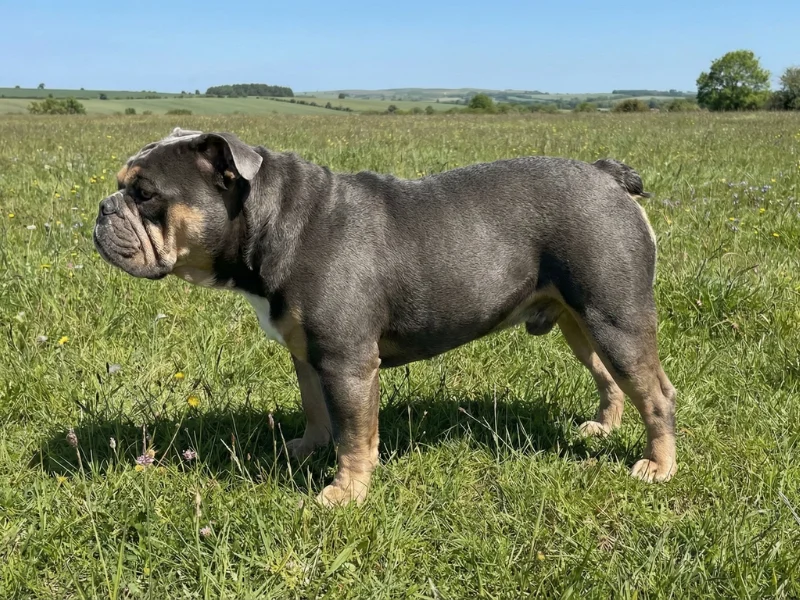
Its compact physique reveals prominent, well-balanced musculature, supported by sturdy legs that give it an agile and determined gait.
Taller on leg than the traditional English Bulldog, it displays an athletic silhouette capable of accompanying its owner on a light jog without becoming winded.
Its broad, imposing head, well-proportioned to the body, features a pronounced stop and a short but open muzzle, allowing for easy breathing. The well-spaced eyes reflect a keen intelligence, while the rose or semi-drop ears add a touch of expressiveness to its typey face.
Its short, dense, and smooth coat comes in various colors: brindle, fawn, white, or black and tan.
Beneath this robust appearance lies a well-balanced and affectionate temperament. Decidedly people-oriented, this bulldog seeks contact with its family and enjoys actively participating in household life. Its gentle and stable character makes it a reliable companion, capable of alternating between energetic play sessions and quiet moments of shared relaxation.
Slightly reserved with strangers without being fearful, it maintains a natural watchfulness while remaining a gentle giant in daily life.
This unique combination of preserved physical capabilities and gentle temperament makes the New English Bulldog an outstanding choice for active families seeking a companion as sturdy as it is tender.
Personality
L e New English Bulldog displays a balanced temperament that immediately appeals to families. Deeply devoted to his people, he willingly follows his owners in their daily activities, demonstrating a touching loyalty without being intrusive.
His natural gentleness with children is wonderful during playtime, where he proves patient and protective. Slightly reserved with strangers, he observes first before granting his trust, never displaying aggression. His intelligence facilitates training, though he appreciates taking time to think before acting.
This combination of moderate alertness and constant affection makes him a reliable companion, equally comfortable in the bustle of family life as in quiet moments shared together.
Photo Gallery


Breed Characteristics
General Information
- Category: Approval
- Origin: United States
- FCI Recognition: No
- Est. monthly upkeep: 50-70
- Daily exercise: 60 minutes
Key Facts
- Height: 41.00 to 51.00 cm
- Weight: 25.00 to 40.00 kg
- Life expectancy: 10 to 12 years
- Average price: 1200.00 to 2000.00 €
-
Grooming frequency:3/10
Training Tips
Begin training as soon as the puppy arrives, around 8 weeks of age, using positive methods based on reward. The New English Bulldog responds well to consistency and patience, appreciating short but regular sessions. Early socialization with various people, animals, and environments develops a well-balanced and confident adult.
Health & Common Conditions
General Health
The New English Bulldog benefits from an overall satisfactory hardiness, the result of selective breeding aimed at preserving functional health.
Its moderately short muzzle allows for easy breathing, unlike hypertype bulldogs, which considerably improves its tolerance for exertion and temperature variations.
Its athletic build promotes good joint mobility and reduces the risk of excess weight. With a balanced diet and appropriate regular exercise, it easily maintains optimal physical condition.
Annual veterinary check-ups help monitor joints and skin, ensuring a commendable lifespan. Attentive prevention and proper care contribute to preserving its vitality throughout its life.
Common Conditions
Although generally healthier than the traditional English Bulldog, the New English Bulldog may exhibit a sensitivity to skin allergies, manifesting as itching or redness in the folds.
Hip dysplasia remains a concern to monitor, hence the importance of selecting breeding stock with radiographic clearances.
Some individuals may develop mild respiratory issues if the muzzle is too short, although this breed is specifically bred to minimize this risk.
Pre-breeding health testing and regular veterinary monitoring allow for early detection of any abnormalities. Fortunately, responsible selection and appropriate health screenings contribute to maintaining this breed in good overall health.
Care & Living Environment
Daily Care
Grooming the New English Bulldog remains relatively simple thanks to its short, close-lying coat. Weekly brushing is sufficient to remove dead hair and maintain coat shine, with increased attention during seasonal shedding periods.
The facial wrinkles require regular cleaning with a clean, dry cloth to prevent skin infections. The ears deserve weekly inspection, while nails require monthly trimming if natural wear is insufficient.
A quarterly bath with an appropriate shampoo completes the routine. Dental hygiene, with twice-weekly brushing, effectively prevents tartar buildup and ensures fresh breath.
Recommended Living Environment
The New English Bulldog adapts equally well to urban apartment living as to a house with a yard, provided his exercise needs are met.
A secure outdoor space is an appreciated bonus for his playtime. He tolerates temperate climates, but requires protection from excessive heat and intense cold.
Recommended Activities
Scent work games and obedience exercises stimulate his intelligence, while supervised swimming sessions provide excellent low-impact exercise.
Frequently Asked Questions
The New English Bulldog makes an excellent family companion thanks to its balanced and affectionate temperament. Its legendary patience with children makes it an ideal playmate, capable of tolerating their enthusiastic cuddles without flinching. Highly protective of its family, it develops deep bonds with each member of the household.
The New English Bulldog is distinguished by its more athletic structure and improved respiratory capacity. Taller on leg and less massive, this breed can engage in physical activities without becoming winded quickly, unlike the modern English Bulldog. Its slightly longer muzzle enhances overall health and temperature tolerance.
This bulldog requires approximately 60 minutes of daily exercise, divided into two or three outings. He enjoys moderate-intensity walks and can accompany his owner on a light jog without difficulty. Play sessions in a secure area ideally complement his needs, maintaining his optimal physical condition.
His maintenance remains relatively simple thanks to his short coat requiring weekly brushing. The facial wrinkles require regular cleaning with a dry cloth to prevent skin infections. A weekly ear check, monthly nail trimming, and quarterly bathing are quite sufficient to keep him clean and in good health.
Le FBKC officially recognizes the New English Bulldog and permits its full registration. Breeders can obtain a four-generation pedigree for their dogs, unlike traditional organizations that do not yet recognize this breed. This recognition offers a modern alternative with high-performance breeding management tools.
Expert Rating
Overall rating for the New English Bulldog
This overall rating is calculated from 7 key criteria: activity level, trainability, guarding ability, child and animal friendliness, grooming frequency and barking level.
Activity level
Trainability
Sociability
Guarding ability
Latest registered New English Bulldog
Dogs of this breed recently added to the FBKC registry

Sainte Rose du Christ Bunker
LILAC MERLE AND WHITE
France

English British Family Billy
CHOCOLATE TRI
Belgium

English British Family César
LILAC TRI
Belgium

English British Family Mochi
LILAC TRI
Netherlands
Other Non-FCI Recognised Breeds
Discover other breeds not officially recognised by the FCI