
Cockapoo
Other names: Cockerpoo, Cock-a-poo, Spoodle, Cockerdoodle
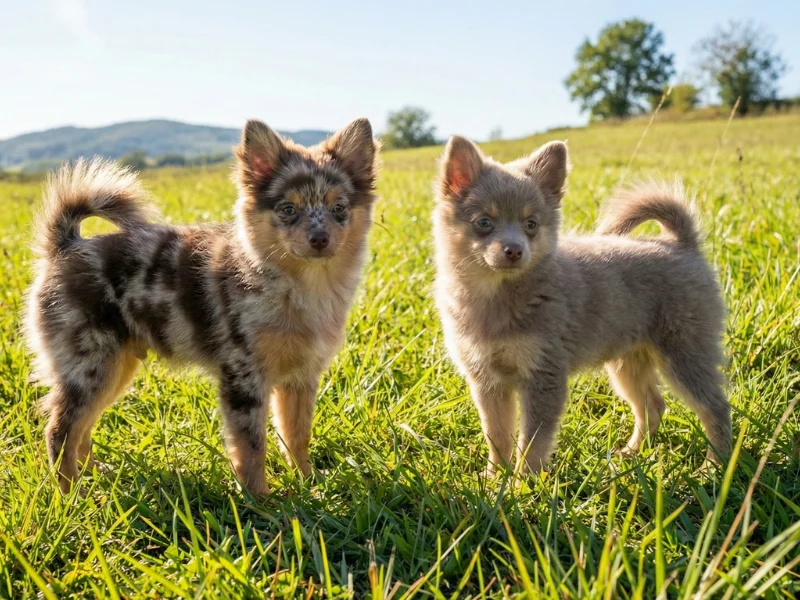
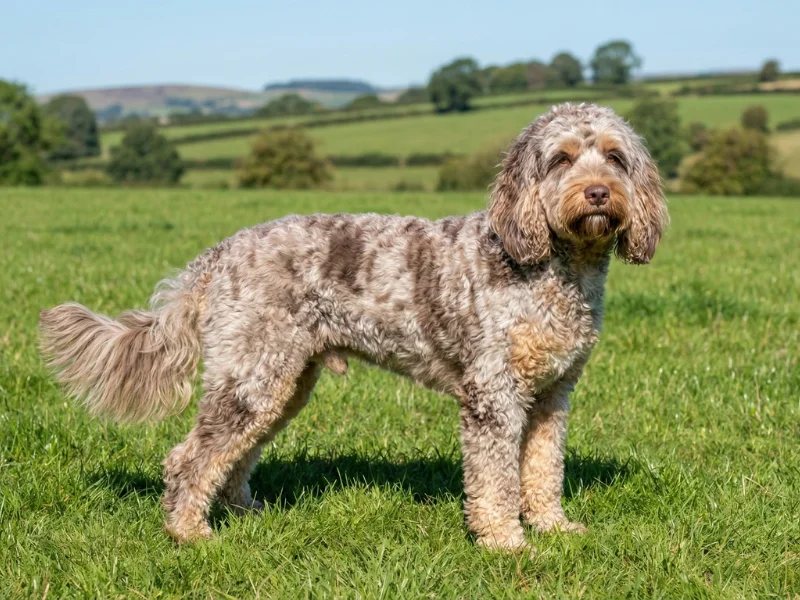
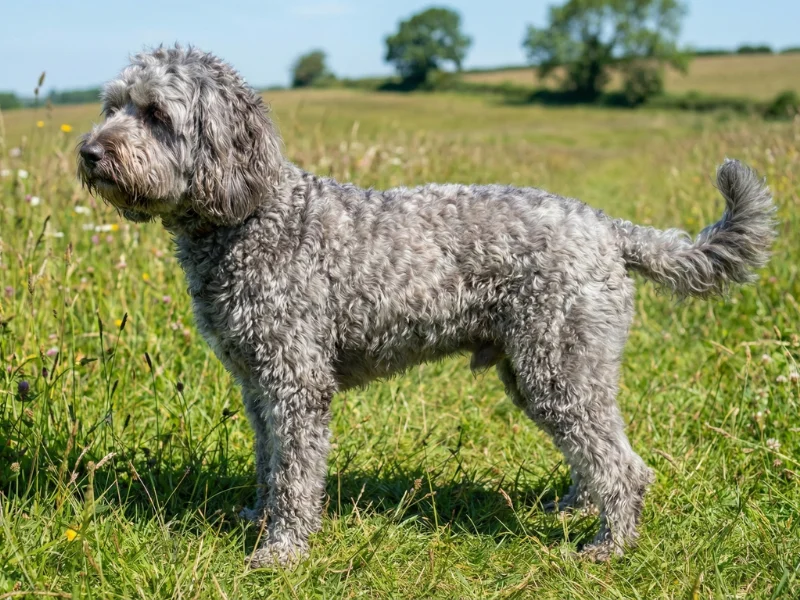
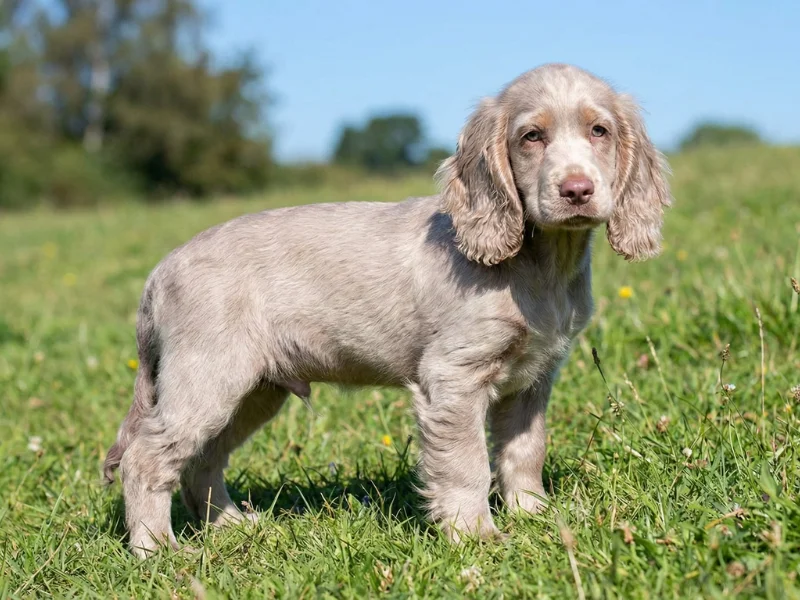
A truly irresistible little ball of fluff, the Cockapoo captivates at first sight with its living teddy bear appearance. This small to medium-sized hybrid dog displays a curly or wavy coat that may resemble either the Poodle or the Cocker Spaniel depending on the dominant genes.
Its expressive brown eyes sparkle wit... Read more
Are you a breeder or owner of a Cockapoo?
Create your free account and request your dog's pedigree in just a few clicks. Use our tools to manage your kennel and select your breeding stock in the best conditions.
Are you a breeder or owner of a Cockapoo?
Create your free account, manage your kennel and pedigree requests with our tools.
Create my accountHistory & Origin
T he history of the Cockapoo begins in the United States in the 1950s, marking the advent of the very first "designer dog." The first specimens are believed to have resulted from accidental breedings between Cocker Spaniels and Poodles, before visionary breeders recognized the exceptional potential of this genetic combination.
The goal was clear: to create an ideal companion combining the boundless affection and gentle temperament of the Cocker with the remarkable intelligence and hypoallergenic coat of the Poodle.
The popularity of the Cockapoo soared during the 1960s, literally paving the way for an entire generation of hybrid breeds such as the Labradoodle, the Goldendoodle, and the Cavapoo.
This meteoric rise can be attributed to its undeniable qualities: superior intelligence that facilitates training, a low-shedding coat, a cheerful disposition, and remarkable adaptability. The success of the film "Lady and the Tramp" also contributed to the enthusiasm for Cocker Spaniels, further boosting interest in their crosses.
Today, the Cockapoo enjoys worldwide popularity, particularly in the United States, the United Kingdom, and Australia where it goes by the name "Spoodle." Despite its phenomenal success, this hybrid breed is still not officially recognized by the Fédération Cynologique Internationale or the SCC, KC or AKC.
Dedicated clubs such as the Cockapoo Club of America, founded in 1999, are working diligently to establish an official breed standard and obtain recognition, although some breeders prefer to maintain the flexibility of crossbreeding without strict constraints.
The debate between standardization and breeding freedom remains ongoing, reflecting the youth and dynamism of this evolving breed.
Register your Cockapoos with FBKC to benefit from a modern alternative offering breeders greater flexibility and innovative kennel management features.
Description
A truly irresistible little ball of fluff, the Cockapoo captivates at first sight with its living teddy bear appearance. This small to medium-sized hybrid dog displays a curly or wavy coat that may resemble either the Poodle or the Cocker Spaniel depending on the dominant genes.
Its expressive brown eyes sparkle with intelligence and mischief, framed by characteristic drop ears that bounce cheerfully with every movement.
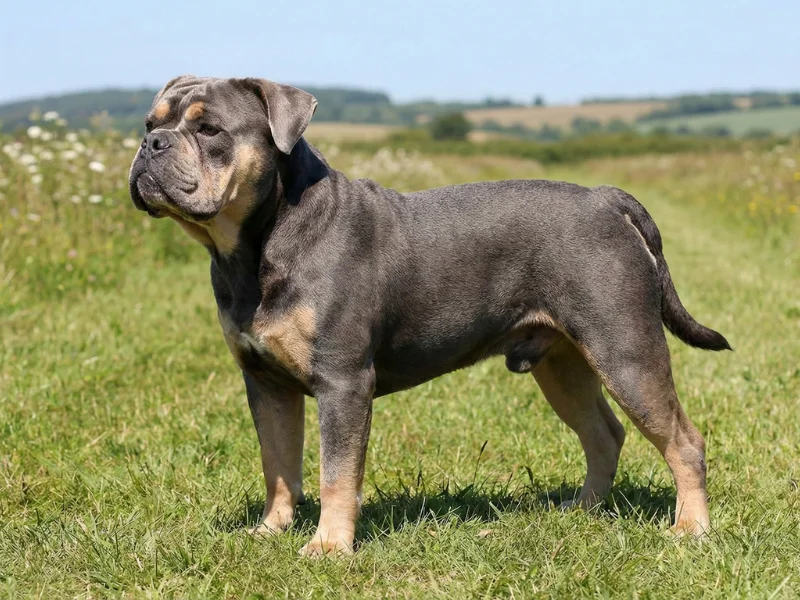
The Cockapoo's silhouette varies considerably depending on the lineage and comes in four distinct varieties: Teacup, Toy, Miniature, and Standard.
This diversity produces sizes ranging from a tiny dog under 6 pounds to a more robust companion exceeding 22 pounds. Its muscular yet slender body reveals fine bone structure, while its slightly domed skull gives it an endearing expression.
The coat, which develops around 6 weeks of age, displays a remarkable color palette: warm red, deep black, pearly cream, pure white, soft apricot, chocolate, or brindle.
The Cockapoo's temperament perfectly reflects the best of both parent breeds. Playful without being hyperactive, affectionate without being demanding, intelligent and easy to train, it displays natural sociability toward humans and other animals.
This delightful companion sheds very little, which pleases owners concerned with cleanliness. Its adaptable character allows it to thrive equally well in an apartment or a house, with active families or more sedentary individuals.
Personality
T he Cockapoo radiates a contagious zest for life that brightens every day for its owners. Playful and spirited, it displays remarkable sociability toward both humans and other animals, making it an ideal companion for families with children.
Its intelligence inherited from the Poodle greatly facilitates training, while its gentleness from the Cocker Spaniel makes it particularly affectionate.
This little ball of fur loves to participate in family life and dislikes prolonged solitude. Its balanced temperament allows it to adapt to different lifestyles, whether active or relaxed.
Unlike some independent breeds, the Cockapoo constantly seeks the company of its humans, willingly following its owner from room to room.
Its vocal nature deserves particular attention: many Cockapoos have inherited from the Cocker a tendency to bark to comment on daily events.
This tendency remains manageable, however, with appropriate training from an early age. Its loyal and protective nature makes it an excellent alert dog, even though its friendly temperament limits its true guarding capabilities.
Photo Gallery



Breed Characteristics
General Information
- Category: Approval
- Origin: United States
- FCI Recognition: No
- Est. monthly upkeep: 70-120
- Daily exercise: 60 minutes
Key Facts
- Height: 25.00 to 45.00 cm
- Weight: 3.00 to 14.00 kg
- Life expectancy: 12 to 18 years
- Average price: 1200.00 to 2500.00 €
-
Grooming frequency:8/10
Training Tips
Training a Cockapoo ideally begins at 8 weeks of age, thanks to its remarkable intelligence and natural eagerness to please. Positive reinforcement using food rewards and praise yields excellent results in just a few months. Early socialization with various people, animals, and environments prevents any future shyness. Manage its tendency to bark by promptly teaching the "quiet" and "stop" commands, while avoiding leaving it alone for extended periods to prevent separation anxiety.
Health & Common Conditions
General Health
The Cockapoo generally enjoys remarkable hardiness thanks to its expanded genetic pool, a phenomenon often observed in hybrid breeds.
Its remarkable life expectancy, which can reach 18 years, demonstrates its solid constitution when it comes from responsible breeding programs that practice appropriate genetic screening on breeding stock.
Regular veterinary checkups help maintain this excellent vitality throughout its life. A balanced diet suited to its size and activity level, combined with moderate daily exercise, helps prevent the weight gain to which some individuals may be prone. Vigilance remains essential regarding the drop ears, which require weekly inspection.
Selecting a reputable breeder constitutes the best health guarantee, as the lack of official recognition makes lineage traceability difficult.
A conscientious professional provides health certificates for the parents, particularly regarding dysplasia and ocular conditions. With these precautions, your Cockapoo will fully enjoy its many years by your side.
Common Conditions
Progressive retinal atrophy ranks among the primary hereditary concerns, potentially leading to progressive blindness in adult dogs. This condition, inherited from the parent breeds, requires regular ophthalmologic screening to enable early detection of initial signs.
Congenital patellar luxation, common in small dogs, typically appears around four to five months of age and causes intermittent lameness.
Hip dysplasia, although less common than in large breeds, may affect certain individuals and cause joint pain as well as early-onset arthritis.
Ear infections represent a constant risk due to the pendant ears that retain moisture, hence the importance of weekly cleaning with an appropriate solution. Some Cockapoos may also develop skin conditions or food allergies.
Liver disease inherited from the Cocker Spaniel warrants monitoring, as does cataract formation that may occur in adults. A responsible breeder systematically tests all breeding stock for these conditions, considerably reducing the risk of transmission. With appropriate veterinary care and quality nutrition, most Cockapoos enjoy long and happy lives.
Care & Living Environment
Daily Care
The Cockapoo's curly coat requires a serious commitment from the owner to maintain its beauty and prevent matting. Regular brushing, ideally two to three times per week, is essential to work through the curls and prevent the formation of painful mats.
Visits to a professional groomer are recommended every two to three months for a complete trim that maintains a neat appearance and facilitates daily maintenance.
The drop ears require particular weekly attention: gentle cleaning with a cotton ball moistened with veterinary ear solution to prevent recurring ear infections.
Tooth brushing, performed two to three times per week with canine toothpaste, limits tartar buildup. Nails require monthly trimming when they become too long and click on the floor.
Baths may be given once per month with a mild shampoo formulated for dogs, followed by thorough drying to prevent skin problems in the dense undercoat.
Regular inspection of the eyes allows for prompt detection of any abnormal discharge. This grooming routine, while substantial, remains manageable for novice owners with a little practice and patience.
Recommended Living Environment
The Cockapoo adapts remarkably well to apartment living thanks to its modest size and flexible temperament. A house with a fenced yard nonetheless offers an appreciated exploration space for playtime.
This breed tolerates heat moderately due to its dense coat, requiring a cool space during summer. Perfectly suited to both urban and rural environments, with active families or calmer individuals seeking an adaptable companion.
Recommended Activities
Daily walks of approximately one hour perfectly fulfill his moderate to high exercise requirements. Retrieving games stimulate his fetching instinct inherited from the Cocker, while scent work exercises such as mantrailing utilize his exceptional nose.
Agility represents an ideal activity combining physical and mental stimulation. Interactive play sessions, family hikes, and even moderate jogging suit this energetic companion who is always ready for adventure.
Frequently Asked Questions
The Cockapoo represents an ideal family companion thanks to its affectionate and sociable temperament. It adores children and perfectly tolerates their energetic play. Its modest size and adaptable character allow it to thrive in various family environments.
Brushing the Cockapoo should be done two to three times per week to prevent mats from forming in its curly coat. A visit to a professional groomer every two to three months maintains its well-groomed appearance. The drop ears require weekly cleaning.
The Cockapoo originated in the United States in the 1950s, as a cross between a Cocker Spaniel and a Poodle. It represents the very first deliberately created hybrid dog. The goal was to combine the affectionate nature of the Cocker Spaniel with the intelligence of the Poodle and its low-shedding coat.
The Cockapoo generally enjoys robust health with a life expectancy that can reach 18 years. However, it may inherit genetic predispositions such as progressive retinal atrophy or patellar luxation. A responsible breeder tests their breeding stock to minimize these risks.
The Cockapoo is distinguished by its remarkable intelligence inherited from the Poodle, which greatly facilitates training. This breed responds particularly well to positive reinforcement and reward-based methods. Begin socialization at 8 weeks of age to develop a well-balanced companion that is obedient within just a few months.
Expert Rating
Overall rating for the Cockapoo
This overall rating is calculated from 7 key criteria: activity level, trainability, guarding ability, child and animal friendliness, grooming frequency and barking level.
Activity level
Trainability
Sociability
Guarding ability
Parent Breeds
Discover the breeds that make up the Cockapoo

About this crossbreed
The Cockapoo represents the very first "designer dog" deliberately developed, originating in the 1950s in the United States with the ambitious goal of combining the natural affection of the Cocker Spaniel with the superior intelligence and hypoallergenic coat of the Poodle.
This crossbreeding aims to create an ideal family companion that minimizes shedding while maximizing sociability and trainability.
First-generation puppies, produced directly from one Cocker Spaniel parent and one Poodle parent, generally exhibit the most predictable and balanced characteristics.
Subsequent generations may result from breeding two Cockapoos together or crossing a Cockapoo with one of the parent breeds, thereby creating significant genetic variability in size, coat type, and temperament. This diversity accounts for the existence of four distinct varieties based on size.
Despite its international popularity and the existence of dedicated clubs such as the Cockapoo Club of America, this hybrid breed has not achieved official recognition by the Fédération Cynologique Internationale or national kennel clubs.
The absence of a unified breed standard divides the breeding community between those seeking full standardization and those preferring to maintain breeding flexibility, thus ensuring the preservation of genetic diversity beneficial to the overall health of the breed.
Latest registered Cockapoo
Dogs of this breed recently added to the FBKC registry

Les Rochers Guivano Alban (F1)
ABRICOT
France
Les Rochers Guivano Axel (F1)
ABRICOT
France
Les Rochers Guivano Alba (F1)
ABRICOT
France
Les Rochers Guivano Azzaro (F1)
ABRICOT
France
Other Non-FCI Recognised Breeds
Discover other breeds not officially recognised by the FCI