
Doberman
Other names: Dobermann Pinscher, Dobie, Chien de gendarme
Elegant and athletic in silhouette, the Doberman stands out as a proud and distinguished companion. This medium to large-sized dog displays a harmonious build where muscular power combines with refined lines worthy of a thoroughbred. His body, which fits almost into a perfect square, reveals well-developed ... Read more
Are you a breeder or owner of a Doberman?
Create your free account and request your dog's pedigree in just a few clicks. Use our tools to manage your kennel and select your breeding stock in the best conditions.
Are you a breeder or owner of a Doberman?
Create your free account, manage your kennel and pedigree requests with our tools.
Create my accountHistory & Origin
T he history of the Doberman begins in Germany during the 1870s, proudly bearing the name of its creator, Friedrich Louis Dobermann. This tax collector from the small town of Apolda in Thuringia also worked as a knacker yard manager and municipal employee responsible for collecting stray dogs. Regularly carrying sums of money during his rounds, he dreamed of a courageous protection dog with strong guarding instincts and complete reliability.
Taking advantage of his position, Dobermann meticulously selected dogs with assertive temperaments from among those he collected. He primarily crossed "butcher's dogs" (ancestors of today's Rottweiler) with black and tan Thuringian shepherd dogs, later adding Pinschers, Great Danes, and other local breeds. These crosses produced a vigilant working dog, a determined guardian of farms and an effective protector in dangerous situations.
After Dobermann's death in 1894, breeders continued to refine the breed by adding Greyhound and Terrier blood, imparting greater elegance and agility.
The first breed club was founded in Apolda in 1899, followed by the first standard established in 1910. The Dobermann Club de France was founded in 1923, while the Fédération Cynologique Internationale officially recognized the breed in 1955, classifying it in Group 2, Section 1.
Its frequent use by law enforcement earned it the affectionate nickname "policeman's dog," while its remarkable performance during the World Wars forged its reputation as an exceptional war and service dog.
Join our community and register your Doberman with our club! We offer a modern alternative to traditional clubs, with greater freedoms for breeders and powerful breeding management tools to support your passion.
Description
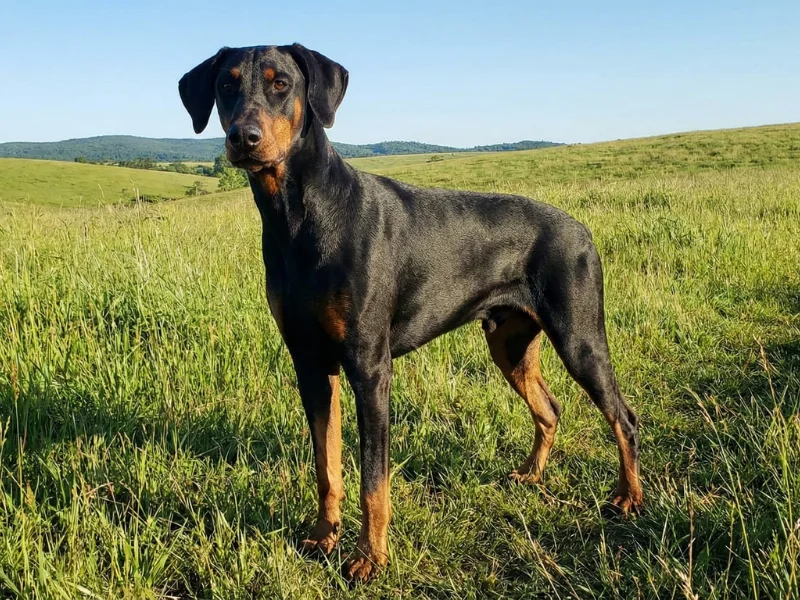
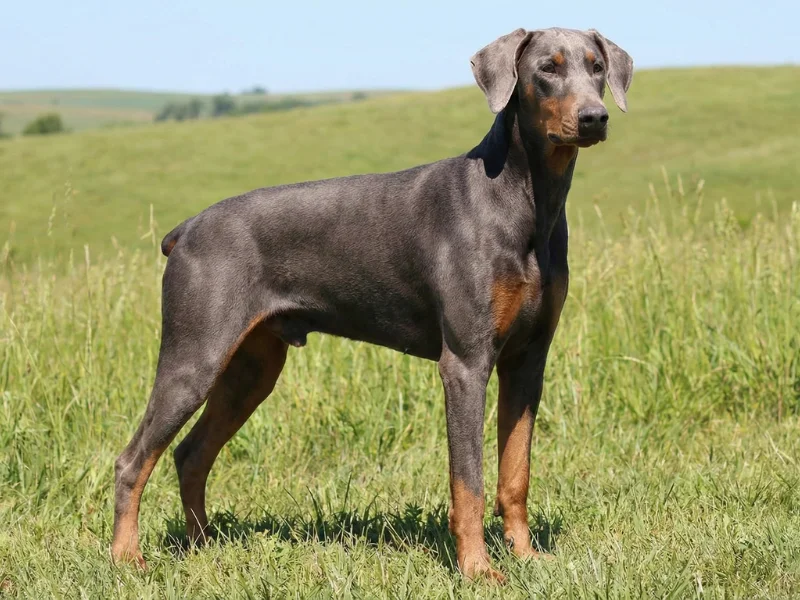
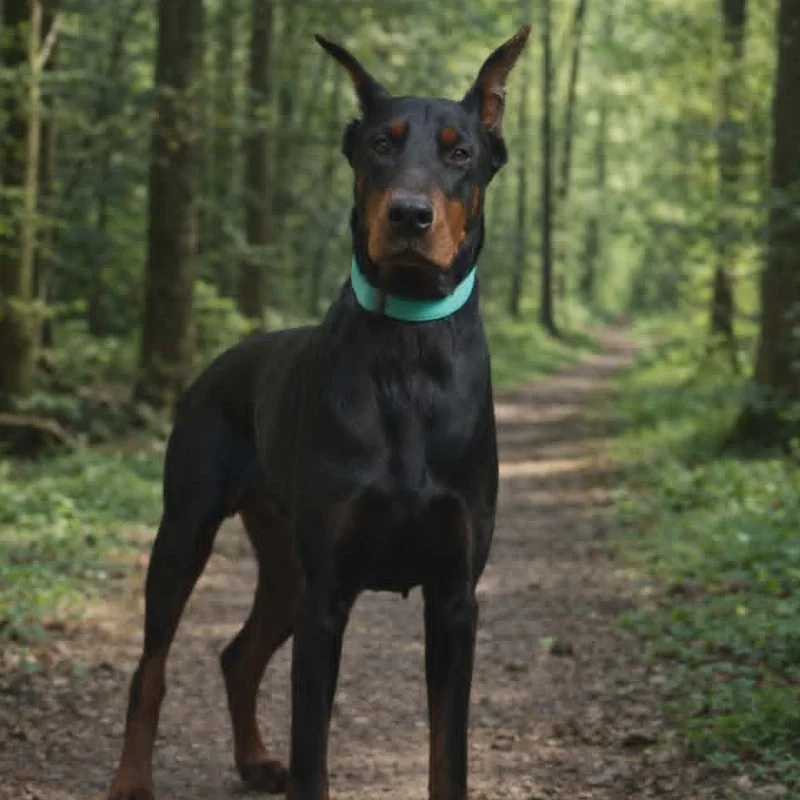
E legant and athletic in silhouette, the Doberman stands out as a proud and distinguished companion. This medium to large-sized dog displays a harmonious build where muscular power combines with refined lines worthy of a thoroughbred. His body, which fits almost into a perfect square, reveals well-developed musculature without excessive bulk, lending a natural grace to every movement.
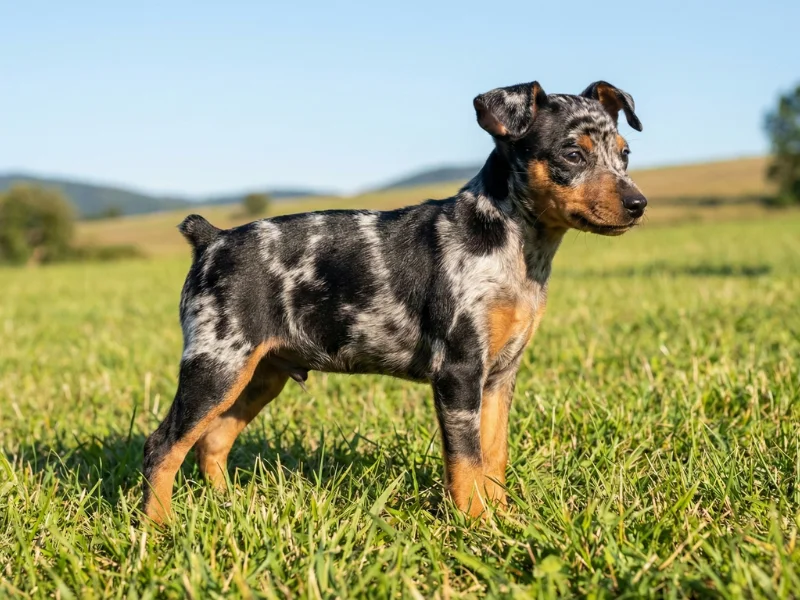
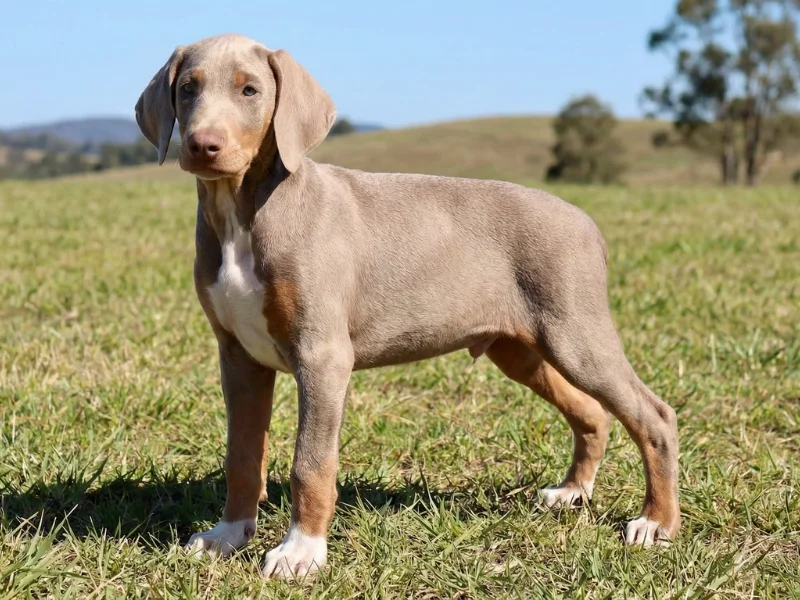
His well-proportioned head features a well-developed muzzle and impressively powerful jaws. The short, smooth, and glossy coat fits perfectly over his athletic frame. Two colors are officially recognized: black and rust or red and rust, with clearly defined rust markings on the muzzle, cheeks, chest, and legs. His natural ears, set high, fall gracefully along his cheeks.
Beyond his imposing appearance lies a tender and devoted heart. The Doberman develops exceptional loyalty toward his family, showing affection to children whom he naturally protects.
His remarkable intelligence greatly facilitates training, as this companion learns with enthusiasm and speed.
Contrary to popular belief, this strong-willed dog remains fundamentally gentle and peaceful within the family circle, expressing his boundless energy during the sporting activities he particularly enjoys.
Personality
T he Doberman reveals a remarkably balanced and sensitive temperament that contrasts with its imposing appearance. Fundamentally gentle and peaceful within its family, it develops a deep attachment to its owners, displaying unwavering loyalty.
Its exceptional intelligence facilitates training, as this devoted dog constantly seeks to please and collaborate.
Naturally vigilant without being aggressive, it observes its surroundings with attention and discernment. Its wariness toward strangers is expressed with restraint, preferring observation over confrontation.
With children in the family, it proves patient and protective, enjoying their games while discreetly watching over them.
This energetic companion possesses a strong-willed character that requires a present and consistent handler. Its need for closeness with its family remains intense, tolerating prolonged solitude poorly.
An athlete at heart, it thrives fully when able to channel its boundless energy into stimulating activities alongside its favorite human.
Photo Gallery


Breed Characteristics
General Information
- Category: Guard
- Origin: Germany
- FCI Recognition: Yes (Group 2)
- Est. monthly upkeep: 80
- Daily exercise: 90 minutes
Key Facts
- Height: 63.00 to 72.00 cm
- Weight: 32.00 to 45.00 kg
- Life expectancy: 10 to 12 years
- Average price: 1200.00 to 1800.00 €
-
Grooming frequency:2/10
Training Tips
Training begins as soon as the puppy arrives home, ideally around eight weeks of age. This intelligent breed responds admirably to positive methods based on reward and encouragement. Consistency and kind firmness prove essential when dealing with its assertive character. Early socialization with people, animals, and varied environments shapes a well-balanced and confident adult, preventing overly suspicious behaviors.
Health & Common Conditions
General Health
The Doberman typically displays a robust and athletic constitution that provides excellent vitality throughout its life. Its well-balanced physique admirably tolerates temperate and warm climates, demonstrating impressive physical endurance during sporting activities.
This breed enjoys considerable longevity when provided with appropriate care.
However, the absence of an undercoat makes this companion sensitive to cold and humidity, requiring protection during harsh winter periods.
Its rapid growth during the first months warrants careful monitoring, particularly regarding joint development. Proper nutrition and moderate exercise during this period promote sound structural development.
Regular veterinary examinations allow for early detection of potential health concerns. Annual cardiac screening becomes particularly recommended from five years of age onward.
Prevention remains the best approach for keeping this athletic breed in peak condition for many years with its family.
Common Conditions
Dilated cardiomyopathy represents the major health concern in the Doberman Pinscher, affecting a significant percentage of the population.
This progressive heart condition may manifest through unusual fatigue, shortness of breath, or syncope. Regular screening through echocardiography allows for early detection and appropriate management.
Hip and elbow dysplasia are among the orthopedic disorders observed, warranting rigorous screening of breeding stock through radiographic evaluation.
Hypothyroidism and Wobbler syndrome (cervical vertebral instability) also affect some individuals, resulting in gait abnormalities or metabolic disorders. Von Willebrand's disease, a blood clotting disorder, can be identified through genetic testing.
Fortunately, responsible breeders conduct comprehensive health testing on their breeding stock, significantly reducing the transmission of these conditions.
Acquiring a puppy from health-tested parents and establishing preventive veterinary care remain the best guarantees of a long and fulfilling life.
Care & Living Environment
Daily Care
Grooming the Doberman proves remarkably simple thanks to its short, smooth coat.
Weekly brushing with a soft brush is sufficient to remove dead hair and maintain the natural sheen of its coat. This breed sheds minimally, even during light shedding periods that pass almost unnoticed.
Baths remain occasional, only when necessary, to preserve the natural protective oils of its skin. Drop ears warrant weekly inspection to prevent infections, with gentle cleaning to remove wax buildup. Nails require monthly trimming if natural wear proves insufficient.
Teeth brushing, ideally three times per week, maintains oral health and prevents tartar accumulation. During winter, a protective coat becomes advisable for extended outings in cold or wet weather.
This regular yet low-maintenance care also strengthens the bond between dog and owner while keeping this elegant companion looking its best.
Recommended Living Environment
The Doberman adapts to different environments as long as he shares the daily life of his family. A house with a fenced yard offers the ideal space for his activities, although a spacious apartment is suitable if daily outings are generous.
This indoor dog cannot tolerate life in a kennel or isolated in a yard. Temperate climates suit him perfectly, requiring protection and shelter during cold or wet periods.
Recommended Activities
Long hikes, interactive play sessions, and advanced obedience exercises fulfill his needs. Mental stimulation through scent work games or varied training proves equally important as physical exercise for his overall balance.
Frequently Asked Questions
Absolutely! The Doberman makes an excellent family companion despite its reputation as a guard dog. Naturally affectionate and loyal, it develops deep bonds with its owners. Its remarkable patience with children makes it safe and protective. Its exceptional intelligence facilitates daily training.
The price of a Doberman Pinscher puppy ranges from 1200 to 2500 euros depending on the bloodline and breeder. A puppy registered with a kennel club typically costs between 1500 and 2000 euros. Champion bloodlines can reach 3000 euros. Beyond the purchase price, plan for a monthly budget of approximately 80 euros for daily care.
The Doberman typically lives between 10 and 12 years, a respectable lifespan for a large breed. Its natural robustness provides excellent vitality. However, regular veterinary care is essential, particularly to monitor cardiac health. Quality nutrition and appropriate exercise contribute to longevity.
This accomplished athlete requires approximately 2 hours of daily activity to thrive fully. His boundless energy demands dynamic outings, jogging, or canicross. Dog sports such as agility and tracking stimulate both his body and keen mind. Without sufficient exercise, he may develop undesirable behaviors.
Dilated cardiomyopathy represents the major health concern, affecting many individuals as they age. Hip dysplasia and Wobbler syndrome are among the disorders observed. Hypothyroidism and von Willebrand disease also affect certain individuals. Fortunately, health screening tests allow for effective prevention.
Expert Rating
Overall rating for the Doberman
This overall rating is calculated from 7 key criteria: activity level, trainability, guarding ability, child and animal friendliness, grooming frequency and barking level.
Activity level
Trainability
Sociability
Guarding ability
Latest registered Doberman
Dogs of this breed recently added to the FBKC registry
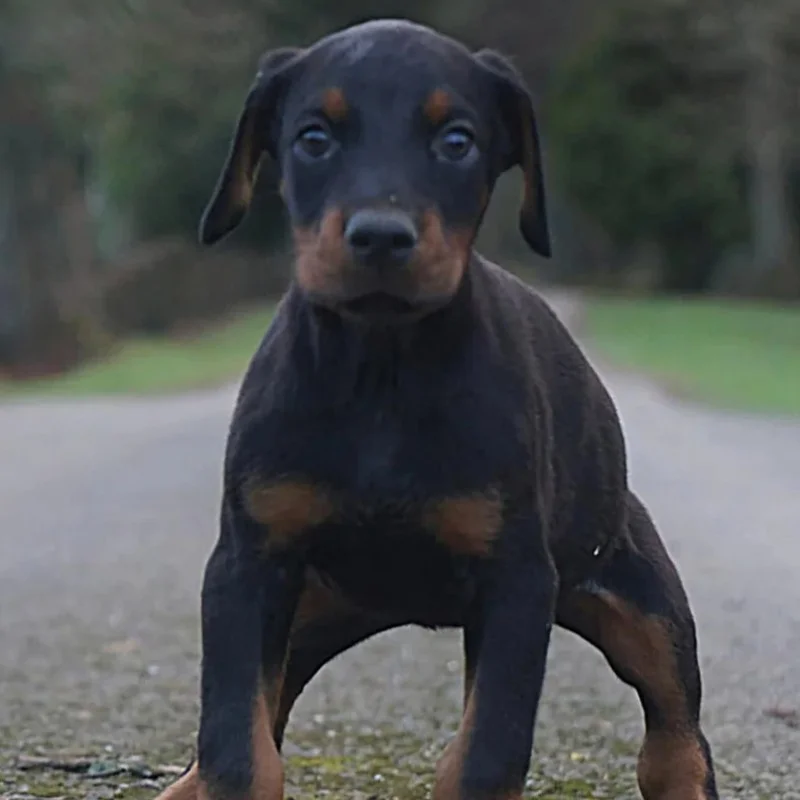
Phoenix Bully's Kennel Bella
NOIR ET FEU
France
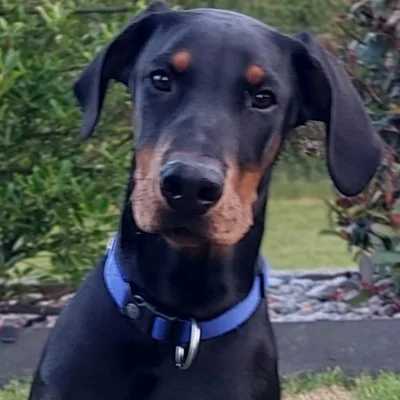
Zeus
NOIR ET FEU
Belgium
Athena di Grande Zoi
BLACK TRI
France
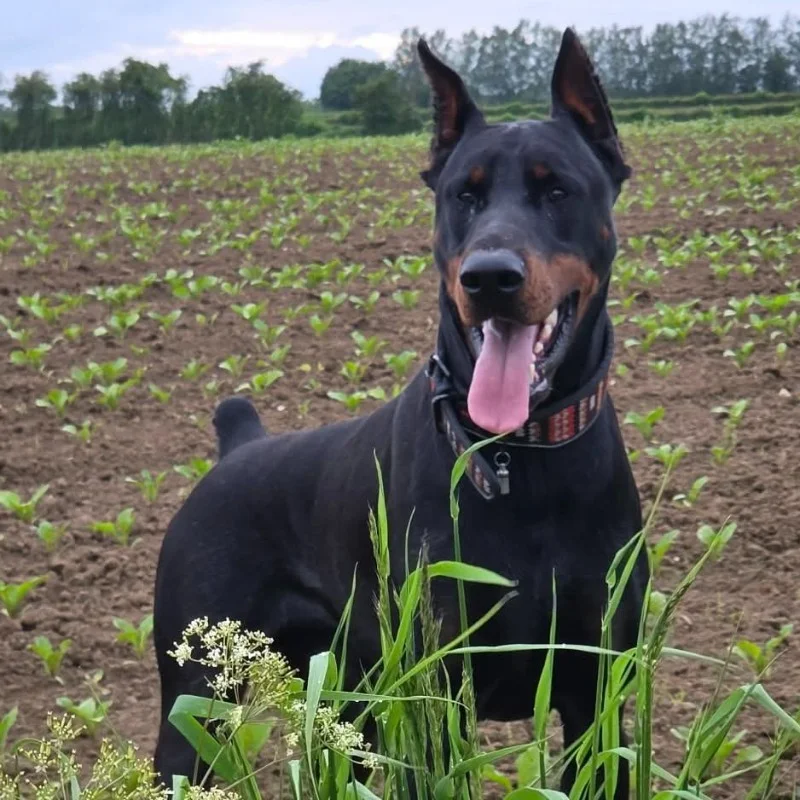
Vuyo
BLACK TRI
France
Breeds from the Same Group
Discover other dog breeds from the same group