
Samoyed
Other names: Samoiedskaïa Sobaka, Samy, Bjelkier, Sammy
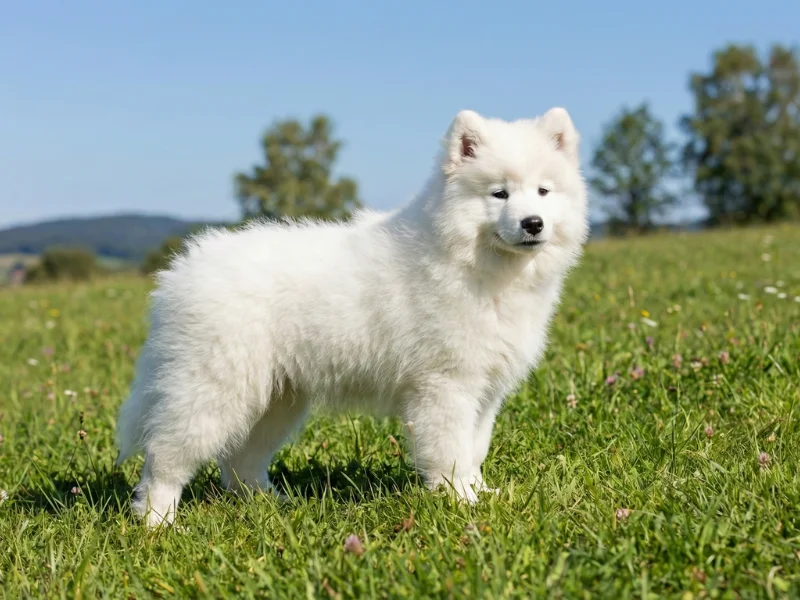
Like an animated snowflake, the Samoyed immediately captivates with its pristine white coat and legendary joyful expression. This medium-sized Spitz-type dog exudes natural elegance combined with undeniable ruggedness. Males stand between 21 and 23.5 inches at the withers with a weight of 45 to 65 pounds, w... Read more
Are you a breeder or owner of a Samoyed?
Create your free account and request your dog's pedigree in just a few clicks. Use our tools to manage your kennel and select your breeding stock in the best conditions.
Are you a breeder or owner of a Samoyed?
Create your free account, manage your kennel and pedigree requests with our tools.
Create my accountHistory & Origin
T he history of the Samoyed dates back several millennia to the frozen expanses of northern Siberia and European Russia. Its name derives from the nomadic Samoyed tribes, ancestors of today's Nenets and Nganasan peoples, who lived in complete symbiosis with these treasured companions.
These indigenous peoples, traditional reindeer herders, depended on their dogs for daily survival in extreme climatic conditions.
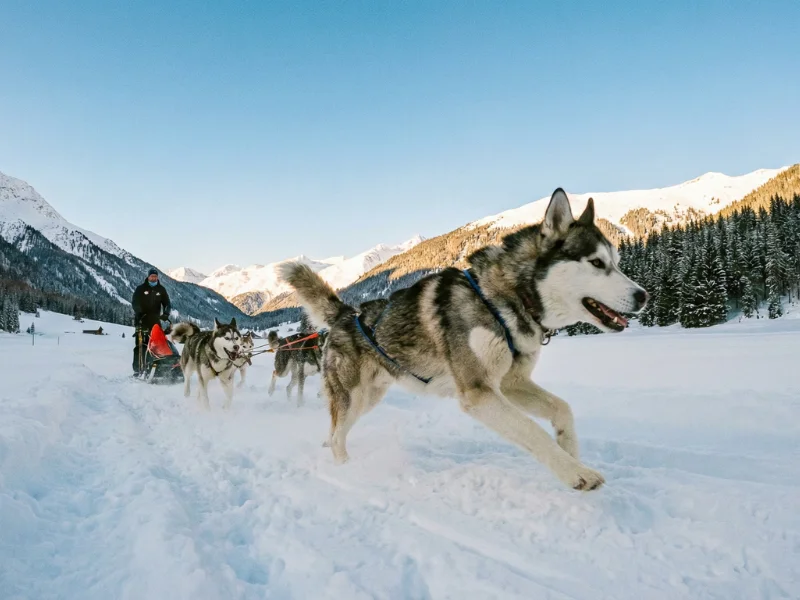
The functions of these versatile dogs proved to be multiple and indispensable: pulling sleds over long distances, vigilant guarding of reindeer herds against predators, assistance in hunting bear and game, and even serving as a precious source of warmth during polar nights.
The dogs slept inside the shelters with their masters, literally serving as living blankets for the children. This exceptional closeness forged their affectionate temperament and their deep bond with humans.
The arrival in Europe occurred in 1889 thanks to British zoologist Ernest Kilburn Scott, who spent three months with the Samoyed tribes.
Fascinated by these magnificent white dogs, he brought several specimens back to England, including the famous Sabaka, Whitey Petchora, and Musti.
These few individuals, supplemented by those brought back by polar explorers who used these dogs during Antarctic expeditions, formed the foundation of Western breeding.
The first official standard was drafted in England in 1909, favoring the white coats that initially constituted a minority among the various existing colors.
The Fédération Cynologique Internationale officially recognized the breed in 1959, classifying it in Group 5. Today, the Samoyed captivates the world with its spectacular appearance and endearing character, having transitioned from the status of northern working dog to that of beloved family companion.
The FBKC offers Samoyed breeders a modern registration platform. Obtain a four-generation pedigree and manage your breeding program with our innovative online tools. An alternative to the traditional LOF.
Description
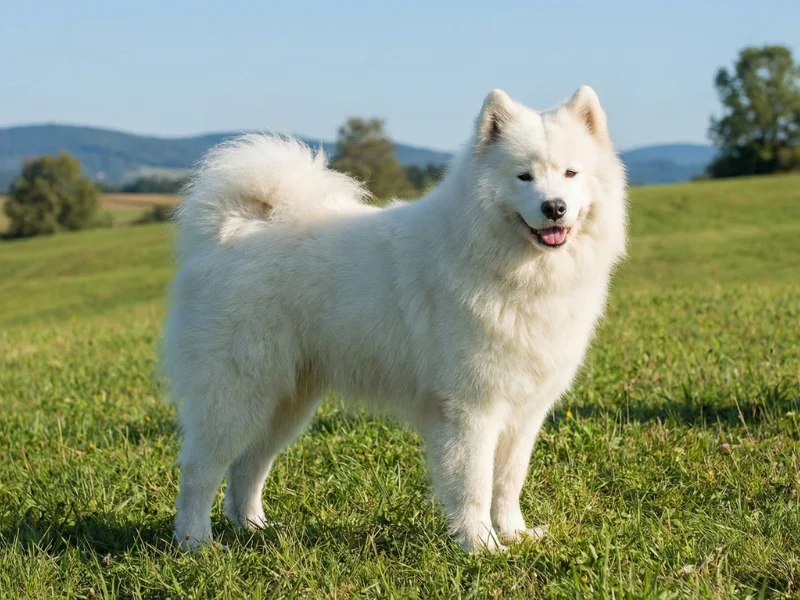
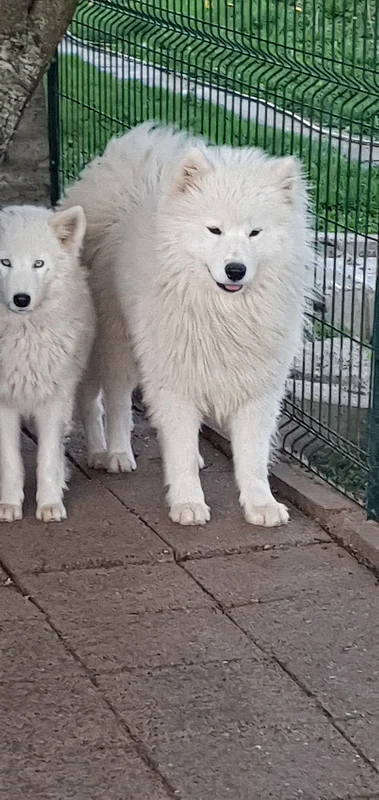
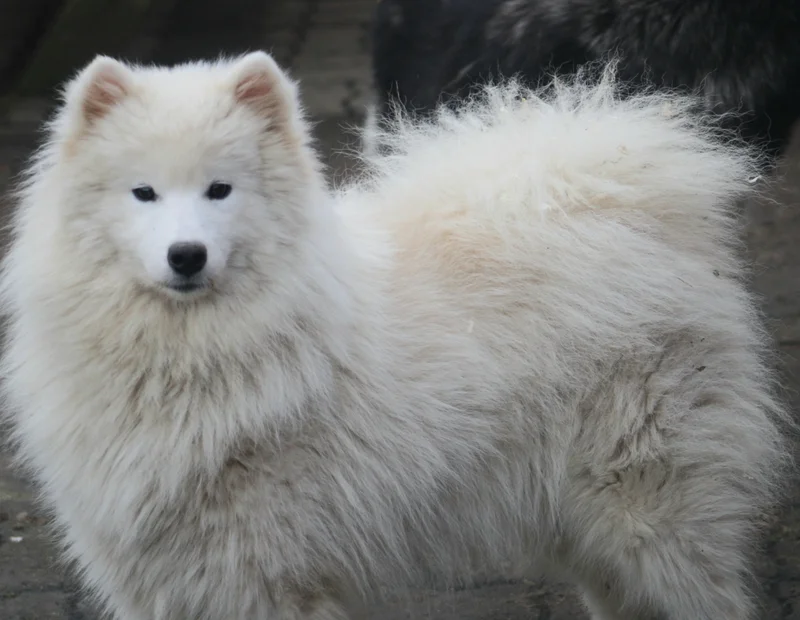
L ike an animated snowflake, the Samoyed immediately captivates with its pristine white coat and legendary joyful expression. This medium-sized Spitz-type dog exudes natural elegance combined with undeniable ruggedness. Males stand between 21 and 23.5 inches at the withers with a weight of 45 to 65 pounds, while females measure 19 to 21 inches and weigh 35 to 50 pounds.
Its exceptional coat constitutes its visual signature: a double coat composed of a short, soft, dense undercoat topped by long, straight, harsh guard hairs forming the outer coat.
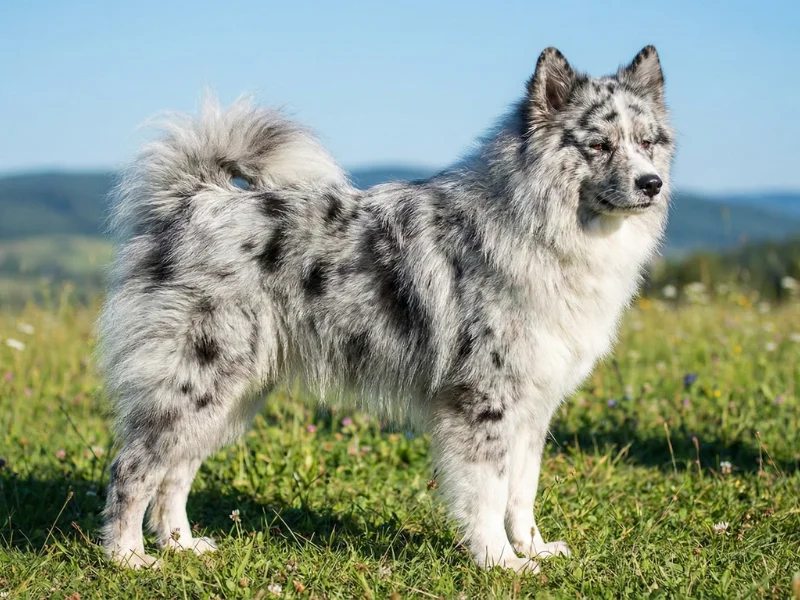
This natural armor enables it to withstand the most extreme temperatures. Males display an impressive ruff around the neck and shoulders, which is particularly striking. Only pure white, cream, or biscuit colors are accepted by the standard.
The strong, well-proportioned head features a moderately long muzzle ending in a black nose. Its small, almond-shaped eyes of dark color, combined with the slightly upturned corners of the lips, create that famous "Samoyed smile" that melts all hearts.
The triangular ears, erect and well-spaced, enhance its alert and curious expression. Its plumed tail carried curled over the back or to the side completes this harmonious silhouette.
Regarding temperament, the Samoyed embodies canine joie de vivre. Naturally sociable and affectionate, it holds a special devotion to children, becoming their tireless playmate.
Energetic and playful, it nonetheless retains a certain independence inherited from its Nordic ancestors. Its powerful voice announces visitors, though it makes a poor watchdog given how warmly it greets strangers.
Personality
T he Samoyed radiates a contagious zest for life that brightens every moment spent in its company.
Naturally sociable and friendly, this cheerful companion holds a special adoration for children, becoming their tireless playmate. Its legendary patience with youngsters reflects its gentle nature and well-balanced temperament.
Its independent streak, inherited from its Nordic ancestors, in no way diminishes its deep attachment to its family. However, it tolerates prolonged solitude poorly and prefers to remain by its favorite humans' side.
Its expressive personality manifests through a powerful voice it uses generously to communicate, alert, or simply participate in household activities.
As for watchdog abilities, do not count on this breed for guarding! Its extreme sociability leads it to greet strangers with enthusiasm rather than suspicion.
This intelligent and curious dog retains an occasionally stubborn temperament that requires patience and consistency during training. Its cheerful nature and permanent smile more than compensate for these minor daily challenges.
Photo Gallery


Breed Characteristics
General Information
- Category: Approval
- Origin: Russia
- FCI Recognition: Yes (Group 5)
- Est. monthly upkeep: 60-90
- Daily exercise: 90 minutes
Key Facts
- Height: 48.00 to 57.00 cm
- Weight: 15.00 to 30.00 kg
- Life expectancy: 12 to 14 years
- Average price: 1000.00 to 2500.00 €
-
Grooming frequency:9/10
Training Tips
Begin training as soon as the puppy arrives at around 8 weeks by establishing a solid bond of trust. The Samoyed, intelligent yet independent, requires patience and absolute consistency. His sometimes stubborn temperament calls for positive methods based on rewards and encouragement rather than excessive firmness. Early socialization is of paramount importance to develop his natural confidence and adaptability. The assistance of a professional trainer greatly facilitates learning the fundamental basics. Short, engaging sessions maintain his keen attention.
Health & Common Conditions
General Health
The Samoyed benefits from a robust constitution inherited from millennia of adaptation to extreme Siberian conditions.
This hardy breed displays exceptional cold resistance thanks to its protective double coat. Its genome, very close to that of the primitive wolf, attests to its natural genetic soundness and well-preserved ancient heritage.
Its tolerance to climate variations is impressive, although it copes less well with hot weather due to its dense coat. The average life expectancy of 12 to 14 years reflects overall excellent vitality.
This longevity is notably explained by historical selection favoring the most resilient and high-performing individuals.
Nevertheless, certain hereditary predispositions warrant attention and monitoring. Regular veterinary check-ups enable early detection of potential health conditions.
A balanced diet suited to its high activity level, combined with optimal weight maintenance, greatly contributes to preserving its long-term health and maximizing its quality of life.
Common Conditions
Despite its overall hardiness, the Samoyed has several breed-specific predispositions that warrant attention. Hip and elbow dysplasia occasionally affects active dogs of medium build, causing lameness and joint pain.
Screening radiographs enable early detection and appropriate management through medication or surgery if necessary.
Progressive retinal atrophy, an X-linked hereditary degenerative disease, gradually impairs night vision followed by day vision, potentially leading to blindness.
Dilated pupils serve as a warning sign. Familial glomerulopathy, an X-linked collagen deficiency, can lead to chronic renal failure requiring rigorous veterinary monitoring.
Diabetes occasionally affects this breed, manifesting as lethargy, loss of appetite, and weight loss. Fortunately, responsible breeders perform genetic testing on their breeding stock, significantly reducing the transmission of these conditions.
Diligent preventive care, up-to-date vaccinations, and annual health evaluations maximize the chances of a long and fulfilling life.
Care & Living Environment
Daily Care
The Samoyed's magnificent coat requires a regular commitment to maintain its natural luster. Under normal conditions, brushing two to three times per week is sufficient to remove dead hair and keep the coat properly aerated.
This routine also allows you to check the condition of the skin and strengthen the bond with this devoted companion.
Be prepared for seasonal shedding periods in spring and fall! Hair loss becomes quite dramatic during these times, transforming your home into a snow-covered landscape.
Daily brushing is essential during these phases to manage the avalanche of undercoat that is released. Investing in appropriate tools such as a slicker brush and an undercoat rake greatly facilitates this task.
Nails require monthly trimming, while twice-weekly tooth brushing maintains optimal dental hygiene. The erect ears, being naturally well-ventilated, simply require occasional inspection.
The immaculate white coat cleans itself surprisingly well, with baths remaining infrequent unless particularly necessary. This self-cleaning coat is a practical advantage appreciated by owners.
Recommended Living Environment
His need for space and intense physical activity makes him poorly suited to small urban dwellings. This Nordic breed particularly enjoys temperate to cool climates and tolerates summer heat poorly, requiring special precautions during hot weather.
Recommended Activities
Agility channels his boundless energy while engaging his keen intelligence. Canicross and hiking with dogs satisfy his need for long, active outings.
Musical freestyle transforms training into a dynamic game he particularly enjoys.
Daily sessions of a minimum of one and a half to two hours ensure his physical and mental balance, preventing undesirable behaviors associated with boredom.
Frequently Asked Questions
Yes, the Samoyed sheds heavily, particularly during seasonal coat blows in spring and fall. During these periods, the dense undercoat releases massively, literally transforming your home into a snowy landscape. Daily brushing becomes essential at this time. During normal periods, two to three brushings per week are sufficient to manage moderate shedding. The self-cleaning coat has the advantage of staying relatively clean without frequent bathing.
The Samoyed can technically live in an apartment, but this presents a real challenge. This highly active dog requires a minimum of one and a half to two hours of daily exercise. Without a yard, you will need to provide multiple long outings several times a day to meet its significant physical needs. Its high energy level and powerful voice make it poorly suited to small urban spaces. A home with a large fenced yard is truly the ideal environment for this breed to thrive.
The Samoyed displays a joyful and sociable temperament that wins over all hearts. Naturally affectionate, he shows particular devotion to children with whom he demonstrates remarkable patience. His famous smile perfectly reflects his cheerful and optimistic nature. However, this independent dog can be stubborn during training. He also possesses a highly expressive voice which he uses generously to communicate. His extreme sociability makes him a poor watchdog.
Although generally robust, the Samoyed has some genetic predispositions that should be monitored. Hip dysplasia can affect this active breed, causing lameness and joint pain that may sometimes require surgical intervention. Progressive retinal atrophy gradually impairs vision, potentially leading to blindness. Familial glomerulopathy can lead to chronic kidney failure. Fortunately, responsible breeders perform genetic testing on their breeding stock.
The price of a Samoyed puppy registered with a reputable kennel club ranges from 1000 to 2500 euros depending on several factors. The lineage of the parents, their show record, the breeder's reputation, and the health guarantees offered directly influence the price. Puppies from champion bloodlines or prestigious lineages command the highest prices. This cost reflects the rigorous selection work, health testing performed, and the care provided to the puppies during their first weeks of life.
Expert Rating
Overall rating for the Samoyed
This overall rating is calculated from 7 key criteria: activity level, trainability, guarding ability, child and animal friendliness, grooming frequency and barking level.
Activity level
Trainability
Sociability
Guarding ability
Latest registered Samoyed
Dogs of this breed recently added to the FBKC registry
Hatchi
WHITE
France
Mona
WHITE
France

Hatchi
WHITE
France
Breeds from the Same Group
Discover other dog breeds from the same group