
Why Mix Dog Breeds? The Goals Behind Hybrid Breeding
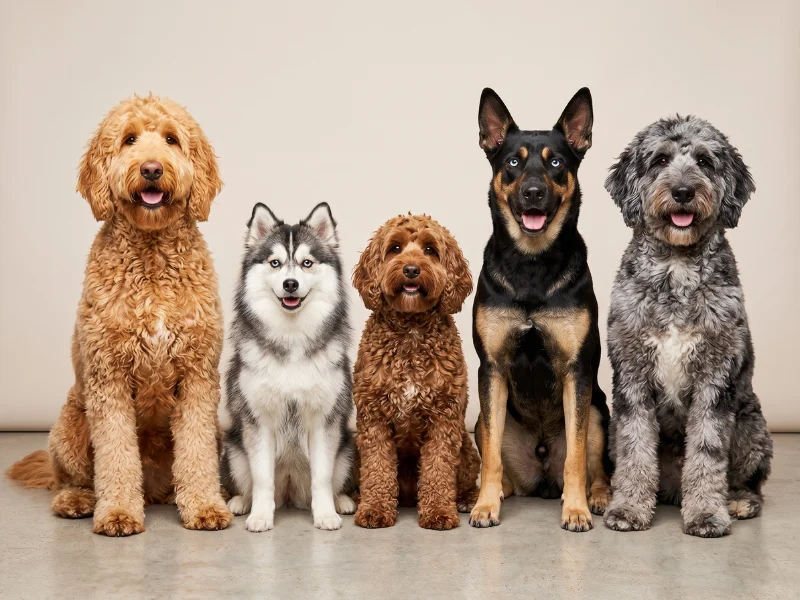
Labradoodle, Cockapoo, Goldendoodle… we love the names, but do we actually know why these mixes exist in the first place?
If you're here, that question has been bugging you, and honestly, it's a great one to ask. Behind every hybrid breed, there's a real intention: better health, a specific temperament, a gap that purebreds just couldn't fill. It's not always pretty, sometimes it's controversial, but it's almost always more thought-through than people give it credit for. Let's get into it.
What Exactly Is a Hybrid Dog Breed?
The word gets thrown around a lot. But most people couldn't actually explain what it means. Mixed breed, crossbreed, designer dog... these are not the same thing. Understanding the difference matters a lot, especially when you're trying to find the right dog for your lifestyle.
• Hybrid, Crossbreed or Mixed Breed: What's the Difference?
A crossbreed is what you get when two different purebred dogs mate, sometimes by accident, sometimes on purpose. A designer dog is always intentional: a breeder picks two specific breeds to combine their best traits. That's a big deal. It shifts the whole conversation from chance to deliberate breeding strategy.
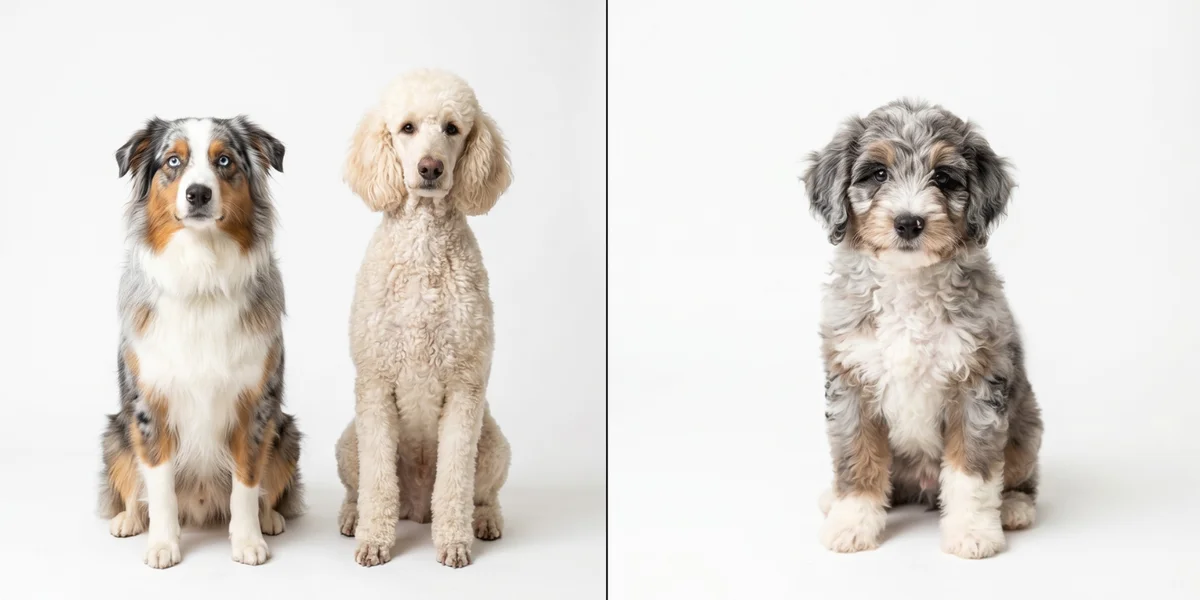
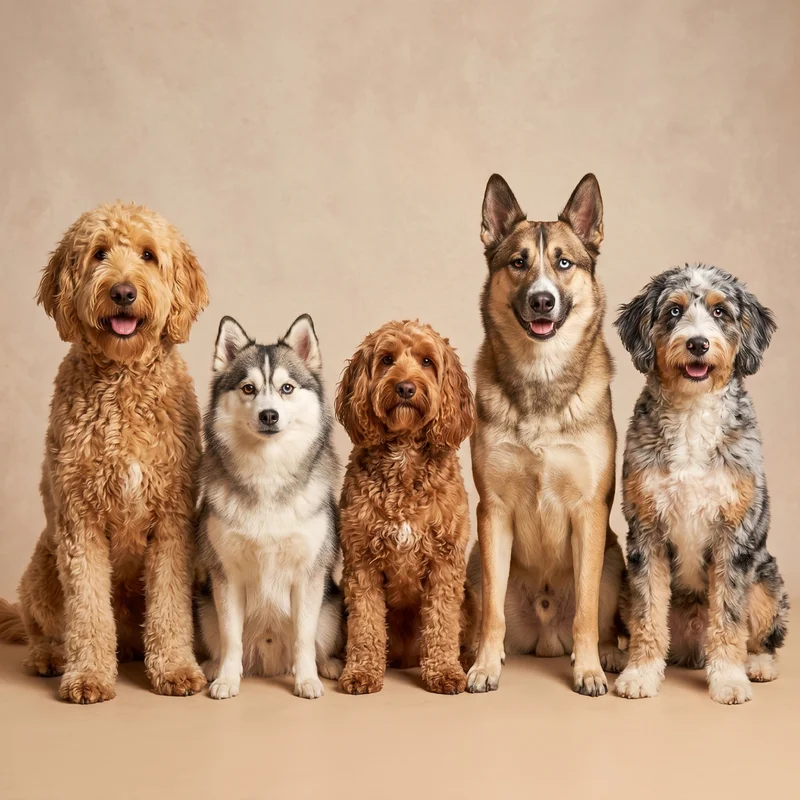
A mixed breed, on the other hand, has unknown or multi-generational ancestry with no clear lineage. These three categories are very different in terms of intent and predictability. Mixing them up is like calling a home cook and a Michelin-star chef the same thing. The Aussiedoodle, for example, is a carefully planned cross between the Australian Shepherd and the Poodle.
• How a New Hybrid Breed Actually Comes to Life
It always starts with a goal. A breeder spots a gap: a breed that's too fragile, too high-energy, or has a coat that doesn't work for allergy sufferers. They pick two complementary breeds and pair their best individuals. The first litters make up the F1 generation, the most genetically unpredictable stage, where puppies in the same litter can look and behave very differently from each other.
Over time, repeated selection brings consistency. Some crosses eventually earn full breed recognition after decades of serious, documented work. The Belusky, a cross between the Belgian Shepherd and the Siberian Husky, is a great example of how a hybrid gradually builds its own identity and reputation over generations.
Health First: The #1 Reason Breeders Cross Dogs
Crossbreeding is never just about looks. Behind most breeding decisions, there's a real conversation about health. And that's exactly where genetics gets interesting, for better and sometimes for worse.
• Hybrid Vigor: Fact, Fiction or Convenient Marketing?
Hybrid vigor, scientifically known as heterosis, is a real and well-documented phenomenon. When two genetically distant breeds are crossed, the healthy dominant alleles from one parent often override the defective recessive ones from the other. The result is generally stronger, more resilient puppies.
The VetCompass program at the Royal Veterinary College, drawing on data from over 2 million dogs across UK veterinary practices, confirms that crossbreeds live an average of 1.2 years longer than purebreds. Modest on paper, but statistically rock solid.
That said, it's not a magic fix. If both parent breeds carry the same genetic weaknesses, crossing them won't solve anything. A responsible breeder knows this. That's why selecting the right breeding stock matters far more than simply picking two different breeds and hoping for the best.
• Cutting Down on Genetic Diseases Passed Down by Purebreds
Some purebreds carry decades of intensive selection focused almost entirely on appearance. The side effect? Extremely narrow gene pools, and hereditary conditions that keep showing up generation after generation. Hip dysplasia, heart problems, breathing issues in flat-faced breeds... the list goes on. Thoughtful crossbreeding widens that gene pool and meaningfully lowers those risks.
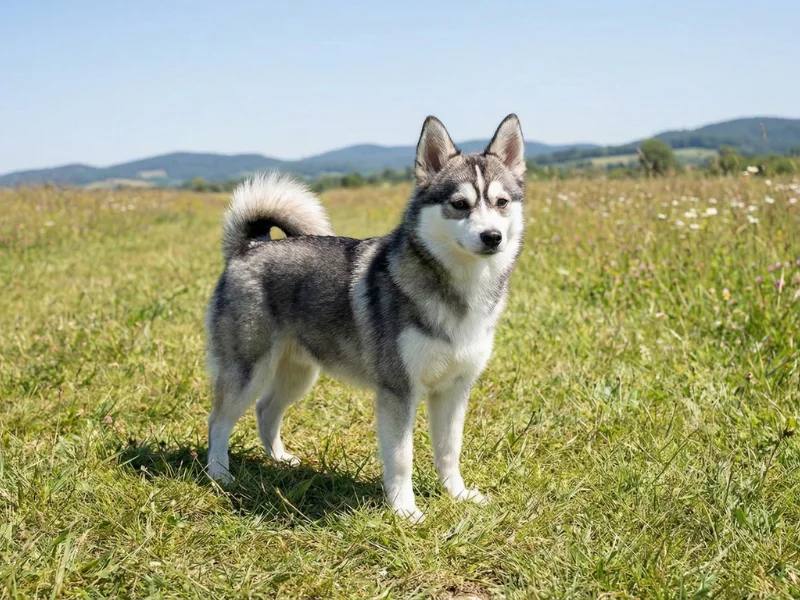
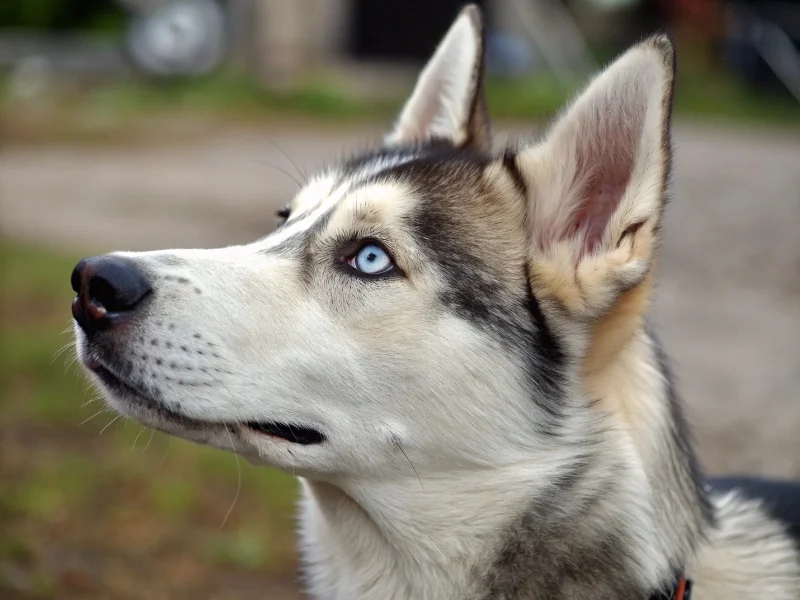
Take the Pomsky: by crossing the Siberian Husky with a Pomeranian, breeders get a smaller dog with a much more balanced temperament.
The Husky's notorious independence softens, sociability goes up, and overall health tends to improve. It's a solid example of a cross where better health and a better personality move in the same direction.
The Cavapom follows a similar logic, blending the gentle nature of the Cavalier King Charles with the Pomeranian's liveliness while reducing some of the cardiac vulnerabilities common in the Cavalier line.

Personality, Size, Coat: Building the "Perfect" Dog
A dog that barely sheds, stays calm in an apartment but lights up around kids, not too big, not too small... That's not wishful thinking. That's exactly what serious breeders are working toward, one generation at a time.
• Shaping Temperament to Fit a Modern Lifestyle
The way people live has changed a lot. Apartments, young kids, elderly owners, remote workers... Dogs now need to fit environments that most purebreds were never bred for. A Husky in a city flat with no outdoor space is a tough situation for everyone involved. A German Shepherd with a sedentary owner, same story. Thoughtful crossbreeding allows breeders to dial in energy levels, sociability and independence to match a specific living situation.
The Cockapoo is a great example of this in action. The Cocker Spaniel brings warmth and sensitivity, while the Poodle adds intelligence and trainability.
The result is a dog that works just as well for an active family as it does for someone living alone. Gentle, playful, easy to handle, and not dominant at all. That's not luck, that's intentional breeding.
• The Physical Traits Breeders Chase Most Often
Temperament is one thing, but physical traits drive a lot of crossbreeding decisions too. Size tends to come first: most people today want a compact dog that fits city life and travels easily. Right behind that comes coat type, with strong demand for dogs that shed little to nothing, especially among allergy sufferers or people who'd rather not vacuum every single day.
That said, a so-called "hypoallergenic" coat is never a guaranteed outcome in a crossbreed. Genetics don't follow a script, especially in F1 litters where one puppy might inherit the Poodle's curly coat and the next gets the Labrador's shedding one. That's exactly why serious breeders work across multiple generations to lock in these physical traits and give future owners something they can actually count on.

The Controversy Around Hybrid Breeding
Crossbreeding has its fans and its fierce critics. Purebred advocates, responsible breeders and market opportunists all have something to say. And honestly? Both sides make points worth hearing.
• Are Purebred Dogs Being Pushed Out by Designer Breeds?
This one comes up a lot. The honest answer is: not really. Purebred dogs have their own clubs, breed standards, shows and deeply devoted communities. The rise of Goldendoodles isn't going to wipe out the Belgian Malinois or the Dobermann.
The real threat to purebred health isn't crossbreeding at all. It's decades of intensive inbreeding within the breeds themselves, which has left some with a dangerously narrow gene pool and serious inherited health issues.
The bigger problem is what's happening from the inside. Some purebred breeders keep pushing physical traits to extremes that hurt the dogs. The French Bulldog is the most documented case: a skull so flat that breathing becomes a daily struggle, and a body shape that makes natural birth nearly impossible. That conversation goes way beyond anything related to crossbreeding.
• When Crossbreeding Becomes a Pure Money-Making Game
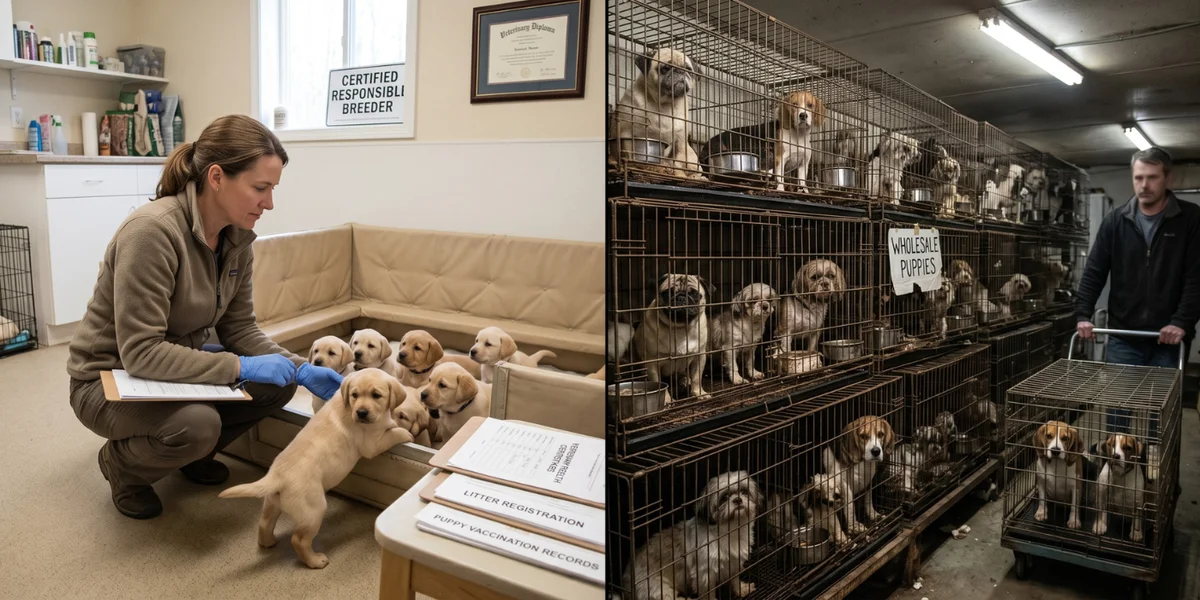
This is where things get genuinely problematic. Wally Conron, the Australian breeder who created the Labradoodle in the 1980s, has publicly said he regrets it. His original goal was legitimate, but what followed was a wave of irresponsible mass breeding with no health testing, no selection standards and prices that often topped those of purebreds. All packaged with a cute Instagram photo.
The issue isn't crossbreeding itself. The issue is that designer dogs operate in a near-total regulatory vacuum. Unlike recognized breeds, there's no mandatory framework requiring health screening on breeding dogs. Anyone can cross two dogs, slap an "oodle" name on the puppies and sell them at a premium. That's exactly why knowing who you're buying from matters more than the breed name on the listing.
Picking a Hybrid Dog: What You Actually Need to Know
You've heard the arguments for and against. Now comes the real question: is it the right call for you? And if it is, how do you go about it the right way? Here's what actually matters when you're ready to move forward.
• The Right Questions to Ask a Breeder Before You Commit
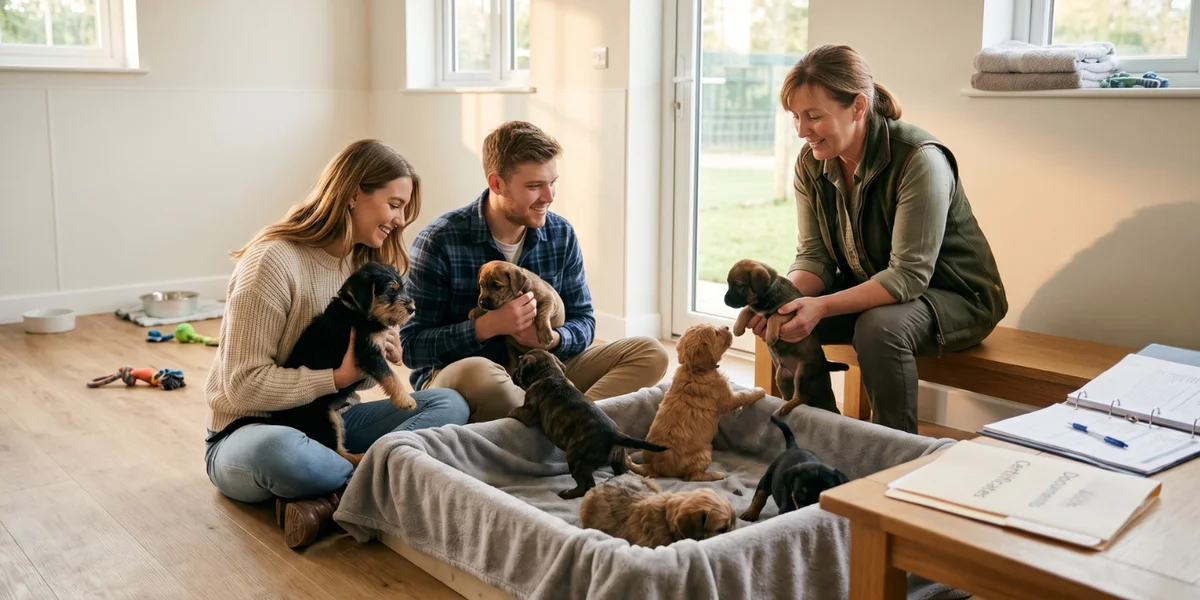
A serious breeder doesn't dodge questions. They welcome them. Start with the most telling one: the health test results for both parent dogs. Hip dysplasia, eye conditions, cardiac issues... every parent breed comes with its own known risks, and a responsible breeder screens for them before breeding. If the breeder gets vague or defensive on this point, that tells you everything you need to know.
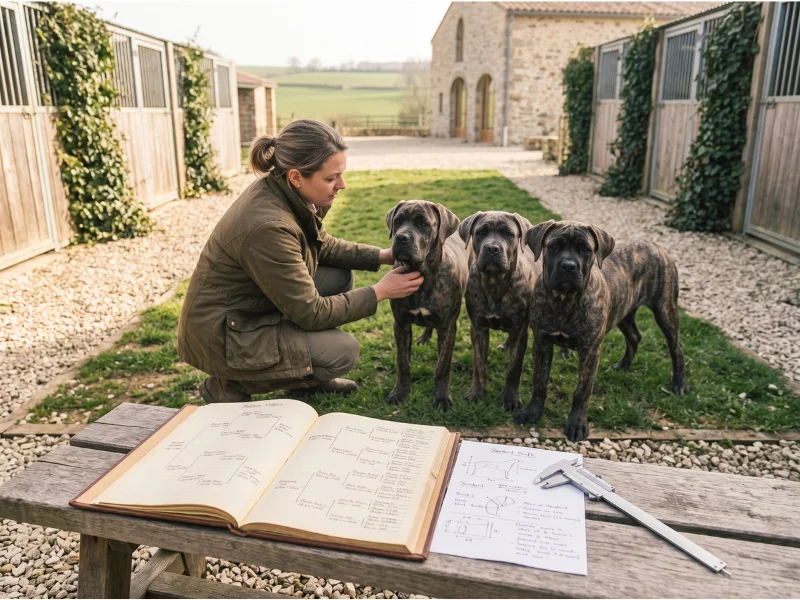
Next, ask to meet the mother in person. Her temperament, her physical condition and how she interacts with her puppies will tell you far more than any photo online. Also ask how many generations the breeder has been working this specific cross. Someone on their third or fourth generation has a much stronger grip on type stability than someone who crossed two dogs for the very first time last spring.
• Hybrid or Purebred: How to Honestly Pick the Right Fit for You
The straight answer: it depends on what you actually need. If you want a dog with a very predictable character, a well-established standard and a structured community of breeders behind it, a purebred is still a strong choice. If you're after a specific size, a coat that works for allergies, or a temperament that blends two complementary qualities, a well-bred designer dog might be exactly what you're looking for.
Either way, the number one rule stays the same: whatever the breed or cross, it's always the breeder who makes or breaks it. A careless breeder can produce an unhealthy purebred. A serious one can produce a balanced, healthy, well-socialized crossbreed. Take the time to visit, ask the hard questions, and trust your gut as much as your research.
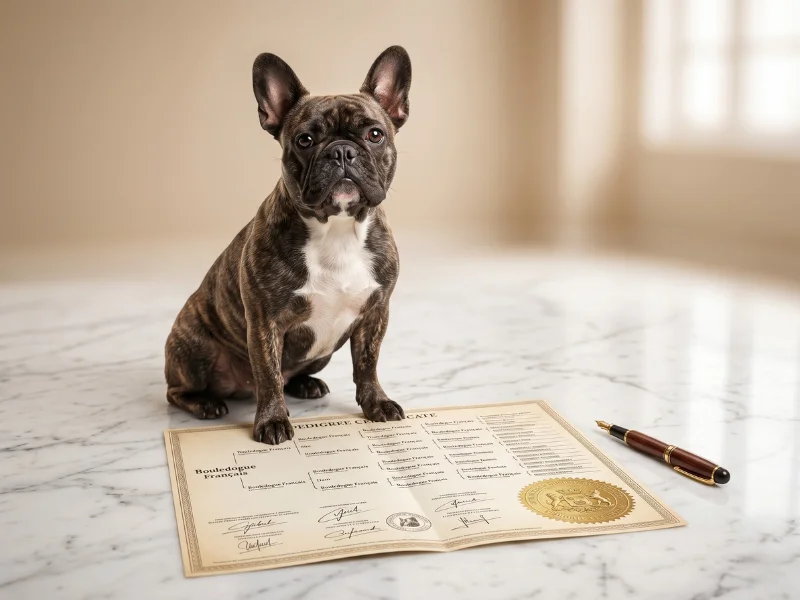
And if you want a real guarantee of traceability, a dog sold with a recognized pedigree is still the strongest safety net you can have. A pedigree is the dog's full paper trail: parents, grandparents, health screenings.
At FBKC, crossbred dogs can be officially registered and tracked just like purebreds. It's a serious step that protects the buyer just as much as the dog. Because a cute "oodle" name is fun. But actually knowing where your dog comes from? That's priceless.
Frequently asked questions
A hybrid dog is the result of intentional crossbreeding between two purebred dogs. Unlike a random mixed breed, it comes from a deliberate decision: the breeder selects two specific breeds to combine their best qualities, whether that's health, temperament, coat type or size.
Generally, yes. The VetCompass program at the Royal Veterinary College confirms crossbreeds live an average of 1.2 years longer than purebreds.
Greater genetic diversity lowers the risk of inherited diseases. That said, it always depends on the parent breeds and how responsibly the breeder works.
Absolutely, and it's highly recommended! A pedigree provides full traceability: parents, grandparents and health screening results.
Registries like FBKC allow crossbred dogs to be officially recorded, giving buyers a real guarantee and a clear picture of where their dog actually comes from.
A serious breeder shares health test results for both parent dogs, lets you meet the mother in person and has been working the same cross over multiple generations.
They ask you as many questions as you ask them. If they can't explain their breeding choices clearly, walk away.
Honestly, it depends on your lifestyle! A well-bred crossbreed suits people with allergies or those looking for a specific size and temperament mix.
A purebred offers more predictability in character and appearance. Either way, the breeder always matters more than the breed name.
Breeds mentioned in this article