
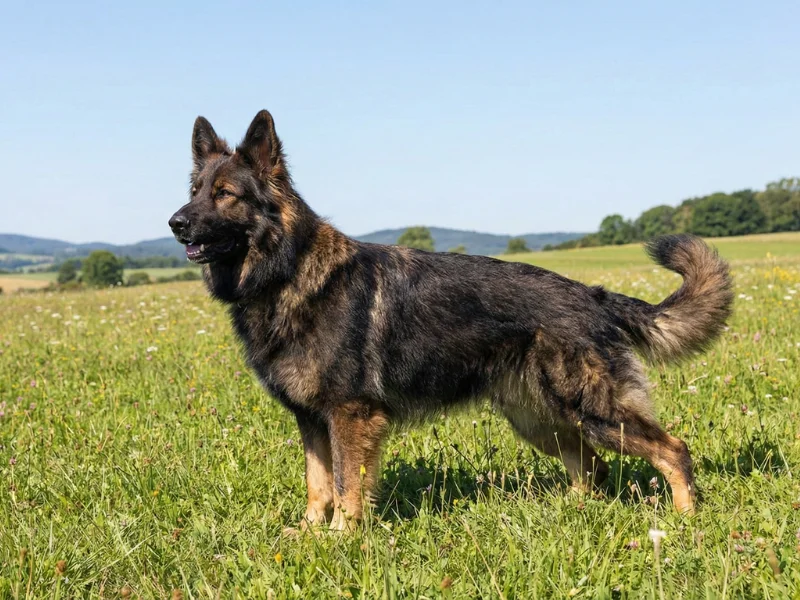
Altdeutscher Schäferhund
Other names: Berger Allemand ancien type, Ancien Berger Allemand, Berger Allemand type ancien poil long, Berger d'Allemagne de l'Est, AS
Embodying robustness and natural elegance, the Altdeutscher Schäferhund captivates with its athletic presence and penetrating gaze. This medium to large-sized dog displays a harmonious and muscular silhouette, measuring between 62 and 68 cm at the withers for males and 55 to 62 cm for females. Weight varies considerably dep... Read more
Are you a breeder or owner of a Altdeutscher Schäferhund?
Create your free account and request your dog's pedigree in just a few clicks. Use our tools to manage your kennel and select your breeding stock in the best conditions.
Are you a breeder or owner of a Altdeutscher Schäferhund?
Create your free account, manage your kennel and pedigree requests with our tools.
Create my accountHistory & Origin
T he history of the Altdeutscher Schäferhund is rooted in the visionary work of Captain Max von Stephanitz, who created the first German Shepherd in 1899 from traditional German herding dogs. Horand von Grafrath, renamed after initially being called Hector Linksrhein, became the founding sire of the entire breed.
The decisive turning point occurred during the Cold War, between 1947 and 1991, when the two Germanys were separated. While West Germany developed German Shepherds selected for appearance with an angulated topline and black and tan coat, East Germany took a radically different path.
The government of the German Democratic Republic established a rigorous performance-based selection program to create border patrol dogs capable of working in extreme conditions.
These DDR (Deutsche Demokratische Republik) lines prioritized temperament, health, hardiness, and a straight back to prevent dysplasia. The dogs had to be powerful, courageous, intelligent, loyal, and possess an excellent nose.
Their long coat and dense undercoat protected them from harsh winters. After the fall of the Berlin Wall in 1990, many of these dogs were unfortunately sold, abandoned, or euthanized, having suddenly become obsolete.
Fortunately, dedicated breeders in Germany, Belgium, Holland, England, and the United States preserved these precious ancestral bloodlines. Although not recognized by the FCI, the Altdeutscher Schäferhund is experiencing growing popularity today, valued for its authentic qualities as a working dog and well-balanced family companion.
Description
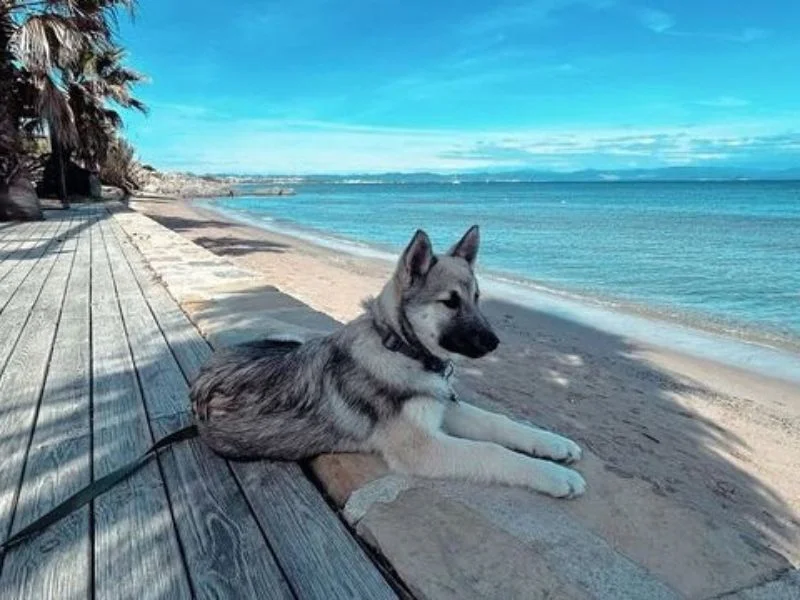
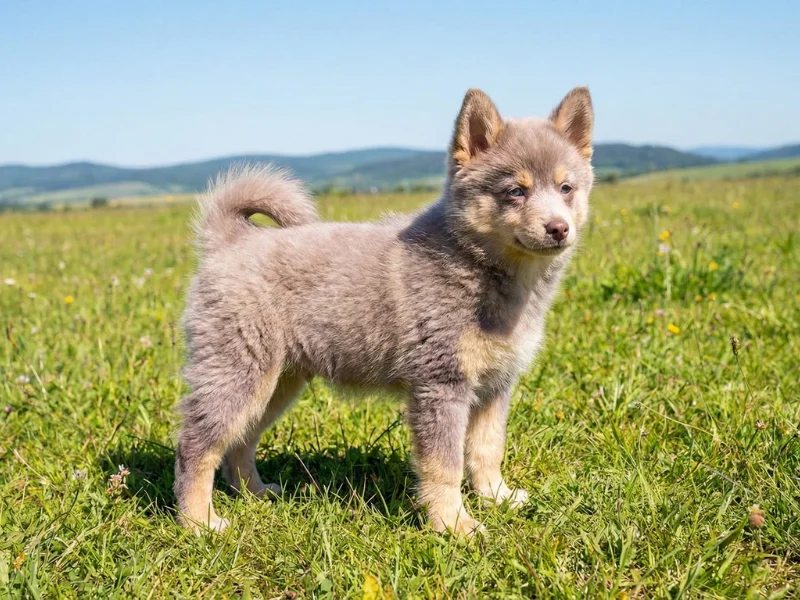
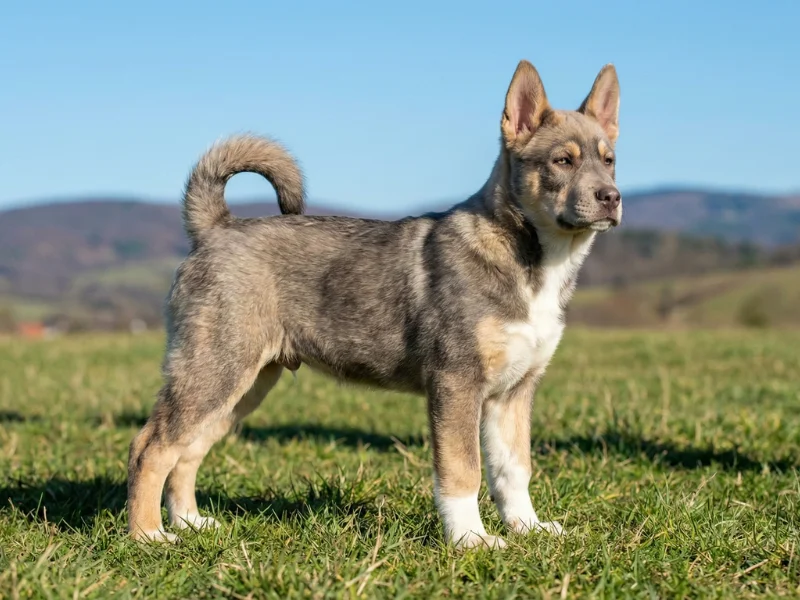
E mbodying robustness and natural elegance, the Altdeutscher Schäferhund captivates with its athletic presence and penetrating gaze. This medium to large-sized dog displays a harmonious and muscular silhouette, measuring between 62 and 68 cm at the withers for males and 55 to 62 cm for females. Weight varies considerably depending on bloodlines, ranging between 30 and 50 kg.
Its coat constitutes its visual signature: a long-haired, weather-resistant double coat with a dense, plush undercoat that enables it to withstand the harshest weather conditions.
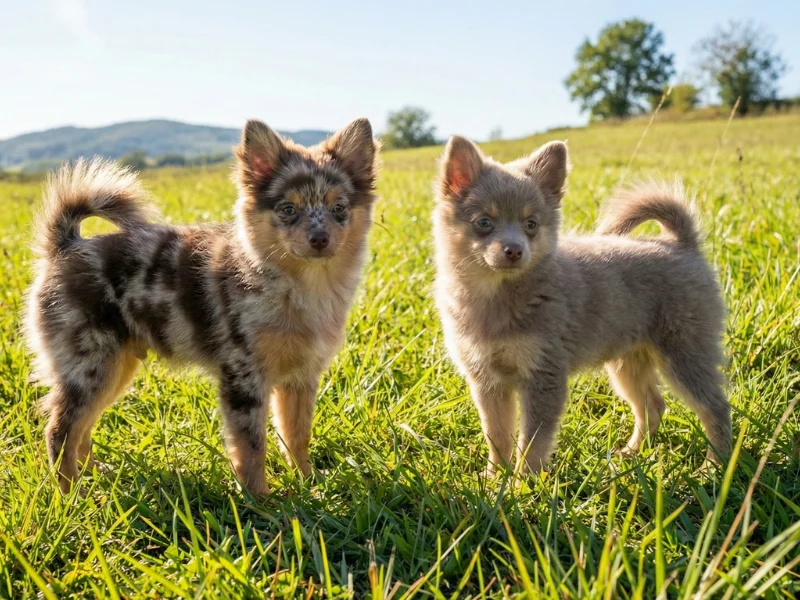
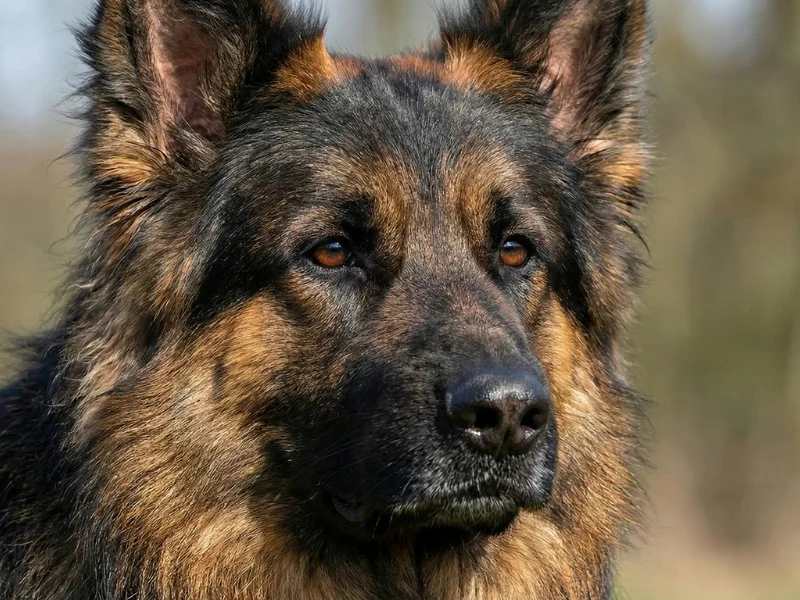
The coat comes in varied and striking colors – solid black, black and tan, black and sable, black and silver, shaded fawn, shaded sable, shaded silver, blue, blue and tan, or blue and sable. The coat becomes particularly abundant in winter, creating a magnificent mane around the neck and feathering on the legs.
Its expressive head features a well-defined stop and an elongated muzzle typical of German Shepherds. The erect ears catch the slightest sound, reflecting its natural vigilance.
Its back remains perfectly straight, unlike modern German Shepherds, giving it a fluid and balanced gait. This big-hearted guardian combines remarkable intelligence with unwavering loyalty, developing deep bonds with its family while maintaining a confident and composed temperament.
Personality
T he Altdeutscher Schäferhund embodies unconditional loyalty and intelligence in service to its family. This devoted companion develops deep bonds with its owners, naturally following their movements from room to room.
Its balanced temperament combines liveliness at work with calmness at home, adapting readily to various everyday situations.
Possessing a remarkable capacity for learning, this breed responds with discernment to stimuli in its environment. Neither fearful nor aggressive, it displays quiet courage and natural confidence.
Its protective instinct is expressed with moderation, watching over family members without excessive suspicion. With children, it demonstrates remarkable patience, tolerating their play with admirable forbearance.
Note, however, that temperament varies according to lineage: German lines produce more assertive and confident temperaments, while American lines yield more sensitive and thoughtful dogs. This intelligent breed appreciates having a role to fulfill and thrives when given tasks that stimulate its mental abilities.
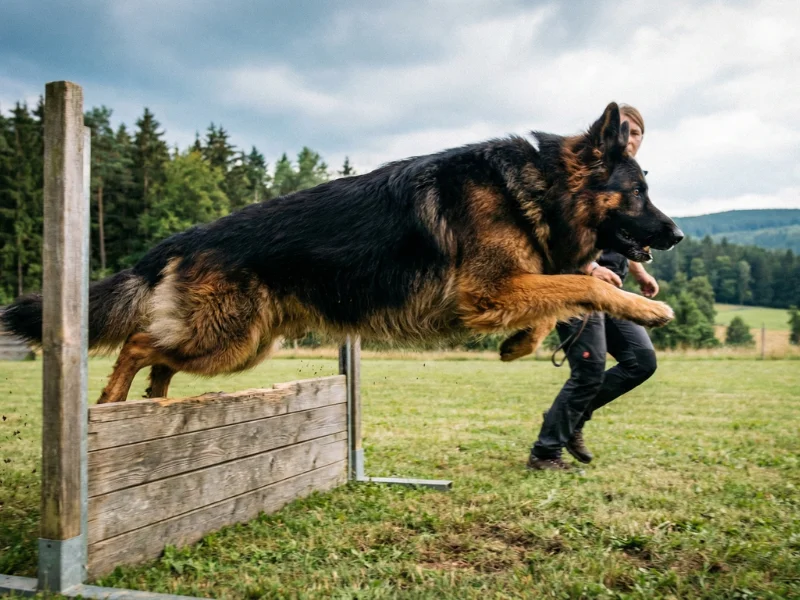
Photo Gallery


Breed Characteristics
General Information
- Category: Guard
- Origin: Germany
- FCI Recognition: No
- Est. monthly upkeep: 70-120
- Daily exercise: 120
Key Facts
- Height: 55.00 to 66.00 cm
- Weight: 30.00 to 50.00 kg
- Life expectancy: 10 to 13 years
- Average price: 1000.00 to 2000.00 €
-
Grooming frequency:7/10
Training Tips
Training begins as soon as the puppy arrives home, around 8 weeks of age, taking advantage of its great learning capacity. Positive reinforcement methods based on rewards work admirably with this intelligent dog that naturally seeks to please its owner. Kind firmness and consistency yield excellent results, while confrontational approaches prove counterproductive with lines displaying a strong temperament. Early socialization with people, dogs, and varied environments shapes a well-balanced and confident adult.
Health & Common Conditions
General Health
The Altdeutscher Schäferhund possesses a robust constitution, the result of rigorous selection conducted over decades in East Germany.
These lines prioritized health and hardiness above all, producing dogs capable of withstanding harsh weather conditions and demanding tasks. This heritage provides natural vitality and remarkable endurance.
Its dense coat and well-balanced physical structure offer effective protection against the elements. The straight back characteristic of the breed, in contrast to the sloped topline of modern German Shepherds, naturally limits certain orthopedic issues.
Responsible breeders systematically perform hip and elbow radiographs prior to any breeding, selecting only individuals rated A or B for hips and 0 or 1 for elbows.
Regular veterinary examinations help maintain this companion in excellent condition. When properly cared for and correctly fed, the Altdeutscher Schäferhund can be expected to live between 10 and 13 years in good health. Its system responds positively to quality nutrition suited to its activity level and attentive preventive care.
Common Conditions
Despite its overall hardiness, the Altdeutscher Schäferhund exhibits a predisposition to hip and elbow dysplasia, hereditary conditions affecting the joints.
These malformations can cause lameness, difficulty rising, and joint pain. Fortunately, radiographic screening prior to breeding significantly reduces their incidence in responsible breeding programs.
The breed may also develop degenerative lumbosacral stenosis, a syndrome affecting the lumbosacral region that can lead to mobility issues. Gastric torsion represents another concern in large, deep-chested dogs, requiring particular attention to feeding multiple smaller meals and allowing rest periods after eating.
Prevention remains the best approach: selecting a reputable breeder who performs required health testing, maintaining optimal weight to protect the joints, providing appropriate exercise without excess during growth, and consulting a veterinarian promptly at the first sign of any abnormality. A balanced diet and joint supplements can also support orthopedic health throughout the dog's life.
Care & Living Environment
Daily Care
The long, dense coat of the Altdeutscher Schäferhund requires regular attention without being overly demanding. Weekly brushing is typically sufficient to maintain a silky coat and prevent matting, particularly behind the ears, under the legs, and around the mane.
During the two annual shedding seasons, in spring and fall, brushing frequency increases to three or four sessions per week to manage the significant undercoat loss.
Bathing should remain occasional, only when necessary, as frequent washing can compromise the natural protection of the water-resistant coat.
Ear inspection and cleaning should be performed weekly to prevent infections. Nails require monthly trimming if natural wear is insufficient. Dental hygiene, often overlooked, warrants weekly brushing with canine toothpaste to prevent tartar buildup.
After outings in natural areas, thoroughly check the coat for plant debris, foxtails, or parasites. Eyes require gentle cleaning as needed. This grooming routine quickly becomes an enjoyable bonding opportunity, strengthening your relationship while monitoring overall health.
Recommended Living Environment
The Altdeutscher Schäferhund adapts to various living environments, including apartments, provided that its daily exercise needs are fully met.
A house with a fenced yard represents the ideal setting, offering a personal space to relax and naturally patrol. Its dense coat provides effective protection from the cold, but it appreciates having a shaded shelter during the summer heat.
This family dog prefers living in close contact with its people rather than isolated outdoors.
Recommended Activities
Working sports such as search and rescue showcase his natural abilities. Puzzle games, scent work sessions, and obstacle courses enrich his daily routine.
Even simple walks become engaging when playful obedience exercises are incorporated.
Frequently Asked Questions
L'Altdeutscher Schäferhund represents an excellent family companion thanks to its remarkable loyalty and intelligence. It forms deep bonds with all household members, showing exemplary patience with children. Its balanced temperament combines domestic calmness with dynamism during outdoor activities.
This breed originated in East Germany during the Cold War. East German authorities developed these robust dogs as border guards, prioritizing health, hardiness, and a straight back. After the fall of the Berlin Wall in 1990, dedicated breeders in Germany, Belgium, and elsewhere have successfully preserved these DDR lines.
Yes, the Altdeutscher Schäferhund sheds during its two annual coat blows. During these spring and fall periods, its dense undercoat renews abundantly. Regular brushing becomes necessary, three to four times per week. Outside of shedding season, a weekly session is sufficient to maintain a healthy, lustrous coat.
Prices vary according to the breeder, lineage, and pedigree. Altdeutscher Schäferhund breeders set prices that reflect health testing and the quality of bloodlines, with prices ranging from €1000 to €2500. Contact recognized breeders directly to obtain accurate and up-to-date pricing information that matches your expectations and plans.
Yes, the Altdeutscher Schäferhund can live in an apartment under certain conditions. This active dog requires two hours of daily exercise with walks, play sessions, and mental stimulation. Without a yard, increase the number of outings. A dedicated and active owner will make urban living a true success, ensuring a strong bond and optimal canine well-being.
Expert Rating
Overall rating for the Altdeutscher Schäferhund
This overall rating is calculated from 7 key criteria: activity level, trainability, guarding ability, child and animal friendliness, grooming frequency and barking level.
Activity level
Trainability
Sociability
Guarding ability
Other Non-FCI Recognised Breeds
Discover other breeds not officially recognised by the FCI