
Goldendoodle
Other names: Groodle, Golden Poo, Goldie Poo, Golden Doodle, Curly Golden, Curly Retriever, Goldenpoo, Goldennoodle
Imagine a golden ball of fur that seems to have stepped straight out of a child's dream. The Goldendoodle displays a harmonious and athletic silhouette, slightly longer than tall, exuding an impression of natural elegance combined with reassuring sturdiness. Depending on the size of the Poodle used in the cross, this compan... Read more
Are you a breeder or owner of a Goldendoodle?
Create your free account and request your dog's pedigree in just a few clicks. Use our tools to manage your kennel and select your breeding stock in the best conditions.
Are you a breeder or owner of a Goldendoodle?
Create your free account, manage your kennel and pedigree requests with our tools.
Create my accountHistory & Origin
T he Goldendoodle's story begins in 1969 when Monica Dickens, a visionary breeder, conducted the first experimental crosses between Golden Retrievers and Poodles.
However, these initial attempts remained largely unknown and generated little interest within the canine community at the time.
The true rise of this hybrid breed occurred in the mid-1990s in North America and Australia, inspired by the resounding success of the Labradoodle, which had appeared a decade earlier.
Breeders then pursued a specific goal: to create an assistance and companion dog that combined the keen intelligence and hypoallergenic coat of the Poodle with the affectionate temperament and willing nature of the Golden Retriever.
This genetic combination was particularly aimed at meeting the needs of individuals with disabilities who also suffer from animal allergies.
Today, although the breed is still not officially recognized by the Fédération Cynologique Internationale, only the Goldendoodle Association of North America grants it official status.
Dedicated breeders continue their efforts to establish a consistent breed standard. The Goldendoodle's popularity continues to grow worldwide, particularly in English-speaking countries, where this versatile companion wins over families with its legendary gentle nature and remarkable adaptability.
Register your Goldendoodle with FBKC and obtain a four-generation pedigree! Our club recognizes this breed and offers breeders modern management tools with greater flexibility.
Description
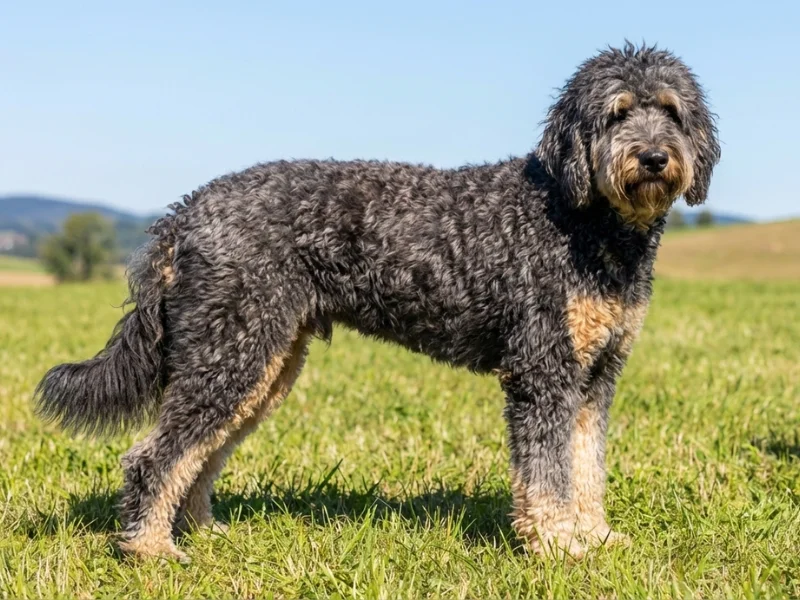
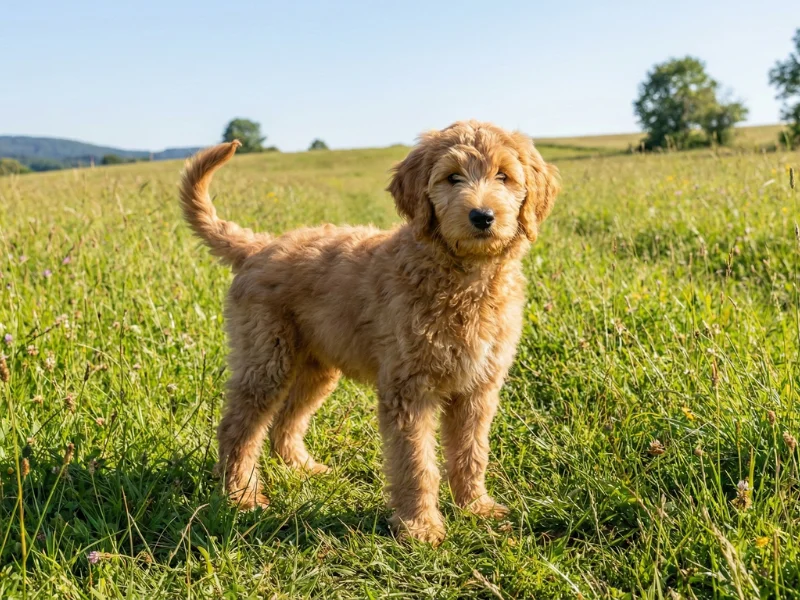
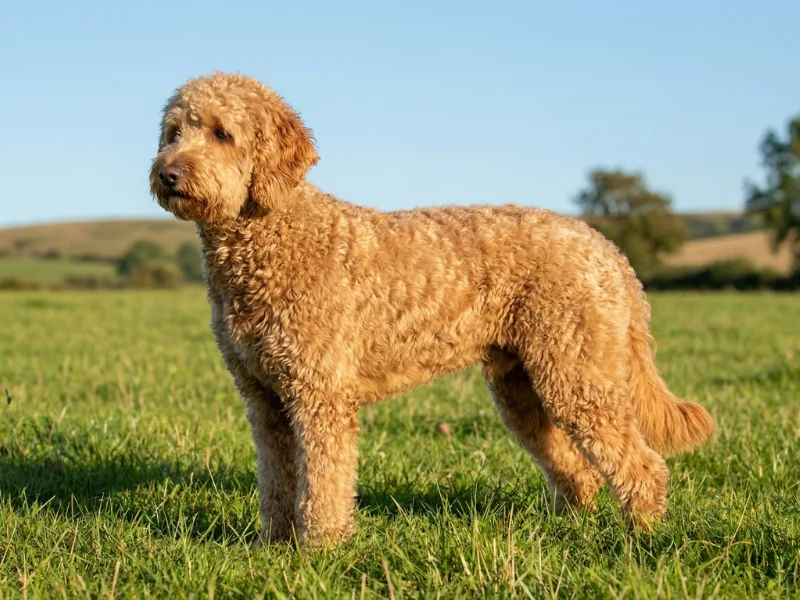
I magine a golden ball of fur that seems to have stepped straight out of a child's dream. The Goldendoodle displays a harmonious and athletic silhouette, slightly longer than tall, exuding an impression of natural elegance combined with reassuring sturdiness. Depending on the size of the Poodle used in the cross, this companion comes in three sizes: mini (13 to 33 lbs), medium (33 to 48 lbs), and standard, which can reach up to 88 lbs.
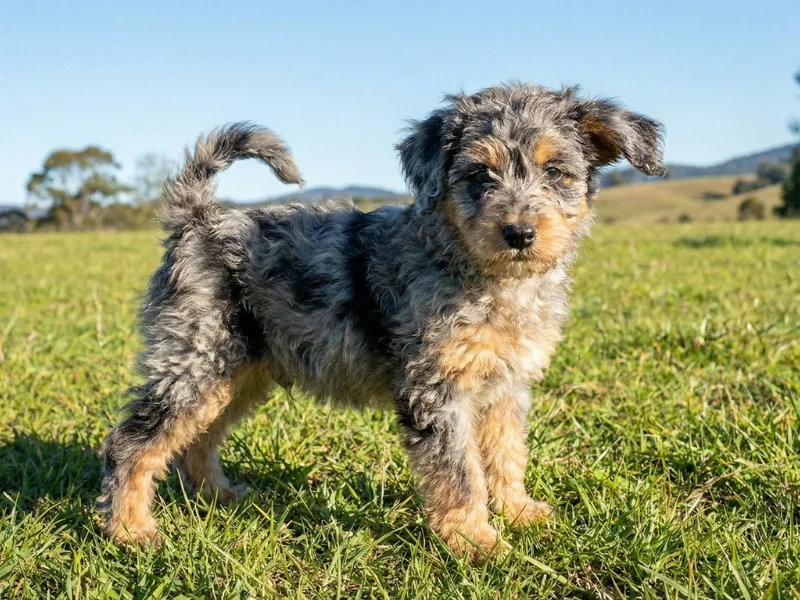
Its coat is its most remarkable visual signature: a wavy or curly fur, soft to the touch like silk, which can display a palette of colors ranging from pristine white to deep black, including golden, cream, apricot, or copper shades.
The hair remains short on the head and muzzle, while it grows generously longer on the ears, body, tail, and legs, creating a characteristic appearance.
Its oval-shaped dark eyes radiate an endearing gentleness, while its pendant ears, set at eye level, frame a domed skull that tapers toward the front.
The tail, abundantly feathered, may be carried high when alert or remain lower at rest. Beyond its living teddy bear appearance, the Goldendoodle reveals a warm and joyful temperament, always ready to participate in family activities with an infectious enthusiasm that melts hearts.
Personality
T he Goldendoodle radiates joy and overflowing affection. This sociable companion displays a deep attachment to its family, willingly following its humans from room to room with touching devotion. Its remarkable intelligence inherited from both parent breeds greatly facilitates training and makes every interaction stimulating.
Naturally playful, it expresses its happiness through contagious displays of enthusiasm that brighten everyday life. Its legendary patience with children works wonders in family households, where it participates in games with instinctive gentleness. With other animals, it proves equally welcoming, appreciating companionship in all its forms.
This gentle companion does possess a particular sensitivity: it tolerates solitude poorly and distinctly prefers to be included in family activities.
Eager to please and always ready to learn new tricks, it demonstrates natural cooperation. Its guarding aptitude remains modest, as its friendly nature inclines it more toward greeting visitors than deterring them.
Photo Gallery


Breed Characteristics
General Information
- Category: Approval
- Origin: United States
- FCI Recognition: No
- Est. monthly upkeep: 70-100
- Daily exercise: 60 minutes
Key Facts
- Height: 26.00 to 66.00 cm
- Weight: 6.00 to 40.00 kg
- Life expectancy: 10 to 15 years
- Average price: 2000.00 to 3000.00 €
-
Grooming frequency:8/10
Training Tips
Training the Goldendoodle is generally straightforward owing to its keen intelligence and natural eagerness to please. Positive reinforcement is the key to success with this sensitive companion, for whom harsh words or abrupt handling would prove counterproductive. Early socialization, beginning in the first months of life, helps channel the breed's boundless energy and natural curiosity. Brief, engaging training sessions punctuated with generous rewards yield excellent results. This breed is well suited to novice owners and experienced handlers alike, provided consistency and patience are maintained throughout the training process.
Health & Common Conditions
General Health
The Goldendoodle generally enjoys a robust constitution, benefiting from the hybrid vigor resulting from the crossing of its two healthy parent breeds.
This genetic combination often provides notable resilience, with a life expectancy that comfortably ranges between 10 and 15 years, or even longer for specimens receiving the best care.
Its allergy tolerance represents one of its major health assets, thanks to its low-shedding coat. An active lifestyle combined with a balanced diet helps optimize its longevity and overall well-being.
Miniature varieties even tend to reach more advanced ages than their standard-sized counterparts.
However, like any breed, the Goldendoodle requires regular veterinary attention to prevent potential hereditary complications. Annual health screenings allow for early detection of possible conditions.
A rigorous parasite prevention program and appropriate deworming protocols complete the preventive care regimen to ensure this companion enjoys a long and fulfilling life.
Common Conditions
The Goldendoodle may inherit genetic predispositions from its parent breeds, particularly hip and elbow dysplasia, which manifests as locomotor difficulties and lameness.
Early radiographic screening allows for appropriate adjustment of physical activity and consideration of suitable treatments, whether medical or surgical in advanced cases.
Epilepsy is also among the health concerns, causing seizures that require thorough veterinary diagnosis and sometimes lifelong treatment.
Recurrent ear infections frequently affect this breed due to its pendulous ears and predisposition to allergies. Regular cleaning of the ear canals effectively prevents these uncomfortable inflammations.
Gastric dilatation-volvulus represents a life-threatening emergency that requires particular vigilance: avoiding intense exercise within two hours of meals considerably reduces this risk.
Fortunately, making an informed choice of breeder, favoring parents that have been tested and found free of genetic defects, greatly minimizes the occurrence of these conditions.
Care & Living Environment
Daily Care
The Goldendoodle's wavy or curly coat requires regular and careful attention to maintain its full luster. Brushing two to three times per week is generally sufficient, but may become a daily requirement if the coat is kept natural and untrimmed. This routine prevents mat formation and maintains healthy skin.
Many owners opt for professional grooming every two to three months, which considerably simplifies routine maintenance. The pendant ears require weekly cleaning to prevent ear infections, particularly after outdoor excursions. Vigilance regarding grass awns and parasites is essential during country outings.
Bathing should remain occasional, as excessive frequency strips the protective layer of natural oils. Brushing the teeth several times per week preserves dental hygiene, while nails require monthly trimming if natural wear is insufficient.
Regular visits to a professional groomer ensure optimal maintenance and lasting comfort for this abundantly coated companion.
Recommended Living Environment
The Goldendoodle adapts equally well to apartment living or house dwelling, provided he receives sufficient daily outings. However, a home with a fenced yard where he can move about freely remains ideal, particularly for standard-sized varieties.
Urban life suits him well if his exercise needs are met through regular and stimulating walks. This companion tolerates prolonged solitude poorly and requires an almost constant presence, whether human or animal.
Temperate climates suit him best, with particular attention needed during extreme temperatures.
Recommended Activities
Retrieving games fulfill its retriever instinct, whether on land or in water. Tracking and truffle hunting stimulate its remarkable sense of smell.
Therapy and assistance work perfectly suit its empathetic temperament. Canicross and long hikes satisfy its need for daily exercise, while puzzle games channel its boundless mental energy.
Frequently Asked Questions
The Goldendoodle represents an excellent option for allergy sufferers thanks to its hypoallergenic coat inherited from the Poodle. It sheds very little, which reduces the dispersal of allergens in the home environment. However, no dog is completely hypoallergenic. Some individuals may still experience reactions to skin dander. It is strongly recommended to spend time with a Goldendoodle before adoption to verify individual allergy compatibility.
Acquiring a Goldendoodle puppy represents a significant investment, with prices generally ranging between 2000 and 3000 euros, sometimes more depending on the lineage. This high price is explained by the relative scarcity of this hybrid breed in Europe and the growing demand. The reputation of the breeder, the sex of the puppy, and its intended purpose also influence the price. In addition to the purchase cost, monthly expenses for upkeep are estimated between 70 and 100 euros, including food, grooming, and preventive veterinary care.
The Goldendoodle adapts quite well to apartment living provided it receives sufficient daily outings, ideally two to three walks per day totaling 60 to 90 minutes. The mini or medium size is better suited to limited spaces than the standard variety. This breed does not tolerate prolonged solitude well and may express its distress through barking. A regular presence is therefore necessary. A fenced yard is a welcome bonus but not mandatory if exercise needs are met through stimulating activities.
The Goldendoodle enjoys a commendable lifespan, typically living between 10 and 15 years. Smaller specimens often reach more advanced ages than their standard-sized counterparts, with some even exceeding this average when provided with proper care.
This hardiness results from the hybrid vigor inherited from the Golden Retriever and Poodle. An active lifestyle, balanced nutrition, and regular veterinary care optimize this life expectancy. Annual examinations allow for early detection of potential health conditions.
Le Goldendoodle requires regular but manageable maintenance. Its wavy or curly coat requires brushing two to three times per week to prevent matting. Many owners opt for professional grooming every two months, which greatly facilitates daily upkeep. The pendant ears require weekly cleaning to prevent ear infections. Bathing remains occasional. Dental brushing and nail trimming complete the monthly routine. This breed sheds minimally, reducing household cleaning compared to other breeds with abundant coats.
Expert Rating
Overall rating for the Goldendoodle
This overall rating is calculated from 7 key criteria: activity level, trainability, guarding ability, child and animal friendliness, grooming frequency and barking level.
Activity level
Trainability
Sociability
Guarding ability
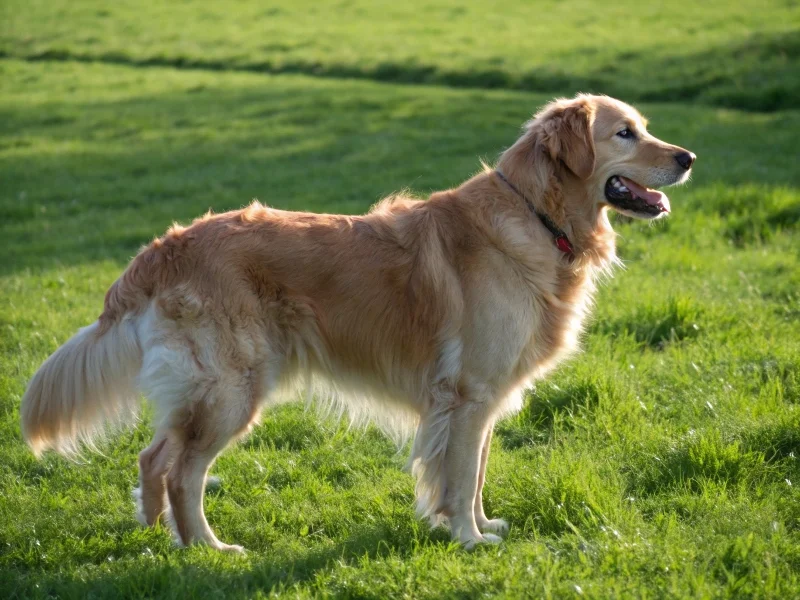
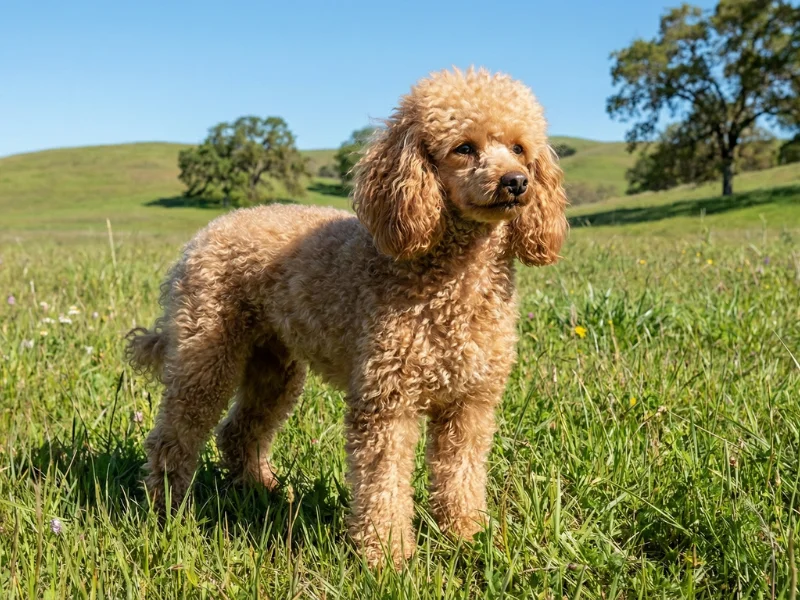
Parent Breeds
Discover the breeds that make up the Goldendoodle
About this crossbreed
The Goldendoodle is an intentional crossbreed developed in the 1990s in North America and Australia, inspired by the success of the Labradoodle.
The goal was to combine the hypoallergenic coat of the Poodle with the affectionate and willing temperament of the Golden Retriever, thereby creating an ideal assistance dog for individuals with allergies.
First generation puppies, known as F1, carry 50% of each parent breed and generally exhibit the greatest predictability in temperament. Subsequent generations (F2, F3) may be bred back to one of the parent breeds or between Goldendoodles, resulting in increased variability in size, coat type, and temperament.
Although not recognized by the Fédération Cynologique Internationale, the Société Centrale Canine, or the American Kennel Club, the Goldendoodle enjoys official recognition from the Goldendoodle Association of North America.
Our FBKC club officially recognizes this hybrid breed, unlike traditional registries, thereby offering breeders the opportunity to register their dogs and obtain four-generation pedigrees. This recognition reflects the quality and increasing stability of this modern breed, valued for its exceptional versatility.
Other Non-FCI Recognised Breeds
Discover other breeds not officially recognised by the FCI