
Maltipoo
Other names: Malt-A-Poo, Malti-Poo, Maltepoo
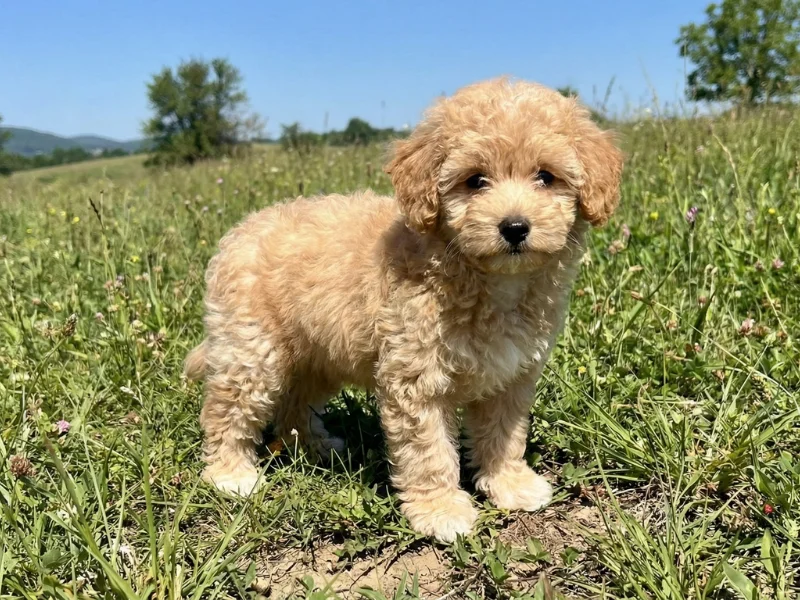
An adorable ball of fluff with the look of a living plush toy, the Maltipoo captures hearts at first sight! This pocket-sized little dog displays a harmonious and well-proportioned silhouette despite its small stature. Standing between 20 and 30 centimeters at the withers and weighing between 2 and 6 kilogr... Read more
Are you a breeder or owner of a Maltipoo?
Create your free account and request your dog's pedigree in just a few clicks. Use our tools to manage your kennel and select your breeding stock in the best conditions.
Are you a breeder or owner of a Maltipoo?
Create your free account, manage your kennel and pedigree requests with our tools.
Create my accountHistory & Origin
T he Maltipoo story begins in the United States during the 1980s-1990s, amid the "designer dogs" movement. American breeders pursued an ambitious goal: to create the perfect urban companion by combining the exceptional qualities of the Maltese and the Miniature or Toy Poodle.
This thoughtful cross aimed to produce a small, hypoallergenic companion dog, easy to maintain and blessed with a pleasant temperament, ideal for novice owners.
The Maltese, an ancient breed cherished for centuries as a lapdog of high society ladies, contributed its legendary gentleness and easygoing character.
The Poodle, once a water retriever turned symbol of elegance and intelligence, brought its remarkable cognitive abilities and its coat renowned for being low-shedding. The pairing of these two breeds proved particularly harmonious, as both parent breeds already shared many behavioral similarities.
The Maltipoo quickly won the hearts of American families during the 1990s, becoming a cultural phenomenon across the Atlantic. Its irresistible teddy bear face and charming temperament melted even traditional breeders typically skeptical of hybrids.
Today, although not officially recognized by the Fédération Cynologique Internationale or major kennel clubs, the Maltipoo enjoys growing popularity in Europe.
Its reputation continues to spread, attracting an ever-increasing number of households seeking an endearing small-sized companion.
We offer the opportunity to register your Maltipoo with the FBKC, a modern alternative officially recognizing this hybrid breed. Obtain a 4-generation pedigree using our tools.
Description
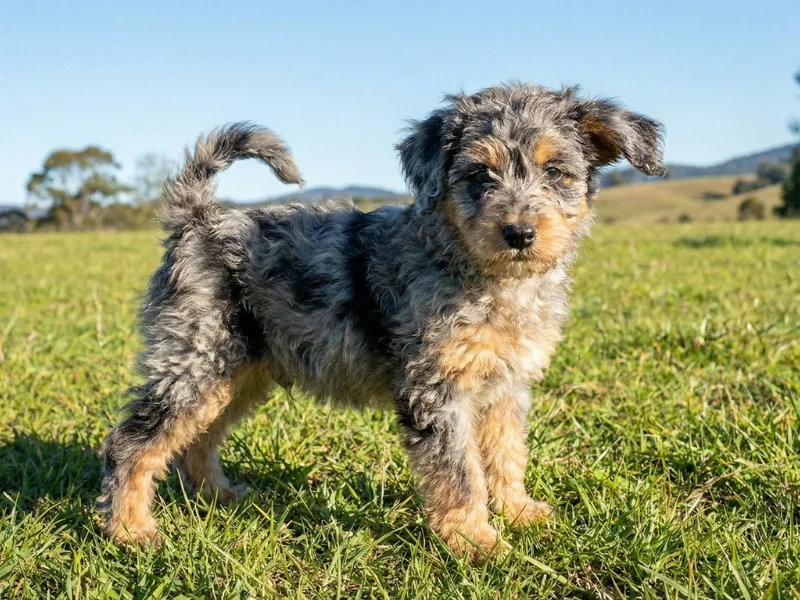
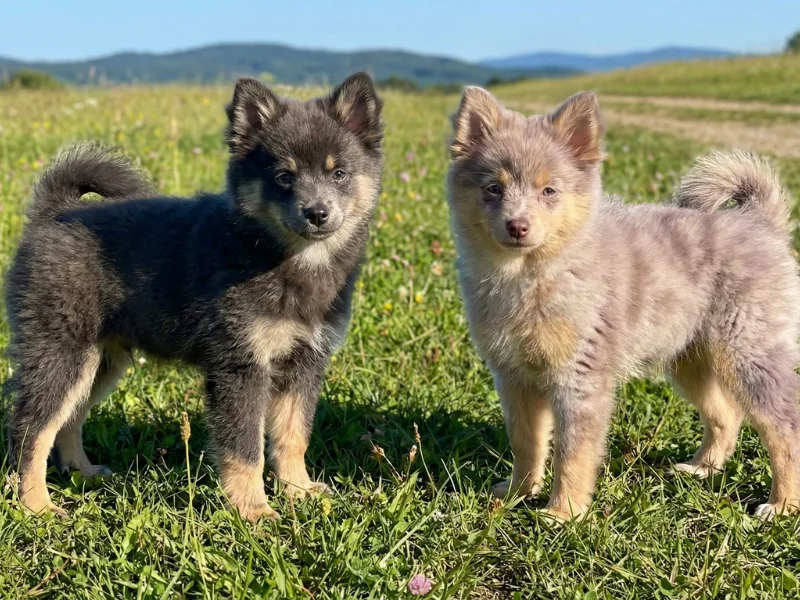
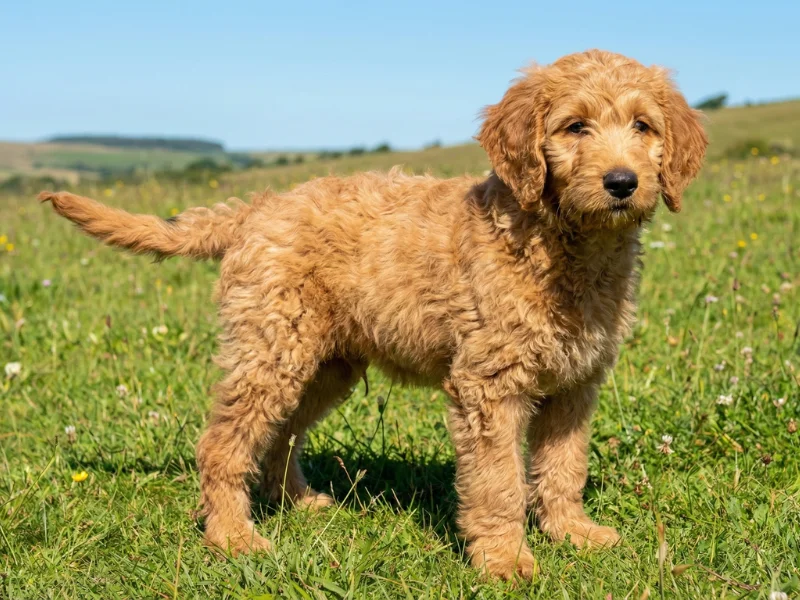
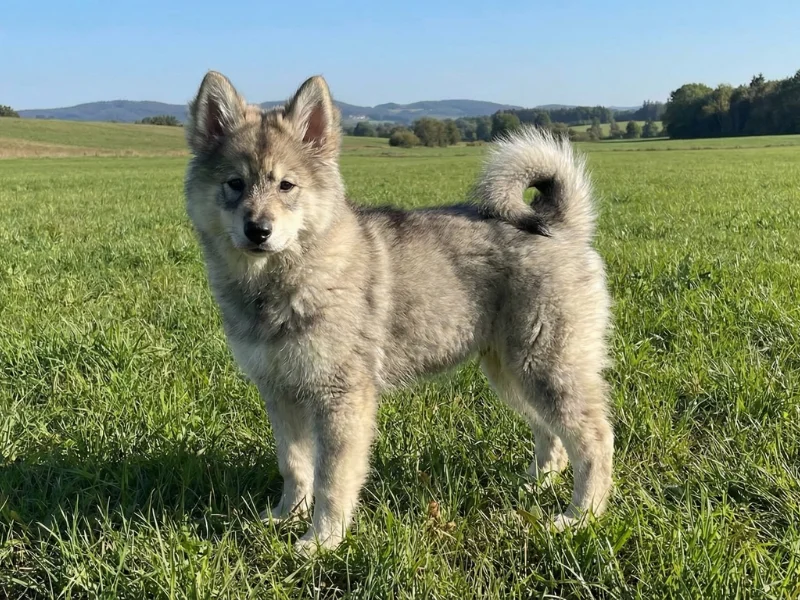
A n adorable ball of fluff with the look of a living plush toy, the Maltipoo captures hearts at first sight! This pocket-sized little dog displays a harmonious and well-proportioned silhouette despite its small stature. Standing between 20 and 30 centimeters at the withers and weighing between 2 and 6 kilograms, it fits easily into any household.
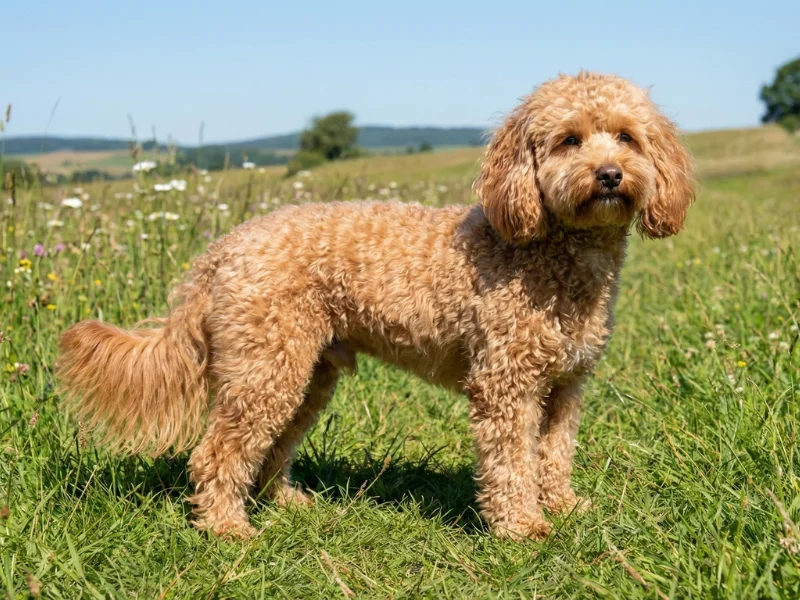
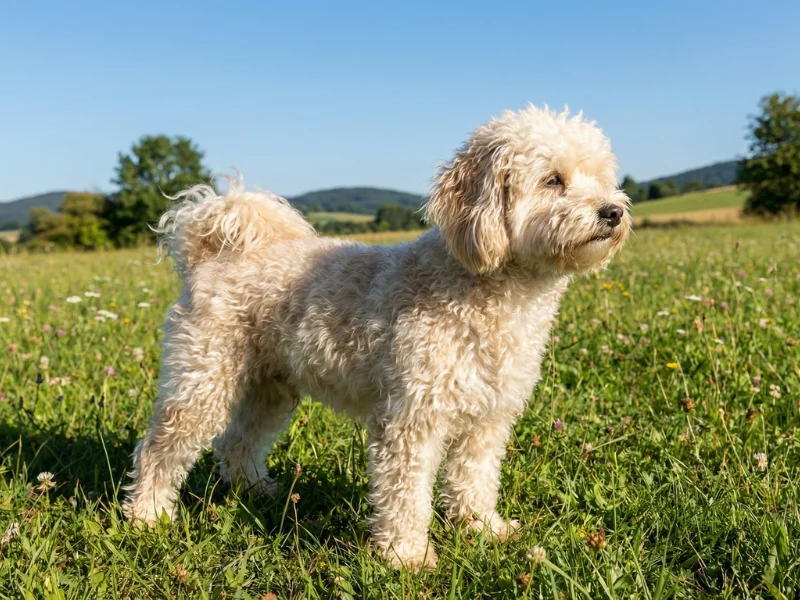
Its coat is its distinctive hallmark: silky, medium-length, and delightfully curly or wavy, it recalls either the tight curls of the Poodle or the softness of the Maltese.
The color palette is generous: pure white, deep black, warm apricot, soft fawn, cream, or champagne. Some even sport bicolor coats, often adorned with lighter markings on the forehead, face, or chest.
Its round head features a subtle stop, framed by small drop ears that accentuate its endearing expression.
Its round, dark eyes, sparkling with intelligence and mischief, reflect its playful temperament. The muzzle varies according to genetic predominance: longer and narrower in those who inherit more from the Poodle, rounder in those who take after the Maltese.
Its short to medium-length tail is carried proudly when alert, sometimes gracefully curved over the back. Its cheerful and affectionate character shines through in every movement: always ready to play, cuddle, or simply share in the daily life of its adoptive family.
Personality
T he Maltipoo embodies pure joie de vivre! This little companion with an upbeat temperament spreads good cheer wherever he goes.
Affectionate and cuddly, he loves spending hours snuggled up against his favorite human on the couch, yet instantly transforms into a ball of energy when playtime begins. His devotion to his family is evident through his constant presence and touching attentiveness to everyone's emotions.
Blessed with a keen intelligence inherited from the Poodle, he quickly understands his owners' expectations and actively seeks to please them.
His natural sociability works wonderfully with children, making him their ideal playmate. He generally gets along well with other dogs and can coexist harmoniously with other pets, even cats!
Curious and bold despite his small size, he observes the world with eyes sparkling with mischief.
A word of caution, however: this charmer can be somewhat wary of strangers and will not hesitate to announce their arrival with a few enthusiastic barks.
His need for companionship is significant, as prolonged solitude weighs heavily on him. This little velcro dog definitely prefers to participate in all family activities!
Photo Gallery

Breed Characteristics
General Information
- Category: Approval
- Origin: United States
- FCI Recognition: No
- Est. monthly upkeep: 50-80
- Daily exercise: 45 minutes
Key Facts
- Height: 15.00 to 30.00 cm
- Weight: 2.00 to 6.00 kg
- Life expectancy: 12 to 15 years
- Average price: 800.00 to 2000.00 €
-
Grooming frequency:8/10
Training Tips
Begin training as soon as the puppy arrives home, around 8 weeks of age. This little prodigy learns with remarkable ease thanks to intelligence inherited from the Poodle and the docile nature of the Maltese. Positive reinforcement training based on rewards, encouragement, and play works wonderfully. Treats and affection transform each session into quality bonding time. This breed's sensitivity requires gentleness and patience—avoid any harsh methods. Early socialization with people, other dogs, and various environments is essential for developing a well-balanced adult. Pay particular attention to recall training and bark management, as this enthusiastic little watchdog can be quite vocal. Keep training sessions short and engaging to maintain focus. This eager-to-please dog excels at learning fun tricks!
Health & Common Conditions
General Health
The Maltipoo generally enjoys a robust constitution, resulting from the hybrid vigor phenomenon that often characterizes thoughtful crossbreedings.
This natural vitality allows him to fully enjoy life for approximately twelve years, or even longer with appropriate care. His small size predisposes him to a certain longevity, an appreciable characteristic of small-sized breeds.
His hypoallergenic coat constitutes a valuable asset for families sensitive to allergies, although caution is still advised. However, like any hybrid dog, he may inherit genetic predispositions from his parent breeds. Variability between individuals remains significant depending on the predominance of Maltese or Poodle genes in his heritage.
Regular veterinary visits, ideally annual, allow for monitoring his overall condition and early detection of potential concerns.
A balanced diet suited to his small size, rigorous dental hygiene, and attentive coat maintenance greatly contribute to preserving his health. Vaccine prevention and parasite control remain essential for this small indoor companion who nevertheless enjoys his daily outings.
Common Conditions
Patellar luxation ranks among the primary health concerns in this small dog. This joint condition, common in toy breeds, causes the kneecap to slip out of place, resulting in lameness and discomfort.
Early screening allows for appropriate treatment options to be considered. Eye problems, particularly infections and corneal ulcers, require regular monitoring, especially if the hair around the eyes is not kept trimmed short.
The drop ears predispose the breed to recurrent ear infections, which require weekly preventive cleaning. Dental fragility, common to small breeds, necessitates frequent brushing to prevent tartar buildup.
Hip dysplasia, although less common in dogs of this size, can occur. White dog shaker syndrome, a benign neurological condition, occasionally affects some individuals.
Heart disease and certain cancers may also develop, particularly in aging dogs. Fortunately, attentive veterinary care, responsible breeder selection practices, and appropriate preventive care significantly minimize these risks. The generous life expectancy of this breed reflects its overall good health.
Care & Living Environment
Daily Care
Daily brushing constitutes the cornerstone of Maltipoo grooming. Its curly or wavy coat, while shedding minimally, tangles easily without regular care. A few minutes each day with an appropriate brush prevents the formation of unsightly and uncomfortable mats. Dead hair remains trapped within the dense coat structure, hence the importance of daily brushing.
Professional grooming visits every two to three months are necessary to maintain a hygienic and attractive trim.
Bathing with a mild, appropriate shampoo, unlike with other breeds, may be done monthly to remove deep-seated dirt and restore coat luster. The pendant ears require thorough weekly cleaning to prevent infections. The eyes require daily attention: gentle cleaning and verification that hair is not irritating the cornea.
Dental hygiene requires brushing several times weekly, or even daily, to counteract the tartar buildup tendency common in small breeds. Nails wear down minimally in this indoor companion and require monthly trimming. After each walk, inspect the coat to manually remove leaves, twigs, or other plant debris.
Recommended Living Environment
Apartment living suits this small-sized dog perfectly, as it does not require considerable space. Its compact build allows it to thrive even in small urban dwellings, provided it receives its daily outings.
A house with a fenced yard is nevertheless an appreciated bonus for this lively and energetic dog who loves to explore safely.
It adapts remarkably well to temperate climates but does not tolerate extreme temperatures well, particularly intense cold. Its coat provides moderate protection against the elements. The regular presence of its family matters more than the size of the home: this companion cannot tolerate prolonged solitude.
Recommended Activities
Scent work sessions involving hidden objects or treats ideally stimulate his keen intelligence.
Agility adapted for small dogs channels his energy while strengthening your bond. He also excels at learning amusing tricks that engage his remarkable cognitive abilities. Interactive games and canine puzzles prevent boredom during indoor days.
Avoid overly intense exercise or repetitive jumping that could stress his delicate joints. Cuddle time on the couch counts just as much as physical activity for this affectionate companion!
Frequently Asked Questions
The Maltipoo does indeed possess a low-allergen coat inherited from its Maltese and Poodle parents. It sheds very little, which limits the dispersal of allergens in the home. However, please note: no dog is completely hypoallergenic. Dander and saliva also contain allergenic proteins. Before adoption, consult your physician for testing.
Daily brushing represents the foundation of Maltipoo grooming. His curly coat tangles easily without regular care, quickly forming uncomfortable mats. A few minutes each day with a suitable brush is sufficient. Add grooming appointments every two to three months to maintain a hygienic trim. His dense coat retains dead hair, hence the importance of rigorous maintenance.
Le Maltipoo fait un wonderful family companion thanks to its natural gentleness and playful temperament. It loves playing with children and shows patience during their interactions. Its small size, however, makes it fragile around toddlers. This breed is best suited for children over five years of age who can understand and respect its small stature. Always supervise interactions for the well-being of all.
The adult Maltipoo generally stands between 20 and 30 centimeters at the withers, with a weight ranging from 2 to 6 kilograms. This variability depends on the size of the parent dogs used, particularly whether the Poodle parent was a Toy or Miniature variety. Some individuals remain quite small while others reach the upper end of the range. Its compact size makes it an ideal lap dog, easy to take with you wherever you go.
Yes, absolutely! The Maltipoo thrives wonderfully in an urban apartment thanks to its small size and moderate exercise requirements. Thirty to forty-five minutes of daily outdoor activity is sufficient to keep this breed content. It appreciates indoor comfort and adapts well to smaller living spaces. A yard is a welcome bonus but by no means essential. Regular companionship from its family matters far more than square footage for this affectionate companion.
Expert Rating
Overall rating for the Maltipoo
This overall rating is calculated from 7 key criteria: activity level, trainability, guarding ability, child and animal friendliness, grooming frequency and barking level.
Activity level
Trainability
Sociability
Guarding ability
Parent Breeds
Discover the breeds that make up the Maltipoo
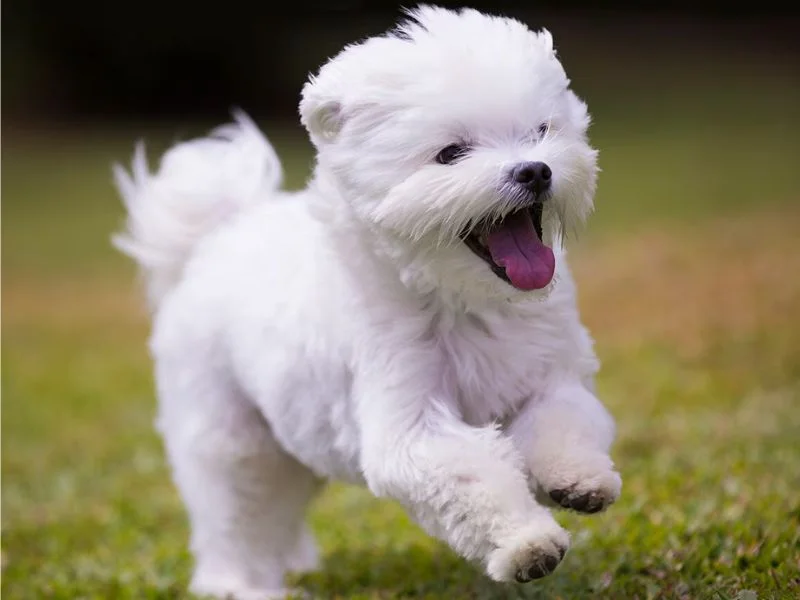
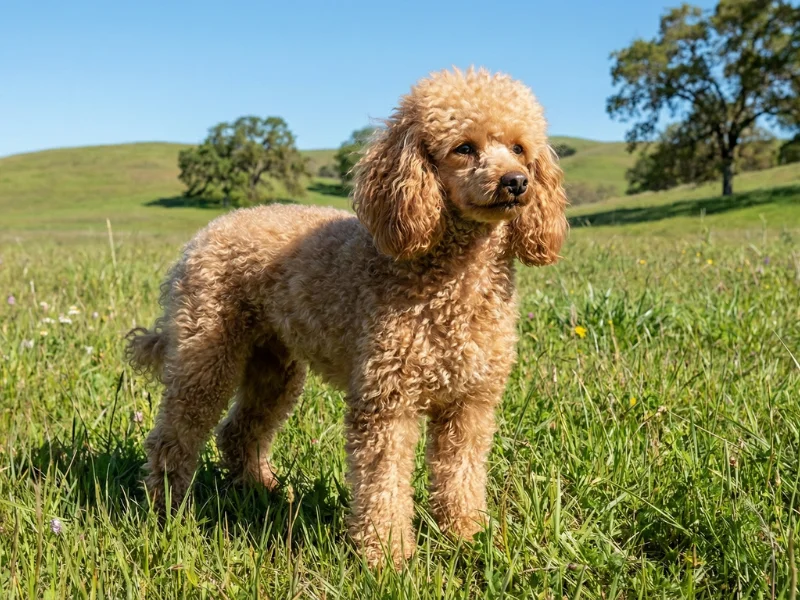
About this crossbreed
The Maltipoo represents a purposeful cross between the Maltese and the Toy or Miniature Poodle, first developed in the United States during the 1980s-1990s.
The goal was to combine the best of both worlds: the legendary gentle nature and easy-going temperament of the Maltese, paired with the remarkable intelligence and hypoallergenic coat of the Poodle. This harmonious pairing produces puppies with balanced temperaments, ideal for novice owners.
The traits of the parent breeds manifest variably among individuals. Some Maltipoos inherit more of the Poodle's facial structure with a longer muzzle, while others display the characteristic round head of the Maltese.
The coat generally combines the Poodle's curls with the silky texture of the Maltese. Genetic stability remains unpredictable beyond the second generation, which is why reputable breeders favor direct crosses between the two parent breeds.
Although not recognized by the Fédération Cynologique Internationale or traditional registries, our FBKC club officially recognizes this promising hybrid breed. We value responsible canine innovation and offer breeders the opportunity to register their Maltipoos with a four-generation pedigree.
Other Non-FCI Recognised Breeds
Discover other breeds not officially recognised by the FCI