
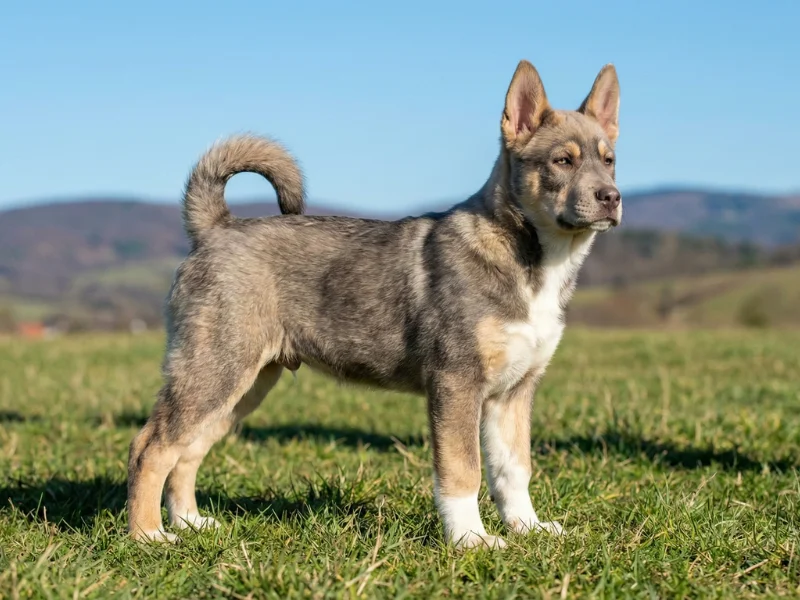
Siberian Corso
Other names: Siberian Corso, Cane Corsky, Husky Corso, Cane Sibérien
The Siberian Corso is a crossbreed that defies canine conventions, combining the power of the Italian mastiff with the elegance of the Nordic dog. This hybrid breed impresses with its athletic and muscular stature, reaching 60 to 75 cm at the withers with a weight ranging between 35 and 50 kg.
Its co... Read more
Are you a breeder or owner of a Siberian Corso?
Create your free account and request your dog's pedigree in just a few clicks. Use our tools to manage your kennel and select your breeding stock in the best conditions.
Are you a breeder or owner of a Siberian Corso?
Create your free account, manage your kennel and pedigree requests with our tools.
Create my accountHistory & Origin
T he Siberian Corso represents a recent creation in the world of hybrid breeds, born from the desire to combine the complementary qualities of two exceptional ancestral lineages.
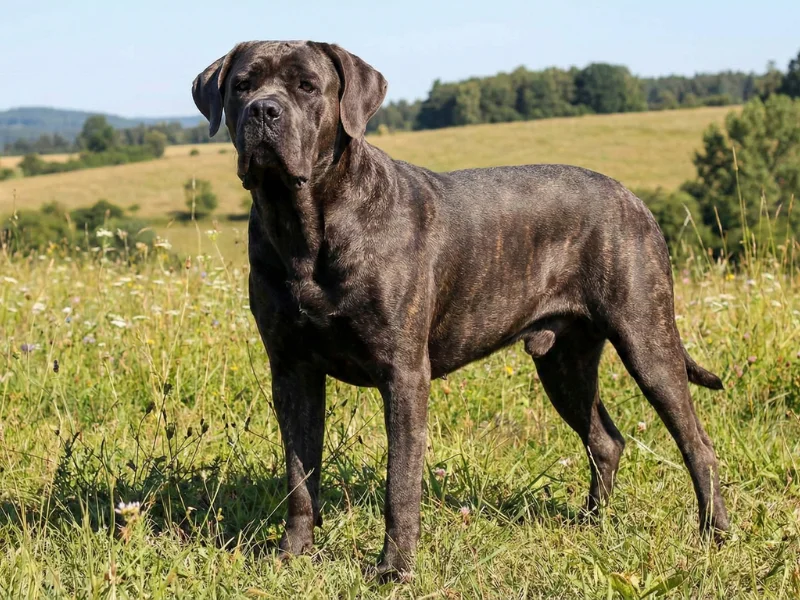
On one side, the Cane Corso traces its roots to Roman antiquity, a direct descendant of the Greek molossers used as war and guard dogs throughout the Roman Empire.
On the other side, the Siberian Husky finds its origin among the Chukchi people of eastern Siberia, who developed this breed more than 3,000 years ago to pull sleds in extreme Arctic conditions.
These two parent breeds have thus traversed the centuries perfecting their respective abilities: protection and work for the Corso, endurance and companionship for the Husky.
The cross between these two breeds emerged over the past few decades, primarily in North America, driven by breeders seeking to create a dog combining the robustness of the Italian molosser with the energy and sociability of the Nordic dog.
Unlike its parent breeds recognized by official kennel club organizations, the Siberian Corso remains a non-standardized hybrid.
This lack of official recognition paradoxically offers breeders a certain freedom, allowing for diversity in breed characteristics. Each litter may reveal interesting variations in appearance and temperament, while retaining the fundamental qualities inherited from both lineages.
Today, the Siberian Corso is steadily gaining popularity among active families seeking a loyal, protective, and energetic companion.
We offer the opportunity to register your Siberian Corso with our club, a modern alternative to traditional organizations, with greater freedoms for breeders and innovative breeding management tools.
Description
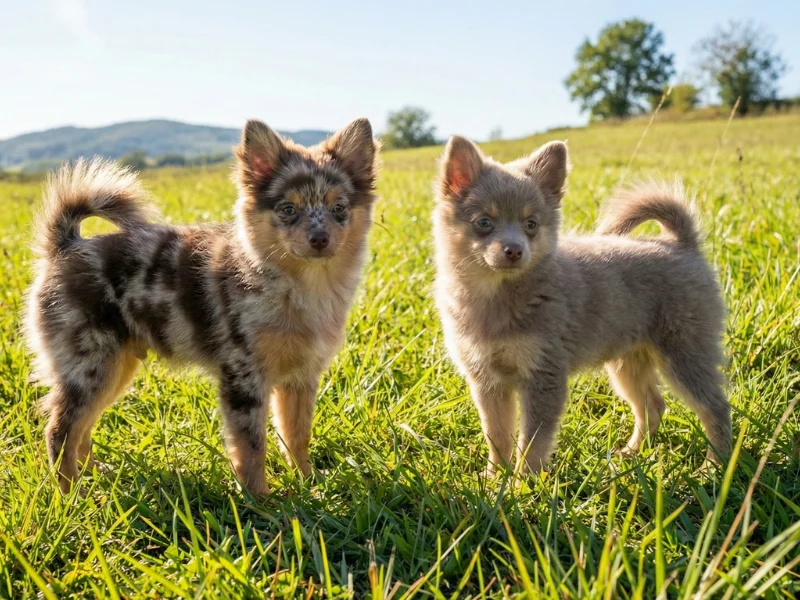
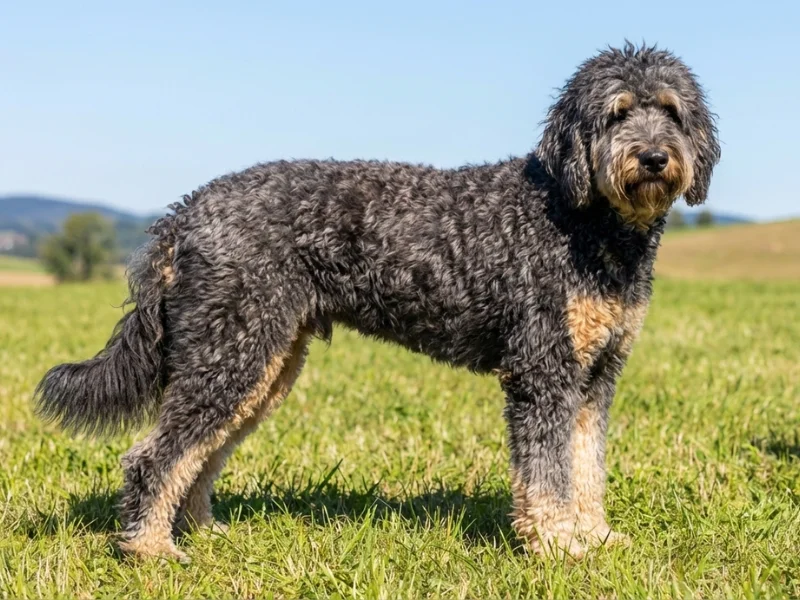
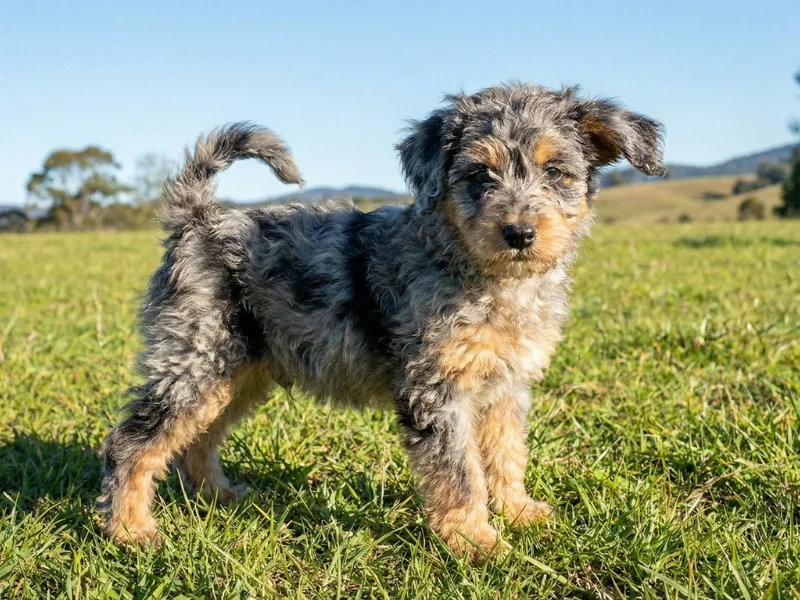
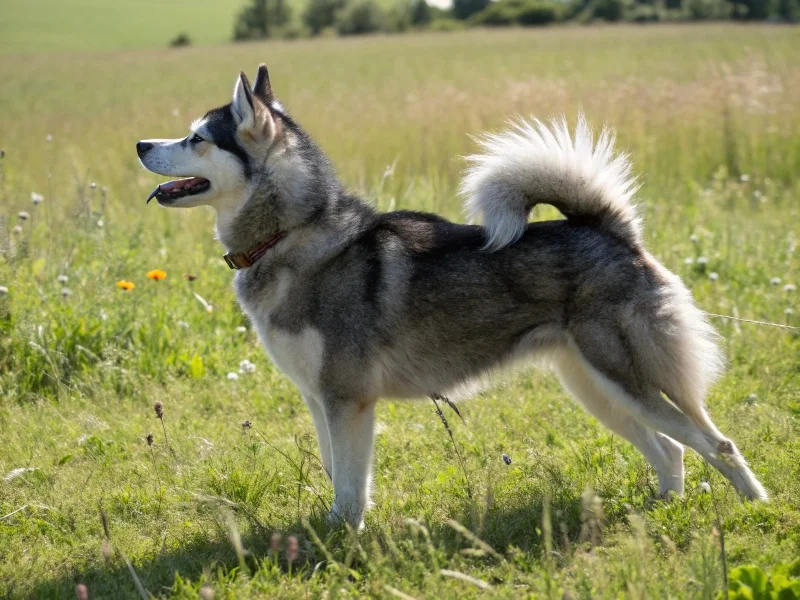
T he Siberian Corso is a crossbreed that defies canine conventions, combining the power of the Italian mastiff with the elegance of the Nordic dog. This hybrid breed impresses with its athletic and muscular stature, reaching 60 to 75 cm at the withers with a weight ranging between 35 and 50 kg.
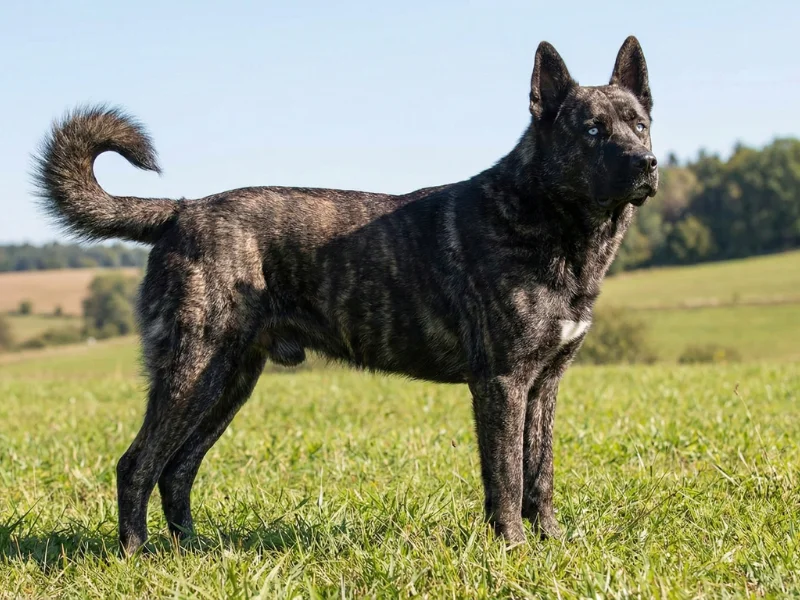
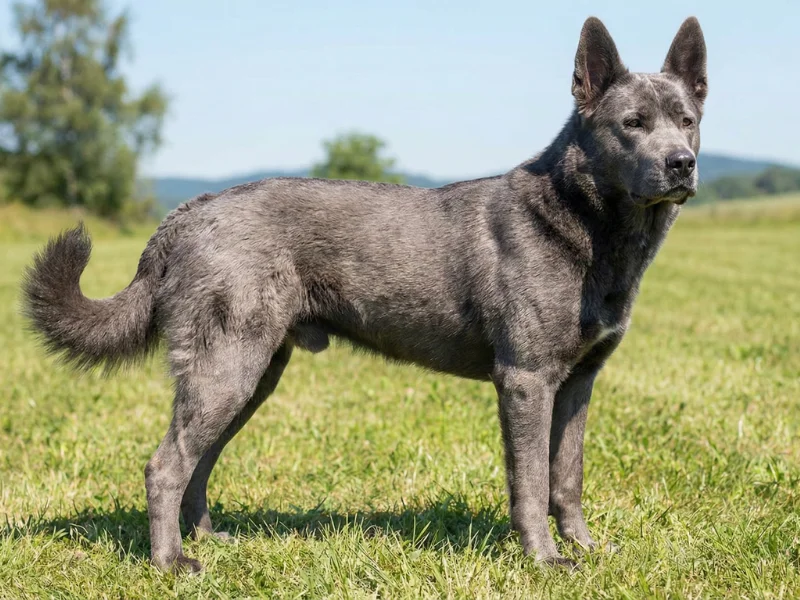
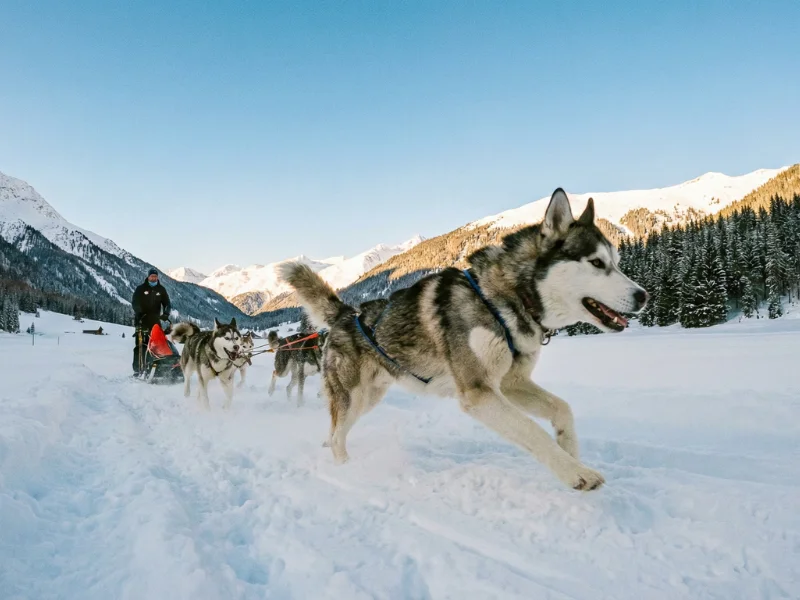
Its coat is one of its most striking characteristics: a dense double coat inherited from the Siberian Husky, featuring a thick undercoat and a medium-length outer coat.
Coat colors range from deep black to silver gray, including fawn, often enhanced with white markings. Its eyes, sometimes a piercing blue inherited from the Nordic parent, may also display amber shades or even heterochromia, creating a mesmerizing gaze.
The powerful head recalls that of the Cane Corso, with well-developed jaws and ears that may be erect or semi-erect.
Its compact and well-proportioned body conveys an impression of controlled strength, while its tail, carried high or plumed, reveals its Nordic origins.
Beyond its imposing appearance, the Siberian Corso displays a balanced temperament. Intelligent and devoted, it shows deep loyalty toward its family while retaining the playful spirit of the Husky.
This affectionate companion is gentle with children, although its size requires supervision, and makes an excellent guardian thanks to its natural protective instinct.
Personality
T he Siberian Corso displays a well-balanced and endearing personality, blending the protective loyalty of the Cane Corso with the outgoing nature of the Husky.
Intelligent and responsive, this breed learns quickly and proves particularly devoted to its family. The playful disposition inherited from its Nordic parent tempers its guardian instincts, resulting in a companion that is both watchful and affectionate.
With children he knows, he demonstrates remarkable patience, although his size warrants supervision during interactions.
His natural sociability generally makes him friendly toward visitors once proper introductions have been made.
Some individuals may exhibit an independent streak typical of the Husky, requiring consistency and patience in training. This energetic companion enjoys play sessions as much as quiet moments spent alongside his favorite humans.
Photo Gallery


Breed Characteristics
General Information
- Category: Approval
- Origin: United States
- FCI Recognition: No
- Est. monthly upkeep: 100-150
- Daily exercise: 90 minutes
Key Facts
- Height: 55.00 to 75.00 cm
- Weight: 25.00 to 50.00 kg
- Life expectancy: 10 to 12 years
- Average price: 800.00 to 2500.00 €
-
Grooming frequency:7/10
Training Tips
Training ideally begins as soon as the puppy arrives home, around 8 weeks of age, with an emphasis on positive reinforcement. This intelligent dog responds better to gentle, consistent methods than to coercion. Early socialization with various people, animals, and environments develops a well-balanced adult. Short, varied training sessions maintain his attention and motivation. His potentially stubborn streak inherited from the Husky requires patience and perseverance.
Health & Common Conditions
General Health
The Siberian Corso generally benefits from a robust constitution inherited from both parent lines, renowned for their hardiness.
Hybridization often brings what is known as hybrid vigor, potentially offering better health than some purebred breeds. Its tolerance to varying temperatures is a valuable asset.
Regular veterinary check-ups help monitor common concerns associated with large breeds. A balanced diet suited to its activity level, combined with adequate daily exercise, promotes overall well-being.
Annual examinations including joint and ophthalmological evaluations allow for early detection of potential issues. With appropriate preventive care, this athletic companion fully enjoys its years by your side.
Common Conditions
Like all large breeds, the Siberian Corso may be predisposed to hip and elbow dysplasia, inherited from both parent breeds. Pre-breeding screening radiographs help limit this transmission.
Eye disorders, particularly hereditary cataracts from the Husky side, warrant regular monitoring.
Some individuals may develop dermatological issues related to their dense coat, particularly if grooming is not thorough.
Gastric bloat, a known concern in large, deep-chested dogs, requires divided meals and rest after feeding.
Fortunately, attentive veterinary care and appropriate health testing allow for effective management of these potential concerns.
Care & Living Environment
Daily Care
The Siberian Corso's dense coat requires regular brushing, ideally three times per week, to remove dead hair and maintain shine.
During seasonal shedding periods, daily brushing becomes necessary to manage the heavy undercoat loss inherited from the Nordic parent.
Nails require monthly trimming, unless activity on hard surfaces wears them down naturally. Cleaning the ears every two weeks prevents infections, particularly in individuals with semi-drop ears.
Weekly tooth brushing helps prevent tartar buildup. Baths remain occasional, every two to three months, as the coat possesses natural self-cleaning properties.
During summer, special attention should be given to preventing overheating in this well-coated breed.
Recommended Living Environment
A house with a fenced yard provides the ideal environment for this energetic companion, offering the space needed to expend energy.
The fence must be tall and sturdy, as some individuals inherit the Husky's escape artist tendencies. Apartment living remains feasible for very active owners, provided extended daily outings are guaranteed.
His tolerance for various climates makes him adaptable, though he particularly enjoys cooler temperatures thanks to his Nordic coat.
Recommended Activities
Tracking and search games stimulate its intelligence and scenting ability. Dog agility positively channels its boundless energy.
Swimming sessions provide a complete workout particularly appreciated during summer months. Daily interactive games strengthen the bond with its family while keeping it mentally alert.
Frequently Asked Questions
The Siberian Corso makes a wonderful family companion thanks to its well-balanced temperament. It displays great loyalty toward all household members and is particularly patient with children it knows. Its protective nature inherited from the Cane Corso makes it a vigilant guardian without excessive aggression. However, its imposing size and boundless energy require an active family capable of providing daily exercise and mental stimulation. With early socialization and consistent training, it integrates perfectly into a loving home.
The Siberian Corso displays an average life expectancy between 10 and 13 years, similar to that of its parent breeds. This longevity depends largely on the quality of care provided, including proper nutrition, regular exercise, and preventive veterinary checkups. Dogs from parents tested for hereditary diseases generally exhibit better health. Maintaining optimal weight and preventing joint problems contribute to extending its years of good health. An active lifestyle also promotes its vitality.
Yes, the Siberian Corso experiences significant shedding, particularly during the two annual seasonal molts inherited from the Siberian Husky. During these periods in spring and autumn, its thick undercoat is completely renewed, requiring daily brushing to manage the impressive amount of hair lost. The rest of the year, brushing three times a week is sufficient to keep its coat in good condition. This regular grooming routine considerably reduces hair in the house. Owners should plan for this aspect before adoption.
A Siberian Corso puppy typically ranges between 1000 and 2500 euros depending on several factors. Prices vary according to the breeder's reputation, health testing performed on the parents, lineage, and geographic region. As a hybrid breed without official recognition, prices remain more accessible than those for purebred dogs. Some shelters occasionally offer Siberian Corsos for adoption at reduced fees. The initial cost represents only a portion of the investment, as monthly maintenance reaches 100 to 150 euros including food, veterinary care, and activities.
The Siberian Corso's adaptation to apartment living remains possible but demanding. Its large size and high energy level mean it clearly prefers a home with a securely fenced yard. In an apartment setting, this breed requires a highly active owner committed to providing 1.5 to 2 hours of vigorous daily exercise. Without sufficient physical outlet, the breed may develop destructive behaviors or anxiety. Frequent outings become non-negotiable. A spacious environment greatly facilitates the breed's overall well-being. Prospective urban owners must honestly assess their availability before committing to ownership.
Expert Rating
Overall rating for the Siberian Corso
This overall rating is calculated from 7 key criteria: activity level, trainability, guarding ability, child and animal friendliness, grooming frequency and barking level.
Activity level
Trainability
Sociability
Guarding ability
Parent Breeds
Discover the breeds that make up the Siberian Corso
About this crossbreed
The Siberian Corso represents a first-generation cross (F1) between the Italian Cane Corso and the Siberian Husky, two breeds with complementary temperaments.
Through this cross, breeders seek to produce a dog combining the protective strength and loyalty of the mastiff with the endurance, sociability, and energy of the Nordic breed.
This hybridization generally produces large dogs with an impressive physique, with variability in appearance depending on the dominant inherited traits.
The coat may range from medium to medium-long length, often denser than that of the Cane Corso due to the Husky's undercoat. Colors include black, gray, fawn, and their combinations with white markings.
Unlike purebred breeds, the Siberian Corso is not currently recognized by the FCI. This lack of standardization means that each litter may exhibit notable variations in size, appearance, and temperament.
Responsible breeding emphasizes the selection of parents tested for common health issues, aiming to produce puppies that are balanced both physically and mentally.
Other Non-FCI Recognised Breeds
Discover other breeds not officially recognised by the FCI